
British patrol ship fires 120 rounds in Falklands drill amid Argentina row
 By Rohan SalujaGeopolitics Editor, Peepals Global

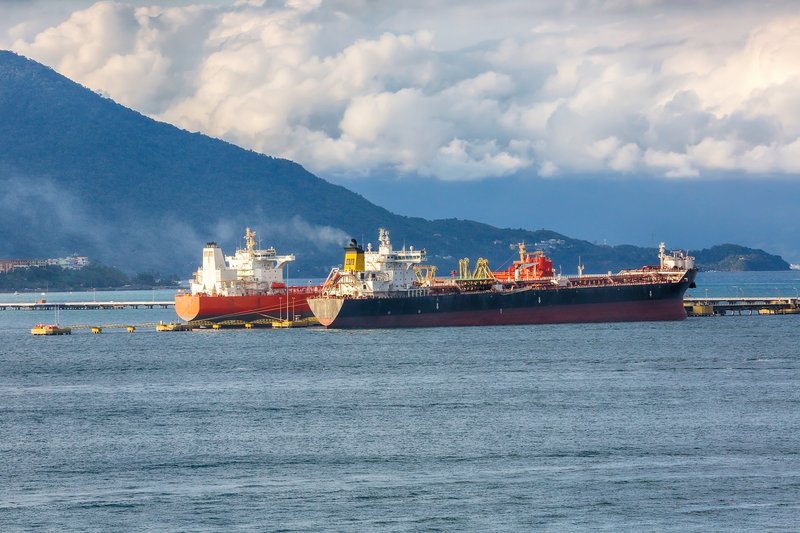
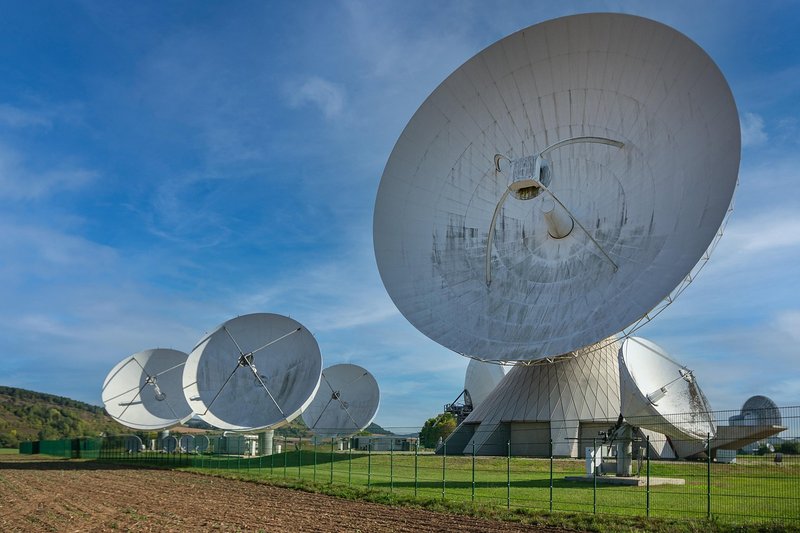
Representative image: Pezibear / Pixabay
British patrol ship HMS Medway fired 120 rounds off the Falklands on 2 November 2026 in a training drill, days before a UN sea-law hearing on oil.
What Happened
A British Royal Navy patrol ship, HMS Medway, fired 120 rounds from its 30mm automatic cannon in waters off the Falkland Islands on Monday, 2 November 2026, in what reports describe as a live-fire training exercise. The crew marked the drill on social media with the words "120 rounds downrange". Headlines saying a "British patrol ship opens fire" spread quickly in the United Kingdom, but the firing was part of trials to certify the crew for front-line duty, and no report says it was aimed at any Argentine ship or aircraft. It came at a tense moment: Argentina's president Javier Milei has said he wants to "recover" the islands, and Argentina's legal challenge to a British-licensed oil project north of the Falklands is due to be heard by a UN sea-law tribunal on 10 and 11 November.
Key Facts
- Ship: HMS Medway, a Royal Navy offshore patrol vessel operating off the Falklands.
- Firing: 120 rounds from the ship's main 30mm cannon on 2 November 2026, during sea trials to certify the crew for front-line operations.
- British description: the exercise was described as "an essential visible deterrent".
- No clash: reports describe a training exercise; none reports fire directed at Argentine forces or vessels.
- Legal fight: Argentina filed a request on 13 October asking the International Tribunal for the Law of the Sea (ITLOS) to order the UK to stop oil exploitation by the Sea Lion project.
- Hearing: ITLOS will hold a public hearing in Hamburg on 10 and 11 November 2026.
- Oil at stake: the Sea Lion field, a British-Israeli joint venture, is estimated to contain about 1.7 billion barrels.
Why It Matters
The Falklands, a British overseas territory in the South Atlantic that Argentina calls the Malvinas, have been disputed for nearly two centuries. Britain and Argentina fought a war over them in 1982 after Argentine forces invaded; Britain retook the islands. Since then Britain has kept a garrison and a small naval presence there, while Argentina has continued to press its claim through diplomacy and international forums.
A patrol ship firing its gun in a drill is routine for any navy; crews have to prove they can operate their weapons before deployment. What made Monday's firing news is the setting. Tension has risen through 2026. Milei said last month that he was willing to "move quickly" to recover them, and an analysis in the regional press suggested he could use the oil dispute in Argentina's 2027 election campaign. In that atmosphere, a gun drill in Falklands waters reads as a message, and the British description of it as a "visible deterrent" makes that message plain.
The legal case is the more concrete front. Argentina is not asking the tribunal to decide who owns the islands. Its request is narrower: it wants ITLOS to order provisional measures that would stop the start or continuation of oil production from the Sea Lion development in the North Falklands basin, until a full arbitral tribunal can hear the case. The request relies on Article 290(5) of the United Nations Convention on the Law of the Sea, which lets ITLOS order temporary steps when a dispute is urgent and an arbitral tribunal would appear to have jurisdiction. Setting a hearing date does not suspend the project.
For readers in India, the case is worth following for a wider reason: sea-law bodies such as ITLOS are increasingly being asked to settle quarrels over offshore resources, and their rulings shape how coastal states everywhere, India included, manage oil, gas and fishing rights in their waters.
Peepals timeline: In September 2026, Milei promised to take Argentina's objection to the Sea Lion project to the sea-law tribunal. On 13 October, Argentina filed its request with ITLOS. On 21 October, the tribunal set a public hearing for 10 and 11 November. In October, Milei said he was ready to "move quickly" to recover the islands. On 2 November, HMS Medway carried out its 120-round live-fire drill off the Falklands.
Impact
Short-term: The drill is likely to draw a diplomatic reaction from Buenos Aires and will be read in both countries alongside the approaching tribunal hearing.
Long-term: If ITLOS orders provisional measures, the Sea Lion oil project could face delays and investors could face added legal risk. If it declines, Britain's position on resource development around the islands is strengthened, though the full arbitration would still follow.
Who is affected: Falkland Islanders, whose economy could gain from oil revenue; the British and Argentine governments; the companies behind the Sea Lion project; and investors in South Atlantic energy.
What to watch next: The ITLOS public hearing in Hamburg on 10 and 11 November 2026.
Key Takeaway
HMS Medway's 120-round firing off the Falklands was a training drill, not a clash, but it comes as Argentina's legal bid to halt the Sea Lion oil project heads to a UN sea-law tribunal on 10 and 11 November.
Questions and Answers
Did a British patrol ship open fire on Argentina near the Falklands?
No report says so. HMS Medway fired 120 rounds from its 30mm cannon on 2 November 2026 during a live-fire training exercise to certify its crew, which Britain described as a visible deterrent.
Why are Britain and Argentina at odds over the Falklands now?
Argentina claims the islands, which it calls the Malvinas, and President Javier Milei has said he wants to recover them. Argentina is also challenging a British-licensed oil project, Sea Lion, north of the islands.
What is the ITLOS hearing on 10 and 11 November about?
Argentina has asked the International Tribunal for the Law of the Sea to order provisional measures stopping oil exploitation by the Sea Lion project until an arbitral tribunal hears the full case. It is not being asked to decide sovereignty.
Has the Sea Lion oil project been halted?
No. Scheduling the hearing does not suspend the project; only an order from the tribunal could do that.
Disclaimer: Prepared by the Peepals newsroom from publicly available sources with AI assistance. Information is accurate to the best of our knowledge at the time of publication and may change. Images may be representative. Not professional advice. Report an error via our contact page.
By Rohan Saluja, Geopolitics EditorCovers Geopolitics and more for Peepals Global. All stories by Rohan Saluja
Elizabeth Holmes documentary tops US box office, a first since 2004
Rhys Ifans, Laura Linney's Parkinson's film Onwards and Sideways opens November 6
Get the day's stories in your inbox
Peepals Weekly: the week decoded, free. One email a week, unsubscribe in one click.
Rohan Saluja is a pen name of the Peepals Global Editorial Team, which researches, fact-checks and publishes every story. The portrait is an illustration.