
Florida charges Raúl Castro with murder conspiracy over 1996 shootdown
Representative image: QuinceCreative / Pixabay
Florida announced on October 19, 2026 a no-bond warrant charging Cuba's former president Raúl Castro over the 1996 Brothers to the Rescue shootdown.
What Happened
Florida has obtained a state arrest warrant for Raúl Castro, the former president of Cuba, charging him with conspiracy to commit first-degree murder over the 1996 shooting down of two civilian planes flown by the Miami exile group Brothers to the Rescue. Florida Attorney General James Uthmeier announced the charge on Monday, October 19, 2026, at Florida International University in Miami. The no-bond warrant was signed by Chief Judge Ariana Fajardo Orshan of Miami-Dade's 11th Judicial Circuit, according to the attorney general's office.
Key Facts
- Raúl Castro faces a Florida state charge of conspiracy to commit first-degree murder; the warrant allows no bond.
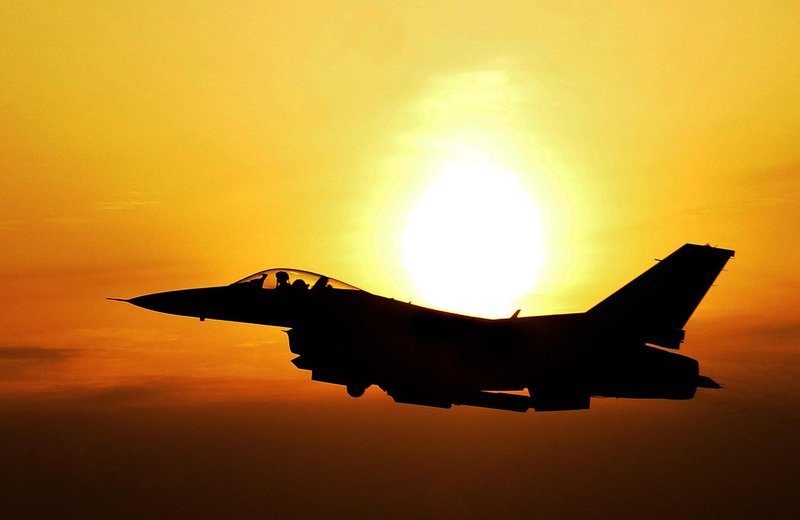
- The charge relates to the 1996 downing of two Brothers to the Rescue planes, in which four members of the group were killed.
- Florida Attorney General James Uthmeier announced the warrant on October 19, 2026; it was secured by his Office of Statewide Prosecution and the Florida Department of Law Enforcement.
- The state's affidavit says two Cuban agents infiltrated Brothers to the Rescue, watched a naval air base in Key West and passed details of the group's flights to Cuban authorities.
- Prosecutors say Castro was a senior decision-maker in the chain of command that authorised the attack.
- The warrant lets Florida seek Castro's extradition if he is found outside the state.
- The case is separate from a United States federal indictment returned on May 20, 2026, which includes four counts of murder, two of destroying aircraft and conspiracy to kill US nationals.
Why It Matters
The shooting down of the Brothers to the Rescue planes has been one of the most painful issues between the United States and Cuba for three decades. Two of the Miami-based exile group's civilian planes were shot down in 1996, and four of its members were killed. For the families of those killed and for much of Miami's Cuban American community, the absence of any trial has been a lasting grievance.
A state charge adds to the pressure that began with the federal indictment in May. Both are largely symbolic for now. Castro lives in Cuba, beyond the reach of US authorities, so an arrest would only be possible if he travelled somewhere he could be detained. Critics in Florida called Monday's announcement political theatre that would have little practical effect. State officials answered that the investigation is still open and that more charges could follow.
The case also shows a US state acting on an issue of foreign policy. By bringing its own charge alongside the federal one, Florida is signalling that it intends to keep the case alive whatever happens in Washington, and that any future change in US-Cuba relations will have to reckon with the shootdown.
The story has no direct India link. It matters as a sign of how US politics shapes relations with Cuba: the announcement came from a Florida official at a public event in Miami, home to a large Cuban American community, and a little over two weeks before the US midterm elections on November 3.
The two cases against Raúl Castro Case | Filed by | Main charges Federal indictment, May 20, 2026 | United States government | four counts of murder, two of destroying aircraft, conspiracy to kill US nationals State warrant, announced October 19, 2026 | State of Florida | conspiracy to commit first-degree murder
Impact
Short-term: The warrant is unlikely to lead to an arrest, since Castro is in Cuba. It will keep the shootdown in the news ahead of the US midterm elections, and it adds another irritant to relations between Washington and Havana.
Long-term: Two separate sets of charges mean that Castro, and possibly others named in future, would face prosecution if they ever came within reach of US authorities. The case may also become a precedent for states bringing their own charges in cases with foreign policy weight.
Who is affected: The families of the four men killed in 1996, the Cuban exile community in Florida, the Cuban government, and the US federal and Florida state authorities who will have to manage two parallel cases.
Key Takeaway
Florida has charged former Cuban president Raúl Castro with conspiracy to commit first-degree murder over the 1996 Brothers to the Rescue shootdown, adding a state case to the federal indictment of May 2026, though an arrest is unlikely while he remains in Cuba.
Questions and Answers
Why does Raúl Castro have an arrest warrant in Florida?
A Miami-Dade judge signed a no-bond warrant charging him with conspiracy to commit first-degree murder over the 1996 downing of two Brothers to the Rescue planes, in which four people died. Florida's attorney general announced it on October 19, 2026.
What do Florida prosecutors say happened?
According to the state's affidavit, two Cuban agents infiltrated Brothers to the Rescue, watched a naval air base in Key West and passed details of the group's flights to Cuban authorities. Prosecutors say Castro was a senior decision-maker in the chain of command that authorised the attack.
Is this the same as the US federal case against Raúl Castro?
No. The federal indictment, returned on May 20, 2026, includes four counts of murder, two counts of destroying aircraft and conspiracy to kill US nationals. Florida's charge is a separate state case.
Can Raúl Castro actually be arrested?
Only if he comes within reach of US authorities. He lives in Cuba, outside the reach of US authorities. The warrant allows Florida to seek his extradition if he is found outside the state.
Disclaimer: Prepared by the Peepals newsroom from publicly available sources with AI assistance. Information is accurate to the best of our knowledge at the time of publication and may change. Images may be representative. Not professional advice. Report an error via our contact page.
Sourced and fact-checked by the Peepals Global Editorial Team
Reported, fact-checked and published by the Peepals Global Editorial Team.