
Ukraine says US gave no warning of deadly strike; Rubio denies pause
Representative image: analogicus / Pixabay
Ukraine says it got no US warning before a Russian strike that killed six and cut power to 600,000; Rubio said on October 19 sharing never paused.
What Happened
A dispute has broken out between Kyiv and Washington over whether the United States held back warnings of a Russian missile attack that killed six people in Ukraine and cut power to about 600,000. Ukrainian President Volodymyr Zelensky said Ukraine "received no advance warning from our partners" before the first wave of strikes on Kyiv's power plants, and that intelligence sharing had been interrupted and later restored. US Secretary of State Marco Rubio rejected that account on October 19, 2026, saying there had been "no pause" in intelligence sharing with Ukraine.
Key Facts
- The Russian strikes on Kyiv's power plants and other energy sites killed six people and left about 600,000 people without power, according to reports.
- Zelensky said Ukraine got no advance warning from its partners before the first barrage; Ukraine's air force spokesperson said information did arrive before a later wave at 3 a.m.
- Zelensky said in a US television interview that intelligence sharing had been interrupted and then restored, and that the system now works.
- Multiple sources told a US broadcaster that the US may have deliberately withheld early warnings, and that US officials told Ukraine the missile-detection system had failed because of "bad weather".
- The same sources said the US had not stopped intelligence sharing with Ukraine overall and described the missing warning as a single incident.
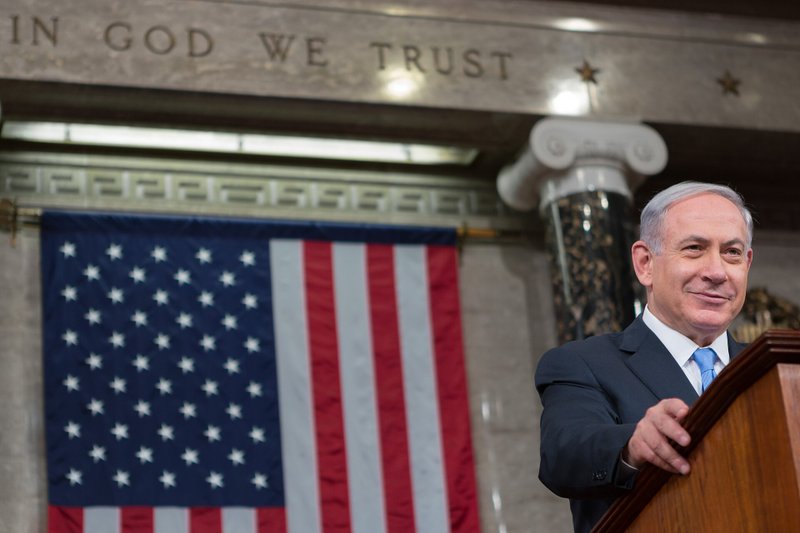
- Rubio said intelligence sharing never paused and that the military's European Command was looking into the strikes; President Donald Trump, asked if the US had stopped sharing intelligence, said, "No, we haven't."
- One source told the broadcaster the administration had threatened to halt intelligence sharing and weapons purchases unless Kyiv stopped deep strikes on Russian energy sites.
Why It Matters
Early warning of Russian missile launches is one of the most valuable things the United States gives Ukraine. US satellites and sensors can detect ballistic missiles as they are fired, and a few minutes' notice lets Ukraine sound air-raid alarms, move people to shelters and ready air defences. A missing warning can cost lives, which is why the question of whether it was a technical failure or a choice has become so serious.
The dispute also comes at a tense moment between Kyiv and Washington. Ukraine has been striking Russian refineries and energy sites, and reports say the US administration pressed Kyiv to stop. If warnings were held back to put pressure on Ukraine, it would mark a new way of using intelligence as leverage in the war. Washington denies any pause, and the official US explanation reported to Ukraine was bad weather. Ukrainian officials have questioned that explanation.
The episode shows how much Ukraine's defence depends on choices made in Washington. Russia's attacks on power stations and substations are aimed at leaving cities without electricity, heat and water as winter approaches. Without timely warnings, Ukraine has less chance to protect people and equipment.
For India, the story matters for two reasons. It is a reminder of how much a country fighting a war can depend on a partner's intelligence. And it comes on the same day that Rubio begins a visit to India, with talks in Mumbai with External Affairs Minister S. Jaishankar on trade, energy and defence. Russia's war, and energy supplies linked to it, are part of the wider background to those talks.
The claims and responses Who | What they said Volodymyr Zelensky | Ukraine got no advance warning before the first wave; intelligence sharing was interrupted, then restored Sources speaking to a US broadcaster | US may have deliberately withheld warnings; Ukraine was told of a "bad weather" failure Marco Rubio | There was "no pause" in intelligence sharing; European Command is looking into the strikes Donald Trump | Asked if the US had stopped sharing intelligence: "No, we haven't."
Impact
Short-term: The dispute is likely to sharpen tension between Kyiv and Washington as Russia keeps hitting Ukraine's energy system. Ukraine will press for assurances that warnings will not be interrupted again.
Long-term: If allies come to doubt that US intelligence will always be shared, they may invest more in their own early-warning systems or seek other partners. The case could also shape how Ukraine decides whether to keep striking Russian energy sites.
Who is affected: Ukrainian civilians who rely on air-raid warnings and power supplies, Ukraine's armed forces, the US government and its European allies, and countries such as India that follow how the US manages security partnerships.
Key Takeaway
Ukraine says it got no US warning before a Russian strike that killed six and cut power to about 600,000, while Secretary of State Marco Rubio insisted on October 19, 2026 that intelligence sharing never paused.
Questions and Answers
Did the US stop sharing intelligence with Ukraine?
The accounts differ. Zelensky said sharing was interrupted and later restored. Marco Rubio said on October 19, 2026 that there was "no pause", and Donald Trump said, "No, we haven't." Sources quoted by a US broadcaster said a warning may have been withheld in one case, while sharing continued overall.
What happened in the Russian strike on Kyiv's power plants?
Russian missiles hit Kyiv's power plants and other energy sites, killing six people and cutting power to about 600,000 people, according to reports. Ukraine says it had no warning before the first wave.
What reason did the US give Ukraine for the missing warning?
According to sources quoted by a US broadcaster, US officials told Ukraine that the missile-detection system failed because of "bad weather". Ukrainian officials have questioned that explanation.
Why does this matter for India?
It shows how much a country at war can depend on a partner's intelligence. It also coincides with Rubio's visit to India, which began on October 20, 2026.
Disclaimer: Prepared by the Peepals newsroom from publicly available sources with AI assistance. Information is accurate to the best of our knowledge at the time of publication and may change. Images may be representative. Not professional advice. Report an error via our contact page.
Sourced and fact-checked by the Peepals Global Editorial Team
Reported, fact-checked and published by the Peepals Global Editorial Team.