
UK to deploy RAF Typhoon jets to defend Saudi Arabia from Houthis
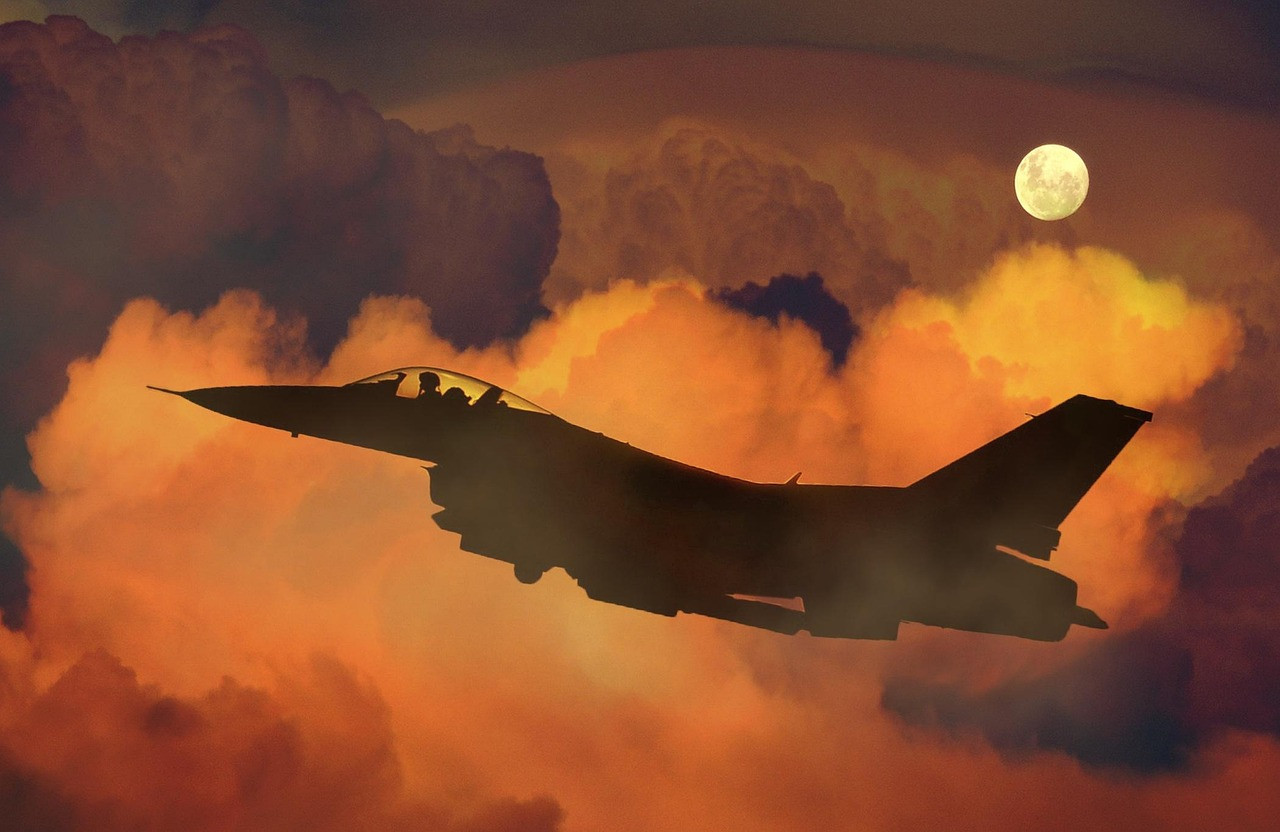
Representative image: ArtTower / Pixabay
Britain said on 20 October 2026 RAF Typhoons will fly defensive missions over Saudi Arabia against Houthi drones and missiles, but will not strike Yemen.
What Happened
Britain will send Royal Air Force (RAF) Typhoon fighter jets to fly defensive missions over Saudi Arabia, the UK Ministry of Defence said on Tuesday, 20 October 2026. The jets will help protect Saudi cities and critical infrastructure from drone and missile attacks by Yemen's Houthi movement but will not carry out offensive strikes on the Houthis, the ministry said. Defence Secretary Wes Streeting told Parliament in a written statement that the role would be "defensive counter-air operations over Saudi Arabia", approved after Houthi attacks that included a strike on Riyadh's airport.
Key Facts
- RAF Typhoon jets will fly defensive air patrols to help protect Saudi airspace from Houthi drones and missiles.
- The UK said the jets will not attack Houthi targets in Yemen; their job is to intercept incoming threats.
- Britain is also sending an Atlas A400M transport aircraft and military advisers.
- The move expands help announced in September, which included an RAF Voyager air-to-air refuelling aircraft but no fighter jets. The refuelling support for Saudi defensive operations has been extended by 90 days, according to reports of the ministry's statement.
- The support follows a request from the Saudi government. Prime Minister Andy Burnham said earlier in October that Britain was prepared to consider it.
- The ministry did not publicly say how many Typhoons will be deployed or where they will be based.
Why It Matters
This is a significant step for Britain. Until now its help to Saudi Arabia in the current conflict had been support from behind the lines, such as refuelling Saudi aircraft in the air. Sending its own fighter jets to patrol Saudi skies puts British pilots directly into the air-defence effort against an armed group that has been firing missiles and drones at Saudi cities. London has drawn a clear line, saying the jets will defend but not strike, which is meant to limit the risk of Britain being drawn into the war in Yemen itself.
The Houthis are an armed movement that controls much of northern Yemen, including the capital Sanaa, and are backed by Iran. Their attacks on Saudi Arabia this month, including on Riyadh's main airport, have disrupted flights and raised fears for the safety of civilians and of energy facilities in the world's largest oil-exporting region. Any lasting threat to Gulf airspace or oil infrastructure affects shipping, fuel prices and travel far beyond the region.
For India the stakes are direct and practical. Saudi Arabia is one of India's main sources of crude oil and home to a very large Indian workforce, and Indian airlines have suspended or cut flights to the kingdom during the attacks. Steps that strengthen Saudi air defences could, if they work, help restore normal flights and calm energy markets. At the same time, more foreign military involvement can also signal that the conflict is not ending soon, which matters for Indian workers, families and businesses with ties to the Gulf.
| Item | Detail |
|---|---|
| Announced | 20 October 2026, UK Ministry of Defence |
| Aircraft | RAF Typhoon fighters, plus an A400M transport aircraft |
| Earlier help | RAF Voyager refuelling aircraft, announced in September |
| Role | Defensive counter-air only; no strikes on the Houthis |
| Reason given | Saudi request after Houthi attacks, including on Riyadh's airport |
Impact
Short-term: Saudi Arabia gains more fighter aircraft to intercept drones and missiles over its cities. The Houthis may treat British aircraft as a new target or use the deployment in their messaging, so the move also carries risk for UK forces.
Long-term: The deployment deepens Britain's military role in the Gulf and its defence ties with Riyadh. How long the jets stay will depend on whether Houthi attacks continue and whether any wider ceasefire emerges in the region.
Who is affected: People living in Saudi cities under threat, including many Indian and other foreign workers; British service personnel; airlines and travellers using Gulf routes; and oil markets, which react to any danger to Saudi energy facilities.
Key Takeaway
On 20 October 2026 Britain committed RAF Typhoon jets to defend Saudi Arabia against Houthi attacks, a defensive-only mission that nonetheless deepens its role in the Gulf conflict.
Questions and Answers
Why is the UK sending Typhoon jets to Saudi Arabia?
Saudi Arabia asked for more help after Houthi drone and missile attacks, including a strike on Riyadh's airport. The UK Ministry of Defence said on 20 October 2026 that RAF Typhoons will fly defensive missions to protect Saudi cities and infrastructure.
Will British jets attack the Houthis in Yemen?
No. The UK government said the Typhoons have a defensive role only, intercepting threats over Saudi Arabia, and will not carry out offensive strikes against the Houthis.
What other UK military support is going to Saudi Arabia?
Britain is also sending an Atlas A400M transport aircraft and military advisers. This adds to an RAF Voyager refuelling aircraft announced in September, whose support has been extended.
What does the UK jets deployment mean for India?
It does not involve India directly, but Saudi Arabia is a key oil supplier to India and home to many Indian workers. Stronger Saudi air defences could help flights and energy markets return to normal, while a longer conflict would keep risks high for Indians in the Gulf.
Disclaimer: Prepared by the Peepals newsroom from publicly available sources with AI assistance. Information is accurate to the best of our knowledge at the time of publication and may change. Images may be representative. Not professional advice. Report an error via our contact page.
Sourced and fact-checked by the Peepals Global Editorial Team
Reported, fact-checked and published by the Peepals Global Editorial Team.