
UK military satellite Titania reaches orbit, second eye in space after Tyche
 By Rohan SalujaGeopolitics Editor, Peepals Global

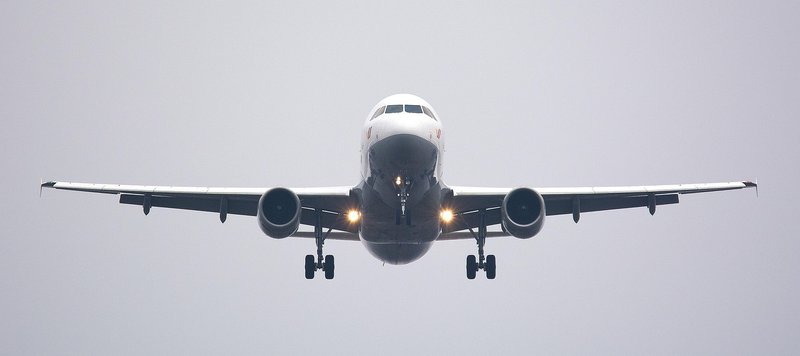
Representative image: geralt / Pixabay
Britain's Ministry of Defence said its Titania military observation satellite is in orbit, the second in a planned constellation run by UK Space Command, on 6-7 November 2026.
What Happened
Britain's Ministry of Defence has announced that Titania, a new military observation satellite, is in orbit and will be operated by UK Space Command. The announcement, made public on Friday, 6 November and Saturday, 7 November 2026, describes Titania as the second satellite in the United Kingdom's growing military constellation, after Tyche. It is part of a programme called ISTARI and will help the armed forces watch military activity on the ground. The ministry tied the launch to more than £3 billion of defence investment in space over the next four years. The Defence Secretary said the satellites would mean British forces "can see threats sooner, making the UK safer".
Key Facts
- Satellite: Titania, a military Earth-observation satellite.
- Operator: UK Space Command, under the ISTARI programme.
- Place in the fleet: the second satellite in the UK's military constellation, after Tyche.
- Size: about the size of a washing machine, roughly 100 kg.
- Orbit: travels at about 27,000 km/h and circles the Earth about every 90 minutes.
- Builders: designed and built in Hampshire by the Defence Science and Technology Laboratory (Dstl) and BAE Systems; one report puts the contract at £9.5 million.
- Wider plan: more than £3 billion of defence investment in space over four years, according to the ministry.
Why It Matters
The ISTARI programme is about giving UK commanders their own eyes in orbit, so that they can watch military activity in a crisis with satellites the country operates itself. The ministry presents Titania as a step towards that, and the Defence Secretary's words, that forces will see threats sooner, sum up the aim.
Titania is small. At around 100 kg, about the size of a washing machine, it is a small spacecraft. The idea behind using small satellites is to build a constellation: several of them, passing over the same area at different times, so that gaps in coverage shrink. With Tyche and now Titania, the UK has two in orbit, and the ministry calls the constellation "growing". Each satellite goes round the Earth roughly every 90 minutes, about 16 times a day.
The project also shows a shift in how Britain builds military hardware. Titania was designed and built in Hampshire by Dstl, the government's defence science laboratory, working with BAE Systems, rather than bought off the shelf from abroad. A small, home-built satellite at a reported contract value of £9.5 million suggests a cheaper, faster way to add capability, if it works as planned.
There are limits. An analysis of the programme notes that while Titania is in orbit, the full observation and protection system set out under ISTARI still depends on spacecraft that are only planned. Two satellites do not yet give constant coverage of any one place.
For Indian readers following defence and space, Titania is an example of a medium power putting small, home-built satellites at the centre of its military space plans.
Peepals calculation: A satellite that circles the Earth every 90 minutes completes 16 orbits a day (24 × 60 / 90 = 16). At about 27,000 km/h, it covers roughly 648,000 km in 24 hours (27,000 × 24 = 648,000). Our calculation from the reported figures.
| Item | Detail |
|---|---|
| Satellite | Titania |
| Operator | UK Space Command (ISTARI programme) |
| Mass | About 100 kg |
| Speed | About 27,000 km/h |
| Orbit time | About 90 minutes |
| Builders | Dstl and BAE Systems, Hampshire |
Impact
Short-term: Titania will be tested and brought into service by UK Space Command, adding to the imagery available from Tyche.
Long-term: If the planned spacecraft follow, the UK will have a constellation that can watch areas of interest more often and with less dependence on allies, backed by the £3 billion space investment the ministry describes.
Who is affected: UK armed forces and their allies, defence companies building small satellites, and countries watching how medium powers develop their own space surveillance.
Key Takeaway
Britain's Titania, a 100 kg military observation satellite built by Dstl and BAE Systems, is now in orbit as the second satellite in a planned UK Space Command constellation.
Questions and Answers
What is the UK military satellite Titania?
Titania is a small military observation satellite of about 100 kg, built by Dstl and BAE Systems and operated by UK Space Command under the ISTARI programme. It helps the armed forces watch military activity on the ground.
Is Titania the UK's first military satellite?
No. The Ministry of Defence describes it as the second satellite in the UK's growing military constellation, after Tyche.
How fast does Titania travel?
About 27,000 km/h, circling the Earth roughly every 90 minutes, according to the ministry.
How much is the UK investing in military space?
The ministry tied the launch to more than £3 billion of defence investment in space over the next four years.
Disclaimer: Prepared by the Peepals newsroom from publicly available sources with AI assistance. Information is accurate to the best of our knowledge at the time of publication and may change. Images may be representative. Not professional advice. Report an error via our contact page.
By Rohan Saluja, Geopolitics EditorCovers Geopolitics and more for Peepals Global. All stories by Rohan Saluja
Abu Dhabi T10 2026 begins: six teams, 30 games, final on November 20
Off Campus season 2 release date: Prime Video sets April 28, 2027
Get the day's stories in your inbox
Peepals Weekly: the week decoded, free. One email a week, unsubscribe in one click.
Rohan Saluja is a pen name of the Peepals Global Editorial Team, which researches, fact-checks and publishes every story. The portrait is an illustration.