
China calls PNG 'artillery shell' a wine bottle; police report disagrees
 By Rohan SalujaGeopolitics Editor, Peepals Global
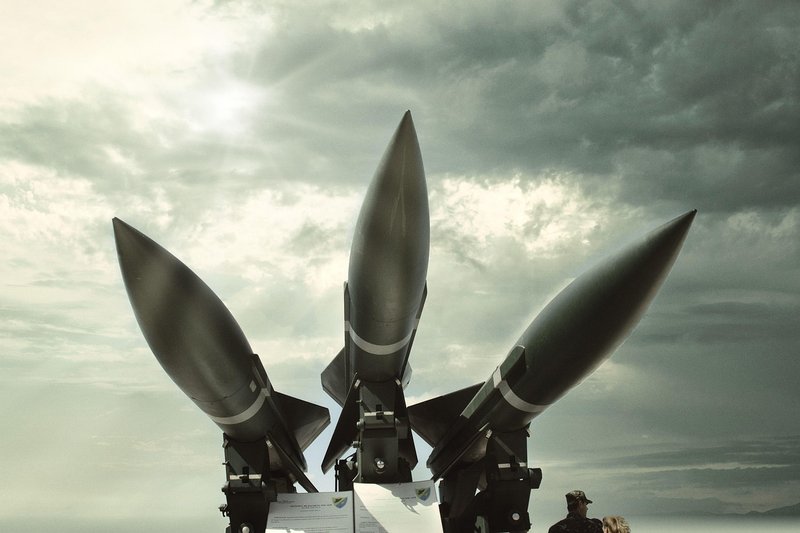
Representative image: Peter_Lindenau / Pixabay
China's embassy says a 32kg object found in Port Moresby is a shell-shaped wine bottle, while a PNG police report reportedly calls it a 130mm artillery round.
What Happened
China's embassy in Papua New Guinea has rejected reports that a suspected Chinese artillery shell was found in the capital, Port Moresby, saying the object is a decorative wine bottle in the shape of a shell that "poses no danger". The embassy made the claim on social media in early November 2026, after four Chinese nationals were arrested on Friday, 30 October 2026, over the 32-kilogram object. Australia's public broadcaster, citing high-level sources, reported that a police report finalised on Tuesday, 3 November 2026, identified the item as an undetonated 130mm Chinese Type 59 artillery projectile containing chemical explosives and a fuse. The police investigation is still open, and no official finding has been published.
Key Facts
- The object weighs about 32 kilograms and was reportedly found in a shipping container at a wharf in Port Moresby; some early reports described the site as a construction site.
- Four Chinese nationals were detained on Friday, 30 October 2026, and were reported to remain in custody in Port Moresby.
- According to reports citing the police report, the item is an undetonated 130mm Type 59 artillery projectile with chemical explosives and a fuse.
- The object was examined with an X-ray machine that Australia had donated to the Royal Papua New Guinea Constabulary, according to the same reports.
- The Chinese embassy said a company linked to the case carried out an "on-site verification" and found a shell-shaped wine bottle.
- The embassy also argued that smuggling a military-grade shell out of China to Papua New Guinea would be virtually impossible, and said it was waiting for the police findings.
- Police Commissioner David Manning was reported as calling the find "a very concerning discovery" and said the area was quickly secured.
Why It Matters
The dispute is small in size but sensitive in setting. Papua New Guinea is the largest of the Pacific island nations and sits just north of Australia. Both China and Australia court it closely, with aid, policing help and infrastructure. When a Chinese company, Chinese nationals and a possible Chinese-made munition appear in the same police case, the way each government talks about it is closely watched across the region.
The two accounts cannot both be right. The embassy describes a harmless novelty item; the police report, as described by sources to Australian media, describes live ordnance. A Type 59 130mm round is a field artillery shell, not something that should pass through a commercial wharf. Until the police publish their findings, the facts that are on the public record are limited to the arrests, the weight of the object, the statements of the police commissioner and the embassy's post.
The embassy's explanation drew wide ridicule on social media, with users asking what kind of wine bottle weighs 32 kilograms. That reaction matters for China's public image in the Pacific, where it has worked to present itself as a development partner. A firm police finding either way would settle the question; a long silence would leave room for speculation on both sides.
There is also an Australian thread. The X-ray machine that reportedly identified the object was donated by Australia, which has stepped up its support for policing in Papua New Guinea. That detail shows how security assistance from one partner can shape how an incident involving another partner is handled and reported.
Peepals timeline: Friday, 30 October 2026 - the object is found and four Chinese nationals are detained in Port Moresby. Tuesday, 3 November 2026 - a police report describing a 130mm Type 59 artillery projectile is finalised and handed to investigators, according to sources quoted by Australian media. Early November 2026 - the Chinese embassy posts that the object is a shell-shaped wine bottle and that it is awaiting the police findings. Wednesday, 4 November 2026 - the official investigation is still under way.
Impact
Short-term: The four Chinese nationals remain in custody while investigators work on the case. The embassy's statement and the reported police finding now stand in direct contradiction, which puts pressure on the police to publish a clear result.
Long-term: The outcome could affect how closely Papua New Guinea checks cargo and construction materials linked to foreign companies, and how much weight its public gives to statements from foreign embassies.
Who is affected: The four detained men and the company linked to the case, port and police authorities in Port Moresby, the Chinese embassy, and Australia as a policing partner.
Key Takeaway
China says the 32kg object found in Port Moresby is a harmless wine bottle, but a police report described by sources calls it a live 130mm artillery round, and only the official investigation can settle it.
Questions and Answers
What is the China PNG artillery shell row about?
A 32kg object linked to four Chinese nationals was found in Port Moresby, Papua New Guinea. A police report, according to Australian media sources, says it is an unexploded 130mm Chinese Type 59 artillery projectile, but the Chinese embassy says it is a shell-shaped wine bottle.
Who was arrested?
Four Chinese nationals were detained on Friday, 30 October 2026, and were reported to remain in custody in Port Moresby while the investigation continues.
What did the Chinese embassy say?
It said a company linked to the case checked the object on site and found a shell-shaped wine bottle that poses no danger, argued that smuggling such a shell from China would be virtually impossible, and said it was awaiting the police findings.
Has the investigation reached a conclusion?
No. The police report has reportedly gone to criminal investigators, but no official public finding had been released by 4 November 2026.
Disclaimer: Prepared by the Peepals newsroom from publicly available sources with AI assistance. Information is accurate to the best of our knowledge at the time of publication and may change. Images may be representative. Not professional advice. Report an error via our contact page.
By Rohan Saluja, Geopolitics EditorCovers Geopolitics and more for Peepals Global. All stories by Rohan Saluja
Deep Purple 2026 tour postponed after Ian Gillan's hospital stay in Leipzig
Rafael Câmara to make F1 debut for Haas in São Paulo as Ocon exits
Get the day's stories in your inbox
Peepals Weekly: the week decoded, free. One email a week, unsubscribe in one click.
Rohan Saluja is a pen name of the Peepals Global Editorial Team, which researches, fact-checks and publishes every story. The portrait is an illustration.