
Poland court crisis: tribunal chief suspended, Nawrocki calls emergency talks
 By Rohan SalujaGeopolitics Editor, Peepals Global
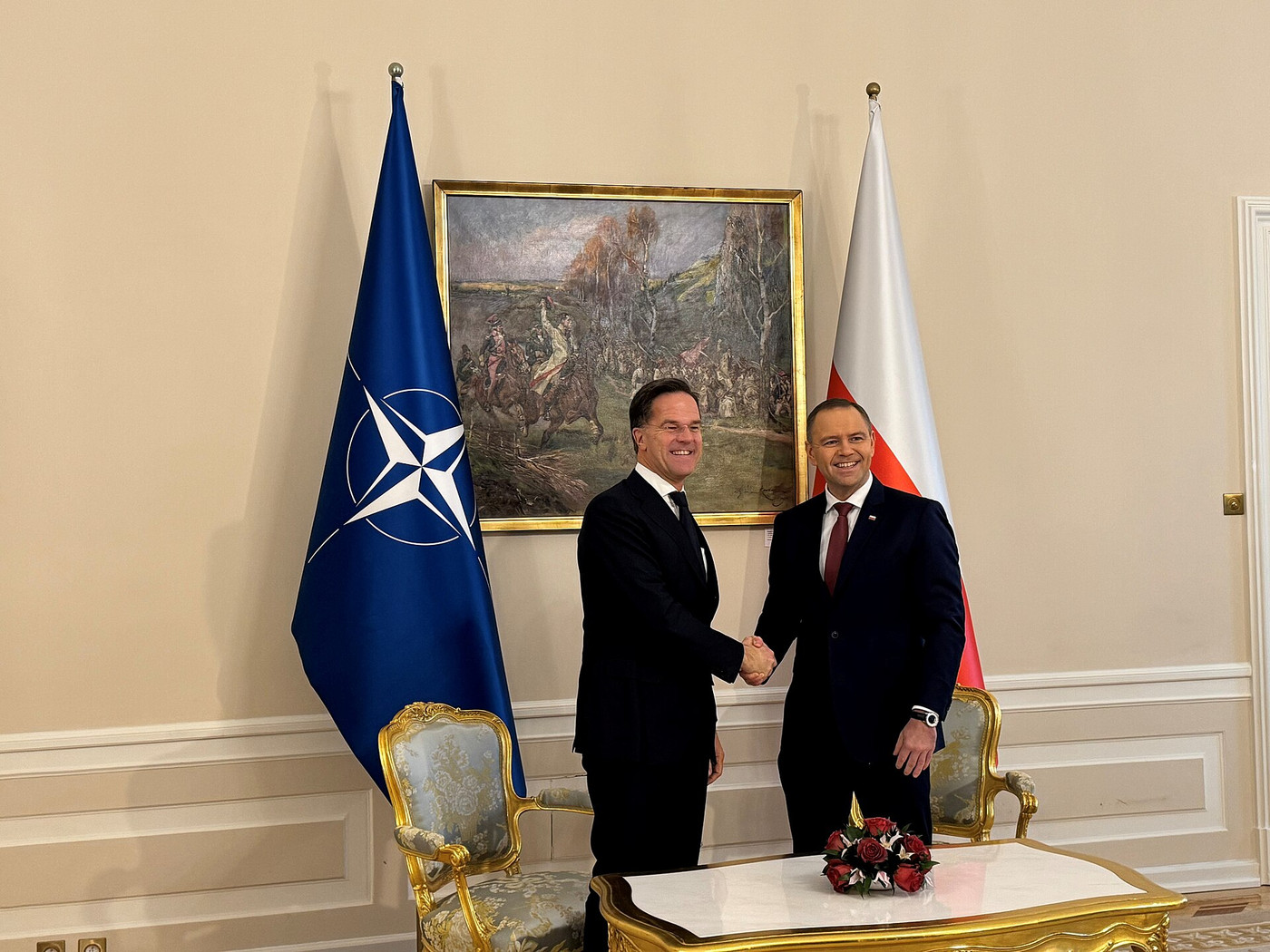
File photo: W2k2 (CC BY 4.0), via Wikimedia Commons
Poland's Constitutional Tribunal chief was suspended on October 30, 2026 by a judge the president does not recognise; Nawrocki has called emergency talks.
What Happened
Poland's long fight over its Constitutional Tribunal turned into an open confrontation on Friday, October 30, 2026, when Judge Anna Korwin-Piotrowska ordered a one-month suspension of the tribunal's president, Bogdan Święczkowski, and its vice-president, Bartłomiej Sochański, and moved to take over as acting head. Police surrounded the court building in Warsaw, and supporters of the opposition Law and Justice (PiS) party gathered to protest. President Karol Nawrocki cut short a visit to Senegal, flew back and went to the tribunal overnight, where he told the judges who had acted against Święczkowski that they were not judges of the tribunal. On Saturday, October 31, he declared that the constitutional order had been violated and called emergency talks with party representatives at the presidential palace.
Key Facts
- October 30, 2026: Judge Anna Korwin-Piotrowska ordered one-month suspensions of tribunal president Bogdan Święczkowski and vice-president Bartłomiej Sochański.
- Her standing is disputed: President Nawrocki has refused to swear her in, and his office and Święczkowski say judges must take their oath in the president's presence.
- Police secured the tribunal building in Warsaw after protesters gathered; reports say police kept Święczkowski from entering the grounds.
- Nawrocki returned early from Senegal, confronted the judges overnight and, on October 31, called emergency cross-party talks, citing a threat to internal security and demanding that police withdraw from the court.
- Prime Minister Donald Tusk's government backs the judges who acted against Święczkowski and has vowed "no compromise" on the rule of law.
- Korwin-Piotrowska has said she will convene a general assembly of the tribunal's judges on November 3.
Why It Matters
Poland's Constitutional Tribunal decides whether laws comply with the constitution. For a decade it has been at the centre of a political battle. Tusk's government argues that judges appointed under the former PiS government were not lawfully chosen and has refused to recognise the tribunal's rulings. In March 2026, Parliament elected six new judges to replace those whose terms were ending. President Nawrocki, who is allied with PiS, has refused to swear in five of those judges, citing concerns over how they were chosen or their qualifications. The result is two rival camps, each saying the other has no legal right to run the court.
The events of October 30 and 31 show how dangerous that standoff has become. A court leadership suspended by a judge whom the president does not recognise, police around the building, a head of state turning his plane around and confronting judges in the middle of the night: these are the signs of a constitutional system in which the basic rules about who holds power are no longer agreed. PiS leader Jarosław Kaczyński said Poland had become a "police state". Nawrocki described the events as an attempt to take over a constitutional institution. The government says it is restoring the rule of law after years of politicised appointments.
The crisis matters well beyond Poland. Poland is one of the European Union's largest members and a key NATO state on the alliance's eastern flank, bordering Ukraine. A deadlock at the top of its legal system could affect how laws are passed and challenged. Reports also say two Polish ambassadors have resigned amid the crisis.
| Date | Development |
|---|---|
| March 2026 | Parliament elects six new tribunal judges; the president refuses to swear in five |
| October 30 | Judge Korwin-Piotrowska suspends the tribunal's president and vice-president; police surround the court |
| October 30-31 | President Nawrocki cuts short Senegal trip and confronts the judges overnight |
| October 31 | Nawrocki declares constitutional order violated and calls emergency talks |
| November 3 | General assembly of judges planned by Korwin-Piotrowska |
Impact
Short-term: The outcome of the president's emergency talks and the planned November 3 assembly will decide whether the confrontation cools or deepens. Two rival claims to lead the tribunal may produce competing decisions and further street protests.
Long-term: Without a settlement, Poland risks a lasting split over which court rulings are valid, with consequences for legislation, for investors and for its relations with EU institutions. Any lasting solution is likely to require agreement between the government and the president on how judges are appointed.
Who is affected: Poland's government and president; the tribunal's judges; political parties, especially PiS and Tusk's coalition; Polish citizens whose laws depend on the court; and Poland's partners in the EU and NATO.
Key Takeaway
Poland's dispute over its Constitutional Tribunal escalated into a standoff with police at the court and a president calling emergency talks, leaving the country with rival claims to lead its top constitutional court.
Questions and Answers
What is happening at Poland's Constitutional Tribunal?
On October 30, 2026, Judge Anna Korwin-Piotrowska ordered one-month suspensions of the tribunal's president Bogdan Święczkowski and vice-president Bartłomiej Sochański. Police surrounded the court and protesters gathered outside.
Why does President Karol Nawrocki reject the suspension?
Nawrocki has refused to swear in Korwin-Piotrowska and other judges elected in 2026. His office says judges must take the oath in the president's presence, so it does not accept that she can act as the tribunal's head.
What did Nawrocki do after the suspension?
He cut short a visit to Senegal, went to the tribunal overnight and told the judges they were not members of the court. On October 31 he declared the constitutional order violated and called emergency talks with party representatives.
What happens next in the Poland court crisis?
Korwin-Piotrowska plans a general assembly of the tribunal's judges on November 3, while Święczkowski has said he and other judges will try to regain control. The outcome of the president's talks has not yet been reported.
Disclaimer: Prepared by the Peepals newsroom from publicly available sources with AI assistance. Information is accurate to the best of our knowledge at the time of publication and may change. Images may be representative. Not professional advice. Report an error via our contact page.
By Rohan Saluja, Geopolitics EditorCovers Geopolitics and more for Peepals Global. All stories by Rohan Saluja
Get the day's stories in your inbox
Peepals Weekly: the week decoded, free. One email a week, unsubscribe in one click.
Rohan Saluja is a pen name of the Peepals Global Editorial Team, which researches, fact-checks and publishes every story. The portrait is an illustration.