
Solomon Islands treaty with Australia bans foreign bases, sidelines China pact
 By Rohan SalujaGeopolitics Editor, Peepals Global
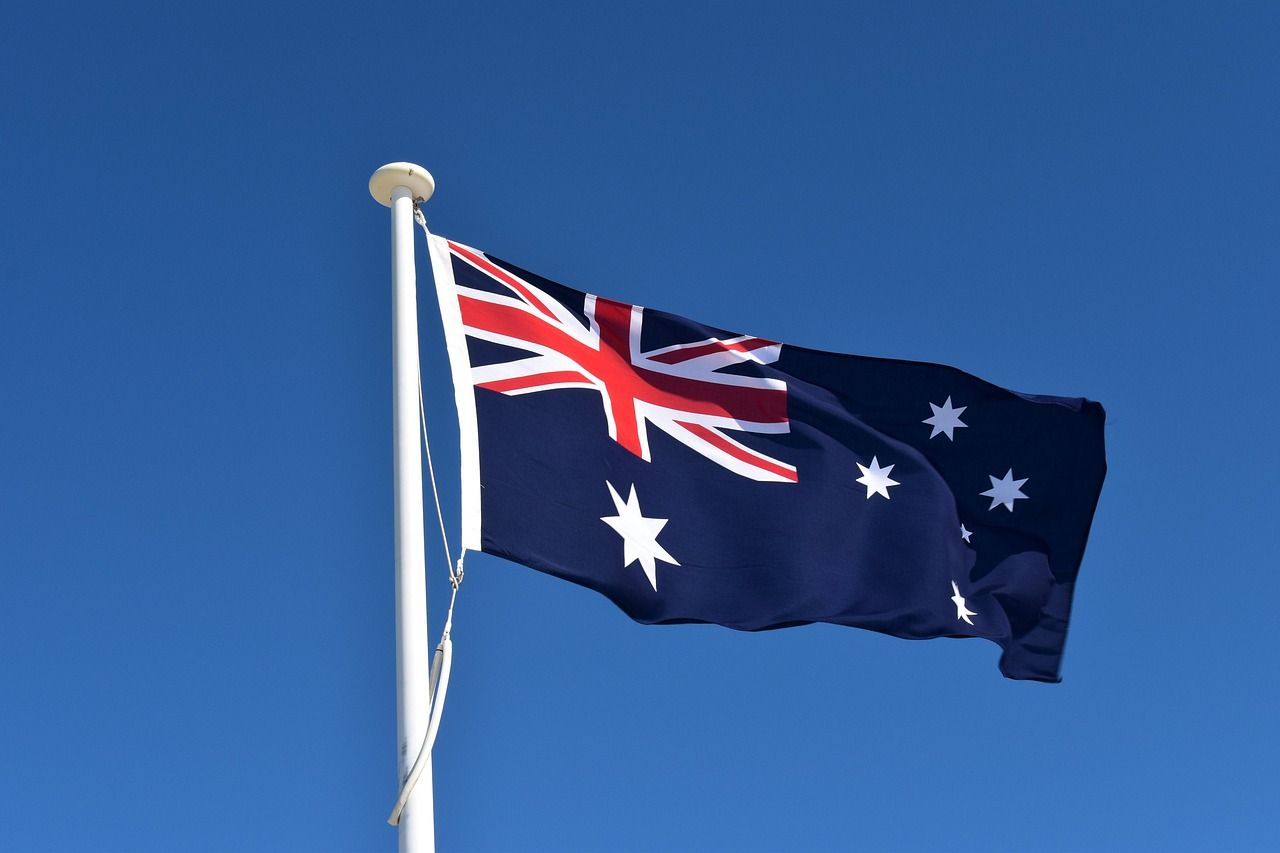
Representative image: RebeccaLintzPhotography / Pixabay
Solomon Islands signed a treaty with Australia on 25 November 2026 naming it primary security partner and ruling out foreign military bases.
Solomon Islands treaty: what happened
The Solomon Islands signed a wide-ranging treaty with Australia in Canberra on Wednesday, 25 November 2026, naming Australia as its primary security partner and committing not to host any foreign military or security base on its territory. Prime Minister Matthew Wale and Australian Prime Minister Anthony Albanese signed the agreement. The move comes four and a half years after the Pacific nation's secretive 2022 security pact with China alarmed Canberra and Washington, and Wale's government is not expected to renew that China pact when it runs out in April 2027.
Solomon Islands treaty: key facts
- The Australia-Solomon Islands Treaty was signed in Canberra on 25 November 2026 by the two prime ministers.
- The treaty names Australia as the Solomon Islands' primary security partner.
- The Solomon Islands commits not to host foreign military or security bases, and sensitive infrastructure is to stay free of militarisation and foreign interference.
- Honiara must consult Australia before deals on critical infrastructure or security cooperation with countries outside the Pacific Islands Forum.
- The two sides commit to a long-term police partnership, led by the Solomon Islands with Australian support, and more intelligence sharing.
- Australia promises budget support, help with a sovereign wealth fund, more seasonal work and easier visas for Solomon Islanders.
- The 2022 security agreement with China expires in April 2027; Wale has not publicly confirmed what will happen to it.
Solomon Islands treaty: why it matters
The 2022 deal between Honiara and Beijing was one of the sharpest shocks to the regional order in the South Pacific in decades. Australia, the traditional security partner, responded by signing a run of agreements with Pacific governments. Wale himself has described the new treaty as completing that series.
The treaty turns Australia's role as first security partner into a written commitment and, more importantly for strategists, closes the door on a foreign base. The clause requiring consultation on deals with countries outside the Pacific Islands Forum is the part most clearly aimed at China, although the treaty does not name it.
The deal is not uncontroversial inside the Solomon Islands. Opposition leader Sogavare criticised what he called the fast-tracking of the treaty. Analysts in the region have also asked what development money the country might lose by cooling its ties with Beijing. China's foreign ministry has not confirmed whether the 2022 arrangement is being ended.
Published figures for Australia's financial package differ. One Australian policy institute, citing a government source, put it at A$740 million over 10 years, while other totals have also been given; neither government has published an official figure.
For India, the Pacific matters as part of the wider Indo-Pacific, where New Delhi works with Australia, Japan and the United States in the Quad. A treaty that keeps foreign military bases out of a country lying across the sea routes between Australia and the United States fits the open and free Indo-Pacific that the Quad partners say they want. It also shows how small island states can bargain between larger powers, a pattern India also meets in the Indian Ocean.
Peepals timeline: The Solomon Islands signed its security pact with China in April 2022. Matthew Wale became prime minister in May 2026 and chose Canberra for his first foreign trip, where on 3 June the two leaders agreed to negotiate a treaty and he said the China pact would be reviewed. On 7 July Albanese visited Honiara and said he wanted the treaty finished by the end of the year. It was signed on 25 November, and the China pact's term ends in April 2027.
| Date | Event |
|---|---|
| April 2022 | Solomon Islands signs security pact with China |
| 3 June 2026 | Wale and Albanese agree to negotiate a treaty in Canberra |
| 7 July 2026 | Albanese visits Honiara, aims to finish the treaty by year-end |
| 25 November 2026 | Treaty signed in Canberra |
| April 2027 | China pact due to expire |
Solomon Islands treaty: impact
Short-term: The treaty still has to come into force through each country's domestic process, so the immediate change is political: Australia's position as first partner is now in writing, and Beijing's security foothold looks set to end next year.
Long-term: If the base ban and the consultation clause hold, the Solomon Islands is unlikely to become a site for any outside military presence, which reshapes security planning across the South Pacific.
Who is affected: The government and people of the Solomon Islands, including workers who may gain from easier visas and seasonal jobs; Australian police and defence planners; China's diplomats in the region; and Quad partners, including India, that watch the Pacific balance.
What to watch next: Whether the Solomon Islands formally lets the China security agreement lapse when it expires in April 2027.
Solomon Islands treaty: key takeaway
Watch April 2027: if Honiara lets the China pact lapse as expected, Australia's new treaty will leave it as the island nation's only written security partner.
Solomon Islands treaty: questions and answers
Does the Solomon Islands treaty with Australia ban Chinese bases?
It bans any foreign military or security base on Solomon Islands territory, whichever country it belongs to. China is not named in the text that has been described publicly.
Has the Solomon Islands cancelled its security pact with China?
Not formally. The 2022 agreement runs until April 2027, and the government is not expected to renew it, but Prime Minister Wale has not confirmed the details and Beijing has not commented on its status.
What do ordinary Solomon Islanders get from the treaty?
Australia has promised more seasonal work, easier visa arrangements, budget support and help setting up a sovereign wealth fund, alongside support in areas such as education and energy.
Why does this Pacific treaty matter to India?
India and Australia are Quad partners that both say they want an open Indo-Pacific; keeping foreign bases out of a strategically placed Pacific state supports that aim and limits a rival power's reach.
Disclaimer: Prepared by the Peepals newsroom from publicly available sources with AI assistance. Information is accurate to the best of our knowledge at the time of publication and may change. Images may be representative. Not professional advice. Report an error via our contact page.
By Rohan Saluja, Geopolitics EditorCovers Geopolitics and more for Peepals Global. All stories by Rohan Saluja
Your week ahead, every Sunday. Free.
Exam and result dates, IPOs opening, scheme deadlines, government holidays and the RBI decision for the next 7 days, plus the week's top stories. One email a week, unsubscribe in one click.
Rohan Saluja is a pen name of the Peepals Global Editorial Team, which researches, fact-checks and publishes every story. The portrait is an illustration.
Responsible for this story: the Peepals Global Editorial Team. How we report