
Serbian elections: Vučić concedes as Student List wins about 52%
 By Rohan SalujaGeopolitics Editor, Peepals Global
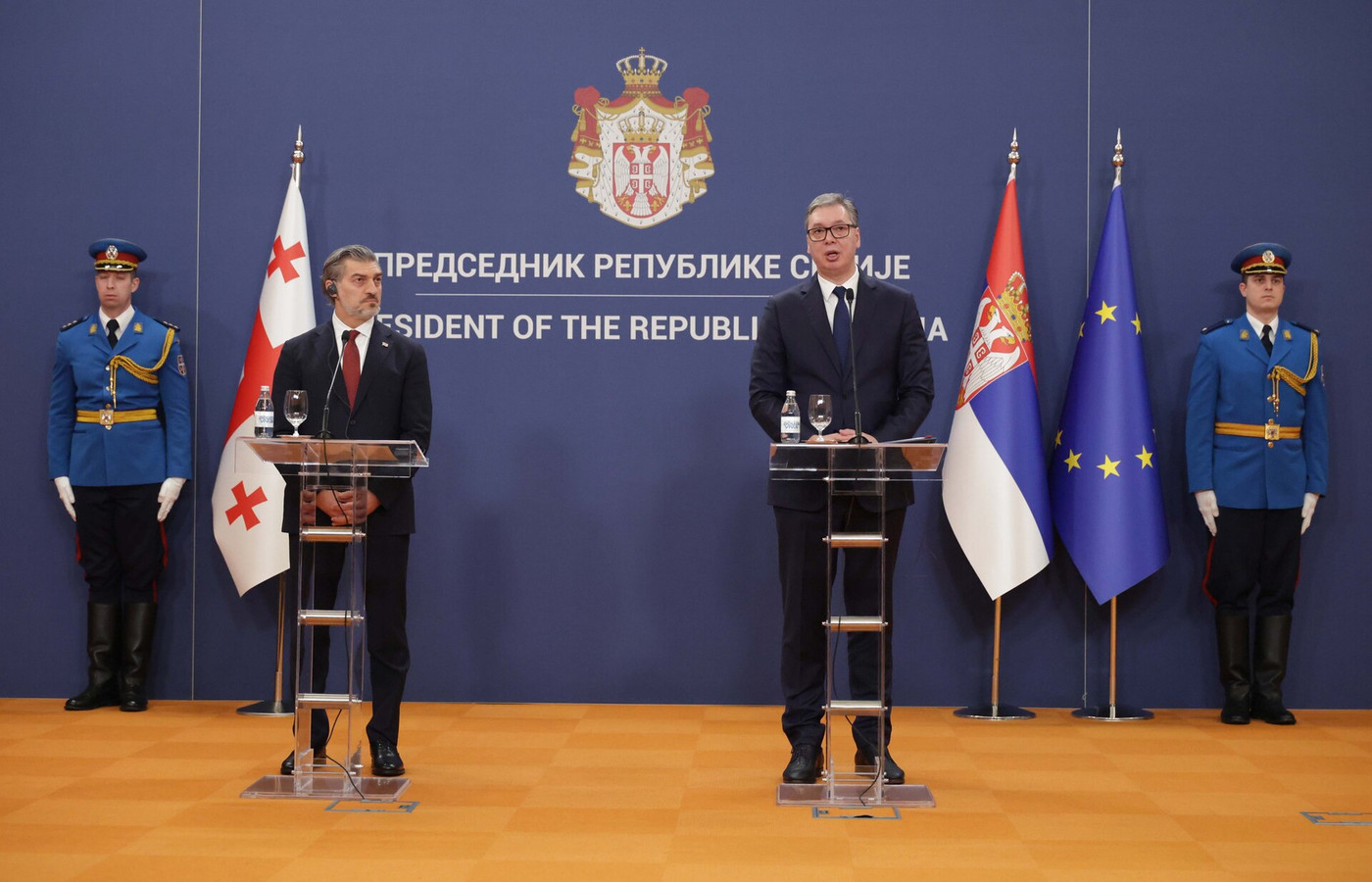
File photo: Administration of the President of Georgia (CC BY 4.0), via Wikimedia Commons
Aleksandar Vučić conceded Serbia's October 25, 2026 snap election to the student-led Student List, which had about 52.5% of votes in the electoral commission's count.
What Happened
Aleksandar Vučić, the dominant figure in Serbian politics for years, conceded defeat on the night of Sunday, 25 October 2026, after a snap parliamentary election in which the student-led Student List took a clear lead. "It is clear that we have lost these elections," Vučić said, adding that his party's own sample of votes gave the Student List between 135 and 140 of the 250 seats in Serbia's National Assembly, against about 105 for his list. A later count by the Republic Electoral Commission, based on 8,077 processed polling stations, put the Student List at 52.54% of the vote and the "Aleksandar Vučić - United Serbia" list at 39.29%.
Key Facts
- Election: a snap vote for Serbia's 250-seat National Assembly, held on 25 October 2026; 126 seats are needed for a majority.
- Electoral commission count at 8,077 polling stations: Student List 52.54%, Aleksandar Vučić - United Serbia 39.29%.
- Projections by the polling groups Ipsos and CeSID gave the Student List about 140 seats and Vučić's coalition about 103.
- Turnout was 67.6% by 7 p.m., the highest since 1992, according to CeSID and Ipsos; France 24 reported final turnout near 70%.
- The Socialist Party of Serbia led by Ivica Dačić, was at about 2.21%, below the 3% threshold needed to win seats, according to early counts.
- European Commission President Ursula von der Leyen was among European leaders who congratulated the Student List.
- The results are preliminary; final figures and the official seat allocation are still to be announced by the electoral commission.
Why It Matters
The vote is the clearest test yet of a protest movement that began after the collapse of a railway station canopy in the northern city of Novi Sad in 2024. Students led nearly two years of demonstrations against what they described as corruption and growing authoritarianism, and the anger spread far beyond university campuses. Vučić eventually called an early election. Sunday's result means that a movement which started on the streets is now set to take control of parliament, which elects the government.
For Serbia, the change is large. Vučić and his Serbian Progressive Party have been the centre of the country's politics for years, and the protests targeted the way the state was run under them. A government formed by the Student List would have to show how it plans to answer the protesters' demands on corruption and accountability. The quick congratulations from European leaders, including the President of the European Commission, show that the European Union is watching the transition closely.
The outcome also shows how strongly voters engaged. Pollsters said participation was the highest since 1992, the period of Yugoslavia's break-up, a sign of how much was seen to be at stake.
There is no direct India angle in the results themselves. For Indian readers, the election is an example of a youth-led movement translating street protests into a parliamentary majority through the ballot box, in a European country whose choices matter to its region.
| Serbian election, preliminary | Figure |
|---|---|
| Student List vote share (RIK, 8,077 stations) | 52.54% |
| Vučić - United Serbia vote share | 39.29% |
| Projected Student List seats (Ipsos, CeSID) | About 140 of 250 |
| Seats needed for majority | 126 |
| Turnout by 7 p.m. | 67.6% |
Impact
Short-term: The electoral commission will publish final results, after which the new National Assembly meets and a government is formed. The Student List will have to choose a prime minister and set out its programme, and markets and neighbours will watch how smoothly power is handed over.
Long-term: A new government could reshape how Serbia is governed, including its approach to the rule of law and to its relationship with the European Union. Serbia's next presidential election is due by May 2027, which will be another test of the new political balance.
Who is affected: Serbian citizens and the students who led the protests; Vučić's Serbian Progressive Party and its allies; the European Union, which is negotiating Serbia's membership; and Balkan neighbours, for whom Serbia's direction matters for regional stability.
Key Takeaway
A student-led protest movement has won Serbia's snap election by a wide margin, and Aleksandar Vučić has accepted defeat, opening the way to a new government in Belgrade.
Questions and Answers
Who won the Serbian elections of October 2026?
The student-led Student List won the snap parliamentary election held on 25 October 2026. The electoral commission's count at 8,077 polling stations gave it 52.54% of the vote, and pollsters projected about 140 of the 250 seats.
Did Aleksandar Vučić accept the result?
Yes. Vučić conceded on election night, saying "It is clear that we have lost these elections," and said his own party's sample gave the Student List 135 to 140 seats.
Why was the election held early?
Vučić called the snap vote after nearly two years of student-led protests against perceived corruption and authoritarianism, which began after a railway station canopy collapsed in Novi Sad in 2024.
Are these the final results?
No. The figures are preliminary. The Republic Electoral Commission still has to publish final results and the official allocation of seats before a new government is formed.
Disclaimer: Prepared by the Peepals newsroom from publicly available sources with AI assistance. Information is accurate to the best of our knowledge at the time of publication and may change. Images may be representative. Not professional advice. Report an error via our contact page.
By Rohan Saluja, Geopolitics EditorCovers Geopolitics and more for Peepals Global. All stories by Rohan Saluja
Singapore's Ailytics raises $7.4 million to turn CCTV into safety AI
Channel 4's first vertical drama, The Guest List, debuts on social media
Rohan Saluja is a pen name of the Peepals Global Editorial Team, which researches, fact-checks and publishes every story. The portrait is an illustration.