
Ancient Wisdom for Modern Challenges symposium holds first India edition in Varanasi
 By Devansh TiwariKnowledge Systems Writer, Peepals Sanskriti
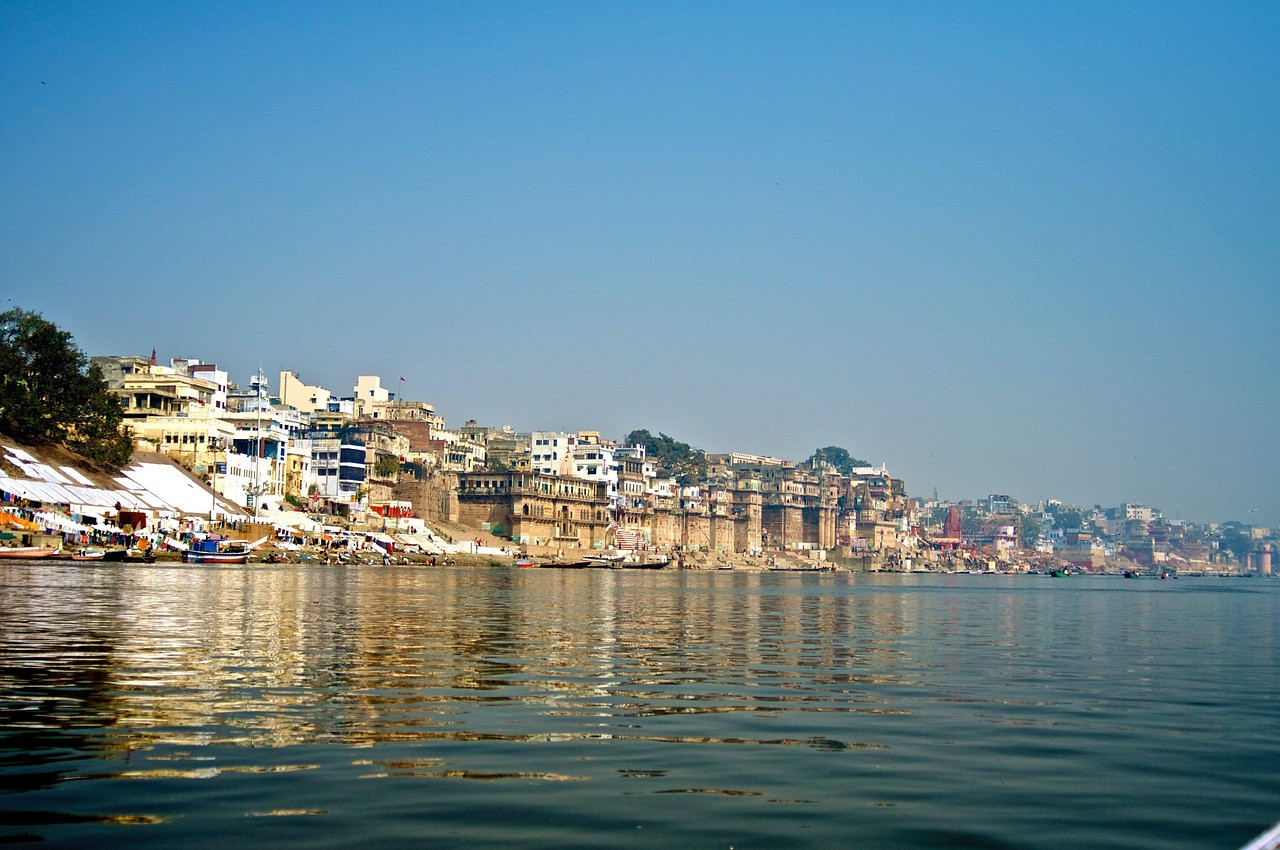
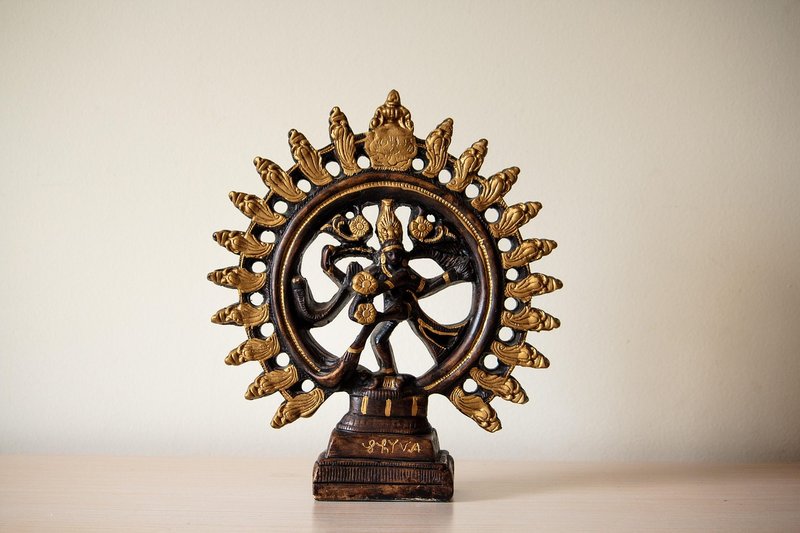
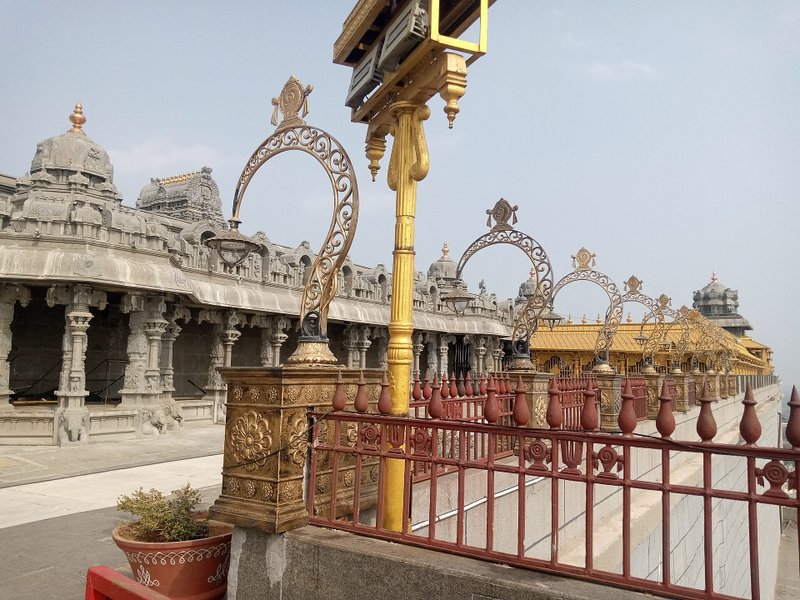
Representative image: oreotikii / Pixabay
The world symposium Ancient Wisdom for Modern Challenges met in Varanasi on 2-4 November 2026, its first edition in India after Greece and China.
What Happened
Ancient Wisdom for Modern Challenges, an international symposium that had met in Greece and China, held its first edition in India at Varanasi from Monday, 2 November to Wednesday, 4 November 2026. Over three days, scholars, policy experts and officials discussed whether the philosophical and spiritual traditions of Hinduism, Buddhism and Jainism can help with present-day problems such as climate change, artificial intelligence, conflict and governance. The sessions were held at the Taj Ganges hotel in Varanasi, and participants also visited sites in Varanasi and nearby Sarnath.
Key Facts
- Event: the World Symposium "Ancient Wisdom for Modern Challenges", 2 to 4 November 2026, at Taj Ganges, Varanasi, Uttar Pradesh.
- First time in India: earlier meetings were held in Athens (2022) and Stagira (2023) in Greece, and in Qufu and Beijing in China (2024), according to reports on the symposium.
- Focus: Hinduism, Buddhism and Jainism, the participating scholars said.
- Themes listed by the organisers and partners: geopolitical tensions, ethical governance, technological change including AI, ecological sustainability and human flourishing.
- Speakers included economist Jeffrey Sachs, president of the UN Sustainable Development Solutions Network; Columbia University professor Nirupam Bajpai; Union Culture Secretary Vivek Aggarwal; TERI Director General Vibha Dhawan; and Adani Foundation chairperson Priti Adani, who gave the inaugural keynote.
- The Energy and Resources Institute (TERI) took part alongside international institutional partners, the institute said.
Why It Matters
Indian universities and institutes are building courses and research centres on Indian Knowledge Systems, and the question that keeps coming up is how to study these traditions with rigour rather than as a celebration of the past. The Varanasi meeting put that question in front of an international audience. Several speakers made the same point in different words: old ideas earn their place only when they are tested against real problems. Priti Adani put it most directly in her keynote on 2 November, saying, "Ancient wisdom does not become valuable simply because it is ancient." She argued that such knowledge should not stay confined to scriptures and historical texts but be applied to suffering, inequality and conflict, and she drew on Aristotle's idea of human flourishing, the Buddha's teaching on suffering and Confucian ideas of moral duty.
The choice of city was deliberate, according to the organisers. Nirupam Bajpai said the two earlier rounds had been held in Greece and China, and that Varanasi was picked because of its link with Hinduism, Buddhism and Jainism. That puts three traditions that took shape in India alongside the Greek and Chinese philosophical traditions the series began with. Jeffrey Sachs, who co-hosted the meeting, said the world needs to be on a "common path of harmony and diversity". The symposium's central message drew on the Indian idea of Vasudhaiva Kutumbakam, which reports on the event describe as promoting mutual understanding, peace and cooperation among civilisations.
Technology was a running theme. Culture Secretary Vivek Aggarwal said artificial intelligence "can help decipher ancient scriptures, deepen our understanding of their wisdom and make India's civilisational knowledge more accessible and relevant to future generations". That matters because a large share of India's written heritage sits in manuscripts that few people can read, and the government's Gyan Bharatam mission is now digitising them in large numbers. Adani's keynote also mentioned the Bharat Knowledge Graph, which she said is backed by a 10 million dollar commitment from the Adani Group. Vibha Dhawan of TERI described one of the sessions as being on "wisdom traditions and the ecological crisis", reflecting the attempt to connect ethical teaching with climate and sustainability work.
Peepals timeline: Athens, Greece, 2022, the first meeting of the series; Stagira, Greece, 2023; Qufu and Beijing, China, 2024; Varanasi, India, 2 to 4 November 2026, the first meeting in India and the first centred on Hinduism, Buddhism and Jainism. In about four years the series has met in three countries on two continents, Europe and Asia, moving from Greek and Chinese settings to an Indian one. Our timeline from the dates given in reports on the symposium.
Impact
Short-term: The meeting gives scholars of Indian philosophy and religion a global platform and draws attention to Varanasi and Sarnath as places of learning, not only of pilgrimage.
Long-term: If the discussions lead to joint research, especially on using AI to read and translate old texts, it could speed up work on India's manuscript collections and bring Indian thought into international debates on ethics and sustainability.
Who is affected: Students and researchers of Indian Knowledge Systems, Sanskrit, Pali and Prakrit studies, universities building IKS courses, cultural institutions handling manuscripts, and readers interested in how traditions connect with modern policy.
Key Takeaway
A world symposium on ancient wisdom, held in India for the first time, used Varanasi to test whether Hindu, Buddhist and Jain thought can help with AI, climate and conflict.
Questions and Answers
What was the Ancient Wisdom for Modern Challenges symposium in Varanasi?
It was a three-day international meeting held from 2 to 4 November 2026 at Taj Ganges, Varanasi, where scholars and experts discussed how ideas from Hinduism, Buddhism and Jainism can help with problems such as climate change, AI, conflict and governance.
Why was Varanasi chosen for the symposium?
Columbia University professor Nirupam Bajpai said the earlier rounds were held in Greece and China and Varanasi was chosen because of its connection with Hinduism, Buddhism and Jainism. Participants also visited sites in Varanasi and nearby Sarnath.
Where were the earlier editions held?
According to reports on the symposium, the series began in Athens in 2022, moved to Stagira in 2023, and was held in Qufu and Beijing in China in 2024. Varanasi was its first edition in India.
What did speakers say about AI and ancient texts?
Culture Secretary Vivek Aggarwal said artificial intelligence can help decipher ancient scriptures and make India's civilisational knowledge more accessible to future generations.
Disclaimer: Prepared by the Peepals newsroom from publicly available sources with AI assistance. Information is accurate to the best of our knowledge at the time of publication and may change. Images may be representative. Not professional advice. Report an error via our contact page.
By Devansh Tiwari, Knowledge Systems WriterCovers Knowledge Systems and more for Peepals Sanskriti. All stories by Devansh Tiwari
Get the day's stories in your inbox
Peepals Weekly: the week decoded, free. One email a week, unsubscribe in one click.
Devansh Tiwari is a pen name of the Peepals Global Editorial Team, which researches, fact-checks and publishes every story. The portrait is an illustration.