
Punjab food safety drive: half of 437 dairy samples fail, 51 unsafe
 By Ananya RaoAyush & Wellness Correspondent, Peepals Sanskriti
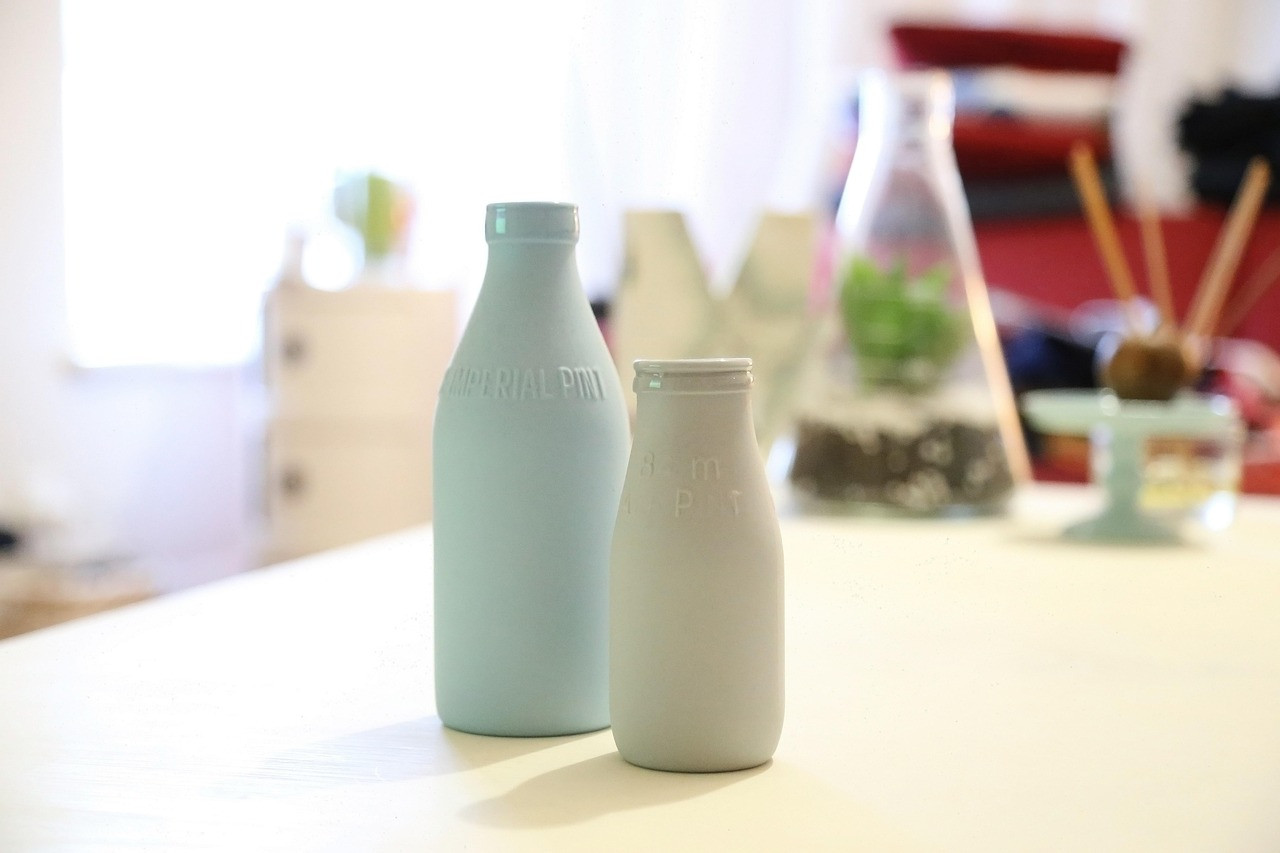
Representative image: Foundry / Pixabay
Punjab said on 4 November 2026 that 218 of 437 dairy samples failed standards and 51 were unsafe; over 11 tonnes of suspect food was seized.
What Happened
Half of the milk and dairy samples tested in a month-long food safety drive in Punjab failed to meet the prescribed standards, the state government said on Wednesday, 4 November 2026. Health Minister Dr Balbir Singh said 218 of 437 milk and dairy product samples taken during targeted inspections failed, and 51 of them were declared unsafe. Food safety teams across all 23 districts seized more than 11 tonnes of suspected unsafe food, including desi ghee, paneer, khoa, sweets, edible oil and vanaspati, and destroyed about five tonnes of adulterated milk products and sweets.
Key Facts
- Announced: Wednesday, 4 November 2026, by Punjab Health Minister Dr Balbir Singh.
- Coverage: a month-long drive across all 23 districts of Punjab, with targeted inspections of dairy units.
- Dairy samples: 437 tested, 218 failed to meet prescribed standards, 51 declared unsafe.
- Seized: more than 11 tonnes of suspected unsafe food, including desi ghee, paneer, khoa, sweets, edible oil and vanaspati.
- Destroyed: about five tonnes of adulterated milk products and sweets.
- Wider sampling: 1,950 food samples collected across the state for laboratory testing.
- Action: legal proceedings have been started against food businesses that failed the tests.
- Testing: suspect products are being sent to the state food laboratory at Kharar for faster results, according to Commissioner of Food and Drug Administration Kanwal Preet Brar.
Why It Matters
Milk and its products sit at the centre of the Indian kitchen and of festival food. Paneer, khoa and desi ghee are the base of most traditional sweets, and demand for them peaks in the festive season from Dussehra and Diwali through the wedding months. Higher demand also raises the temptation to cut corners, which is why state food safety departments step up checks at this time of year. Punjab's drive focused on exactly these high-risk items.
The numbers are a warning about how widespread the problem is. A sample that "fails to meet standards" can be substandard, for example with less fat or milk solids than the law requires, or wrongly labelled. A sample declared "unsafe" is the more serious category under food safety law, meaning it could harm health. The state did not give a breakdown of what was found in each sample, so the results do not show which adulterants were involved.
The drive also shows how enforcement works in practice. Teams collected samples, sent them to the state laboratory, seized suspect stock while tests were pending, destroyed what was found to be adulterated, and started legal cases against the businesses concerned. The government says sending samples to the Kharar laboratory is meant to speed up results so that unsafe food can be taken off the market sooner.
This is not the first such finding in Punjab this year. In an earlier campaign on paneer and milk in May 2026, 68 of 204 milk samples failed quality tests. The two drives used different samples and methods, so their results are not directly comparable, but both point to continuing quality problems in the dairy supply.
Peepals calculation: 218 failed samples out of 437 means almost exactly half (49.9%) of the dairy products tested did not meet standards (218 ÷ 437 ≈ 0.499). The 51 unsafe samples were 11.7% of all samples tested (51 ÷ 437 ≈ 0.117) and about 23% of the failed ones (51 ÷ 218 ≈ 0.234). About 45% of the seized quantity, by weight, has been destroyed so far (5 ÷ 11 ≈ 0.45). Our calculation from the reported figures.
| Measure | Figure |
|---|---|
| Dairy samples tested | 437 |
| Failed standards | 218 (49.9%) |
| Declared unsafe | 51 (11.7%) |
| Food seized | More than 11 tonnes |
| Adulterated products destroyed | About 5 tonnes |
Impact
Short-term: Businesses whose samples failed face legal action, and suspect stock of ghee, paneer, khoa and sweets has been taken off shelves in the middle of the festive and wedding season.
Long-term: Repeated failures in Punjab's dairy samples add pressure for regular, year-round testing rather than seasonal drives, and for faster laboratory results.
Who is affected: Families who buy paneer, khoa, ghee and sweets, especially in the festive season; sweet shops and dairy units in Punjab; and the state's food safety officials and laboratories.
Key Takeaway
Punjab said on 4 November 2026 that 218 of 437 milk and dairy samples in a month-long drive failed food standards and 51 were unsafe, after it seized over 11 tonnes of suspect food.
Questions and Answers
How many dairy samples failed in Punjab's food safety drive?
Of 437 milk and dairy product samples tested, 218 failed to meet the prescribed standards and 51 were declared unsafe, Punjab Health Minister Dr Balbir Singh said on 4 November 2026.
What food was seized in Punjab?
Food safety teams seized more than 11 tonnes of suspected unsafe food, including desi ghee, paneer, khoa, sweets, edible oil and vanaspati, and destroyed about five tonnes of adulterated milk products and sweets.
What is the difference between a substandard and an unsafe food sample?
A substandard sample does not meet the quality standards set in law, for example for fat or milk solids, while an unsafe sample is one judged likely to harm health. Unsafe findings usually lead to stricter legal action.
What happens to businesses whose samples failed?
The state says legal proceedings have been started against the food businesses concerned, and suspect products are being tested at the state food laboratory in Kharar.
Disclaimer: Prepared by the Peepals newsroom from publicly available sources with AI assistance. Information is accurate to the best of our knowledge at the time of publication and may change. Images may be representative. Not professional advice. Report an error via our contact page.
By Ananya Rao, Ayush & Wellness CorrespondentCovers Ayush and more for Peepals Sanskriti. All stories by Ananya Rao
Get the day's stories in your inbox
Peepals Weekly: the week decoded, free. One email a week, unsubscribe in one click.
Ananya Rao is a pen name of the Peepals Global Editorial Team, which researches, fact-checks and publishes every story. The portrait is an illustration.