
Mallakhamb, Kalaripayattu share stage with Capoeira at BRICS traditional games
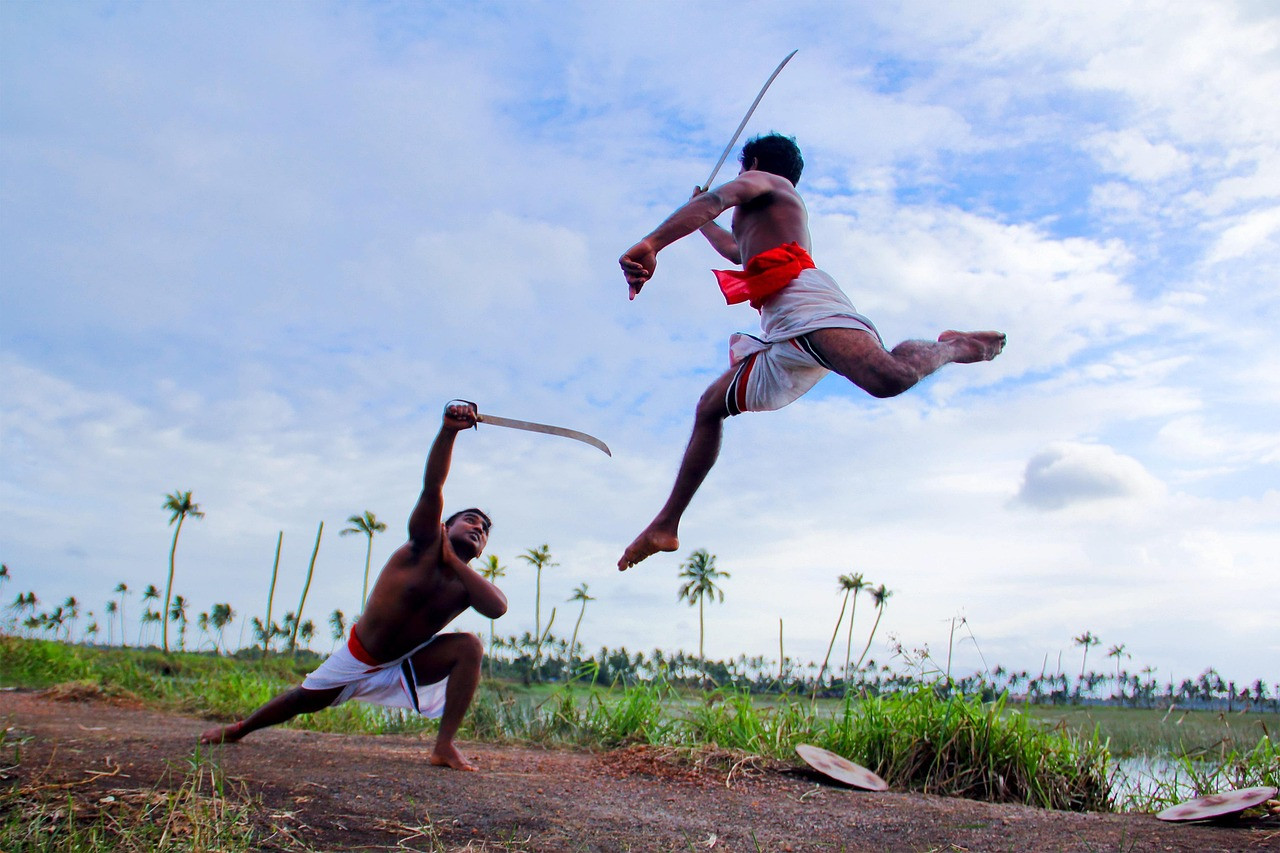
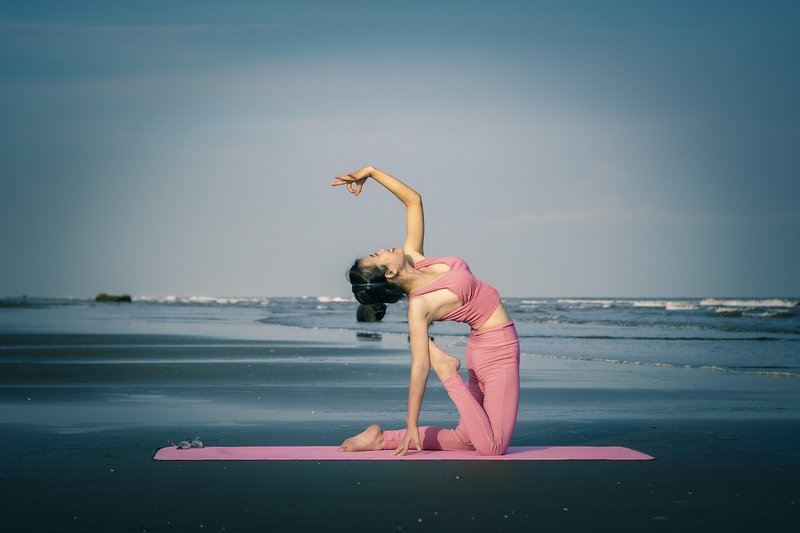
Representative image: ginu / Pixabay
Ahmedabad hosted medal-free BRICS Traditional and Indigenous Demonstration Games on October 12, 2026, with Mallakhamb, Kalaripayattu and Yogasana.
What Happened
Ahmedabad hosted the BRICS Traditional and Indigenous Demonstration Games on Monday, October 12, 2026, bringing together traditional sports and martial arts from across the BRICS group of nations at the Veer Savarkar Sports Complex. The event was organised by the Union Ministry of Youth Affairs and Sports with the Gujarat government under India's chairship of BRICS this year. Union Sports Minister Mansukh Mandaviya opened it with Gujarat Deputy Chief Minister Harsh Sanghavi. Unlike a regular multi-sport meet, the games awarded no medals and kept no rankings: the aim was to demonstrate, document and share indigenous sporting traditions.
Key Facts
- The games were held on October 12, 2026, at the Veer Savarkar Sports Complex in Ahmedabad.
- They were organised by the Ministry of Youth Affairs and Sports and the Gujarat government as part of India's BRICS chairship.
- Mansukh Mandaviya, Union Minister of Youth Affairs and Sports, inaugurated the event with Gujarat Deputy Chief Minister Harsh Sanghavi.
- The format was non-competitive, focused on demonstrations, documentation and knowledge-sharing rather than medals.
- India showcased Mallakhamb, Yogasana and Kalaripayattu.
- Other displays included China's Wushu and Lion Dance, Brazil's Capoeira, Russia's Sambo and Gorodki, and Iran's Zoorkhaneh, along with traditions from Bolivia, Kazakhstan and South Africa.
- Pre-event announcements spoke of delegations from 11 countries; demonstrations were accompanied by cultural performances.
Why It Matters
Most traditional sports survive outside the world of international competition. They are taught in village akharas, temple grounds, community halls and family lineages, and they carry history, ritual and local identity alongside physical skill. A platform that puts them side by side, with documentation as a stated goal, treats them as living heritage worth recording rather than as curiosities.
For India, the event put three home-grown disciplines in front of an international audience: Mallakhamb, performed on a wooden pole or rope; Kalaripayattu, the martial art of Kerala; and Yogasana, drawn from yoga practice. Showing them alongside Capoeira, Wushu and Sambo invites comparison between traditions that grew up separately but share a common thread: training the body as part of a wider cultural education.
The choice of a demonstration format also matters. Competition tends to standardise rules and favour what works for television. By focusing on display and exchange, organisers gave space to forms such as Iran's Zoorkhaneh, a ritual strength practice, and Kazakhstan's Togyzkumalak, a traditional board game, that would not fit neatly into a medal programme. For practitioners, international exposure can bring recognition at home, which in turn helps attract young learners and the support needed to keep a tradition alive.
| Selected traditions on show | Country |
|---|---|
| Mallakhamb, Yogasana, Kalaripayattu | India |
| Wushu, Lion Dance | China |
| Capoeira | Brazil |
| Sambo, Gorodki | Russia |
| Zoorkhaneh | Iran |
Impact
Short-term: The games gave India's traditional disciplines a diplomatic stage during its BRICS chairship and drew public attention to forms that rarely get it.
Long-term: If the documentation goal is followed through, the event could add to records of traditional sports and support exchanges between practitioners and institutions in BRICS countries.
Who is affected: Practitioners and teachers of traditional sports and martial arts, cultural and sports bodies in BRICS nations, and young people who may discover these forms through such events.
Key Takeaway
Ahmedabad's BRICS Traditional and Indigenous Demonstration Games on October 12 set India's Mallakhamb, Kalaripayattu and Yogasana beside Capoeira, Wushu and Sambo in a medal-free celebration of living sporting heritage.
Questions and Answers
What were the BRICS Traditional and Indigenous Demonstration Games?
A one-day, non-competitive event in Ahmedabad on October 12, 2026, where BRICS countries demonstrated traditional sports and martial arts, with the focus on display, documentation and exchange rather than medals.
Which Indian traditional sports were showcased?
India presented Mallakhamb, Yogasana and Kalaripayattu at the event.
Who organised the games?
The Union Ministry of Youth Affairs and Sports organised them with the Gujarat government as part of India's BRICS chairship, and Minister Mansukh Mandaviya inaugurated them.
Were there winners or medals?
No. The games were designed as demonstrations, so there were no medals or rankings.
Disclaimer: Prepared by the Peepals newsroom from publicly available sources with AI assistance. Information is accurate to the best of our knowledge at the time of publication and may change. Images may be representative. Not professional advice. Report an error via our contact page.
Sourced and fact-checked by the Peepals Global Editorial Team
Supreme Court raps ASI, MCD after Lodhi-era monument in Delhi found used as cow shed
Jaishankar opens Nirāmayatā exhibition on South Asian healing texts in Delhi
Reported, fact-checked and published by the Peepals Global Editorial Team.