
Diet study: four days of fatty food left lasting skin inflammation in mice
 By Ishita SenCulture & Heritage Editor, Peepals Sanskriti
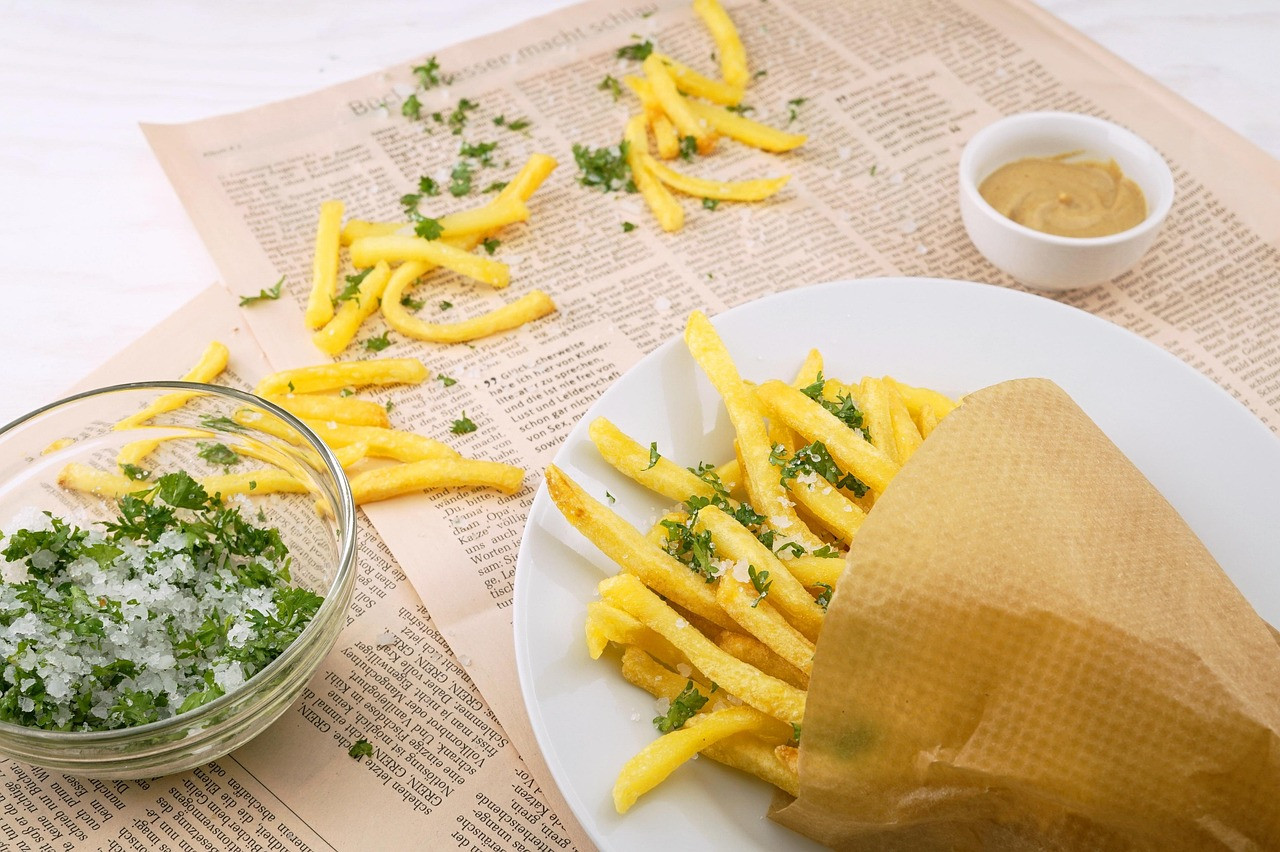
Representative image: Pexels / Pixabay
A Nature study published on October 28, 2026 found a few days of high-fat diet at disease onset left mice with stronger, lasting skin inflammation, even without obesity.
What Happened
A study published in the journal Nature on Wednesday, October 28, 2026 reports that what mice ate during the few days when an inflammatory skin disease first appeared changed how badly the disease behaved long afterwards. Mice given a high-fat diet for only about four days around the onset of psoriasis-like skin inflammation developed stronger inflammation, even though they had not become obese, and their skin kept an immune "memory" that made later flare-ups worse. Switching the mice to low-fat food during that window reduced the effect. The work was done in mice, and the researchers have not shown that the same happens in people.
Key Facts
- The paper, titled "Diet at disease onset determines tissue inflammatory memory", was published in Nature on October 28, 2026.
- The researchers used a standard mouse model of psoriasis, in which a skin cream called imiquimod triggers psoriasis-like inflammation.
- About four days of high-fat feeding intensified the skin inflammation, and the effect did not depend on the mice being obese.
- A change to low-fat food during the same window reduced the inflammation, according to summaries of the study.
- The authors say a type of immune cell called CD4+ tissue-resident memory T cells stayed in the skin after the first inflammation cleared and carried the "dietary memory".
- A similar heightened response was seen in the lungs of mice after a few days of high-fat eating, according to one summary.
- The study is preclinical: no human trial was part of it.
Why It Matters
Most diet and health research looks at long-term eating habits and body weight. This study looks at timing. Its central claim, in the authors' words, is that the state of the diet "during a narrow temporal window can durably reprogram disease trajectory". Put simply, a short spell of rich food at the moment a disease is starting may matter more than the same food eaten at another time, at least in mice.
The explanation the team offers involves the body's immune memory. Memory T cells are white blood cells that remember a past threat so the body can react faster the next time. Normally this protects us against infections. In the mice, the high-fat diet at disease onset pulled fast-acting immune cells into the skin, including neutrophils, a kind of first-responder white blood cell, and helped leave behind memory T cells that stayed in the skin. When the skin was irritated again later, those cells helped produce a stronger reaction. An earlier version of the work, posted as a preprint in 2025, reported that the heightened response could still be seen months later, after the mice had gone back to low-fat food.
Psoriasis is a long-lasting immune condition that causes red, scaly patches on the skin and often comes in flares. Earlier mouse research has linked obesity to more severe psoriasis. This study suggests that diet may also act on its own, separate from weight gain.
For readers of this section, the finding speaks to an idea found in many food traditions, including Indian ones: that heavy, oily food should be avoided when the body is unwell. The study does not test any traditional diet and does not prove that idea. It only shows, in mice, that a short high-fat period at a sensitive moment had a lasting effect on skin immunity.
| What the study found | Detail |
|---|---|
| Diet tested | High-fat food for about four days at disease onset |
| Main effect | Stronger skin inflammation, independent of obesity |
| Lasting change | Memory T cells stayed in the skin and worsened later flares |
| Reversal | Low-fat food in the same window reduced inflammation |
| Who was studied | Laboratory mice only |
Impact
Short-term: Nothing changes for patients yet. The study gives scientists a new question to test: whether short-term diet at the start of a flare affects people with psoriasis or other inflammatory diseases.
Long-term: If similar effects are found in humans, doctors could one day give timing-based diet advice to people with inflammatory skin, joint or lung conditions. That would need careful human trials first.
Who is affected: Researchers in immunology and nutrition; people living with psoriasis and other long-term inflammatory diseases, who should continue to follow their own doctor's advice; and dietitians who advise them.
Key Takeaway
In mice, about four days of high-fat food at the start of a skin inflammation left a lasting immune memory that worsened later flares, but the Nature study has not been tested in people.
Questions and Answers
What did the new diet study in Nature find?
The study, published on October 28, 2026, found that mice fed a high-fat diet for about four days when psoriasis-like skin inflammation began developed stronger inflammation and kept immune cells in the skin that made later flares worse, even without becoming obese.
Does this mean a few days of fatty food will cause psoriasis in people?
No. The study was done in mice with a chemically triggered skin inflammation. It did not study people, and it does not show that diet causes psoriasis in humans.
What is "inflammatory memory"?
It is the idea that tissues such as skin can keep immune cells that remember an earlier inflammation. In this study, memory T cells left in the skin after the first episode helped produce a stronger reaction the next time.
Should people with psoriasis change their diet because of this study?
The study gives no advice for patients. Anyone with psoriasis should talk to their own doctor or a registered dietitian before changing their diet.
Disclaimer: Prepared by the Peepals newsroom from publicly available sources with AI assistance. Information is accurate to the best of our knowledge at the time of publication and may change. Images may be representative. Not professional advice. Report an error via our contact page.
By Ishita Sen, Culture & Heritage EditorCovers Culture & Heritage and more for Peepals Sanskriti. All stories by Ishita Sen
Get the day's stories in your inbox
Peepals Weekly: the week decoded, free. One email a week, unsubscribe in one click.
Ishita Sen is a pen name of the Peepals Global Editorial Team, which researches, fact-checks and publishes every story. The portrait is an illustration.