
Varied diets linked to lower odds of rheumatoid arthritis in ICMR-NIN study
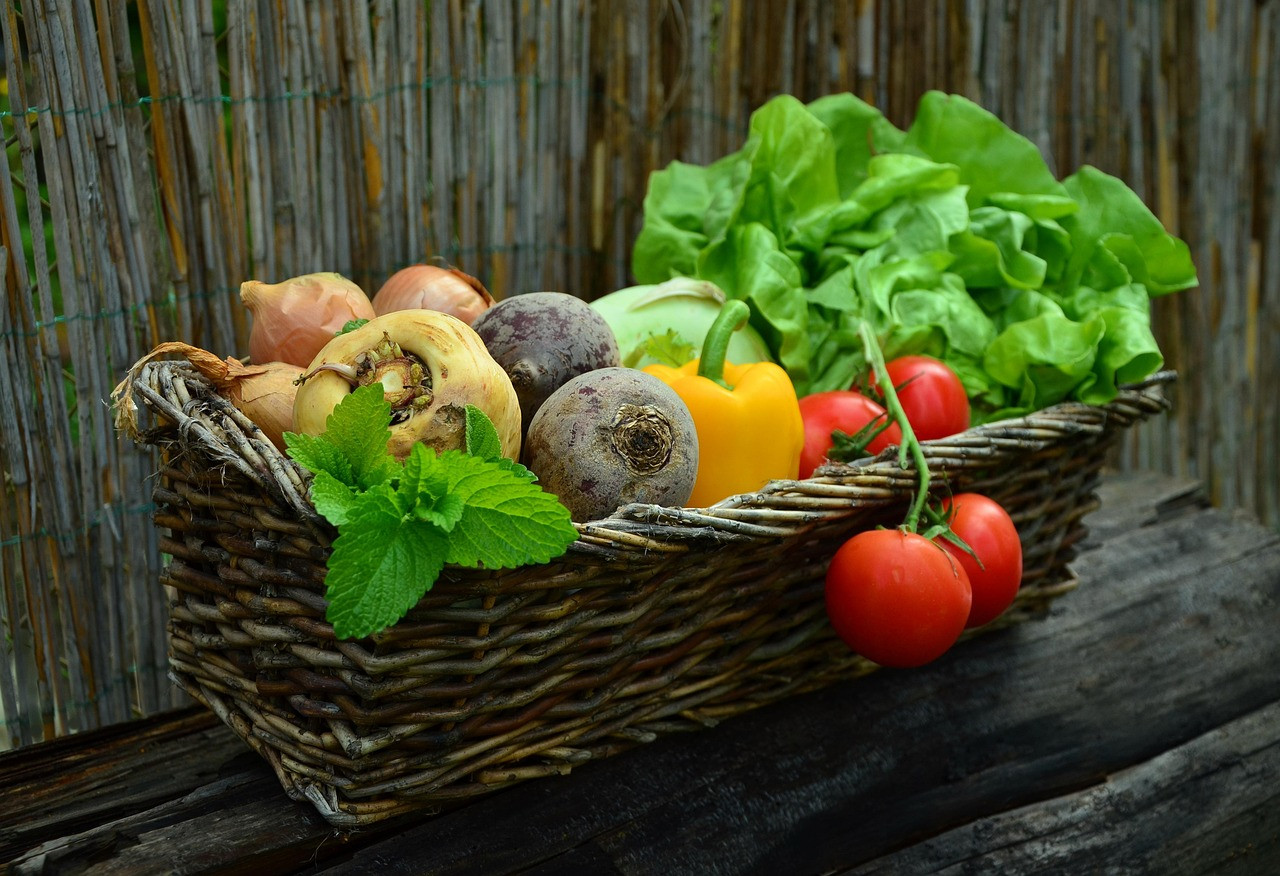
Representative image: congerdesign / Pixabay
An ICMR-NIN study of 615 Indian adults, made public on October 6-7, 2026, links varied, less inflammatory diets with 27% lower odds of rheumatoid arthritis per diversity point.
What Happened
Scientists at the ICMR-National Institute of Nutrition (NIN) in Hyderabad have found that adults newly diagnosed with rheumatoid arthritis tended to eat less varied, less nutrient-rich and more inflammation-promoting diets than healthy adults of the same age and sex. The case-control study, titled "Associations of Dietary Inflammatory Potential, Dietary Diversity, and Micronutrient Adequacy with Rheumatoid Arthritis: A Case-Control Study from India", has been published in the peer-reviewed journal Nutrients. Its findings were made public in Hyderabad in reports dated October 6 and 7, 2026. The researchers compared 301 people with newly diagnosed rheumatoid arthritis with 314 healthy controls aged 18 to 55.
Key Facts
- The study involved 615 adults: 301 newly diagnosed rheumatoid arthritis patients and 314 healthy controls, aged 18 to 55.
- Diet was recorded with a validated food frequency questionnaire covering 131 food items.
- The median Dietary Inflammatory Index score was 2.18 among patients, compared with 0.37 among healthy controls; a higher score means a more inflammation-promoting diet.
- Only 50.2 per cent of patients had a high dietary diversity score, against 74.2 per cent of healthy controls.
- After adjusting for age, sex and body mass index, each one-unit rise in dietary diversity was linked to 27 per cent lower odds of rheumatoid arthritis.
- Each one-unit rise in the inflammatory index was linked to 17 per cent higher odds, and each 10-point rise in micronutrient adequacy to 12 per cent lower odds.
- The authors describe the result as an association, not proof that diet causes or prevents the disease.
Why It Matters
Rheumatoid arthritis is an autoimmune disease in which the body's defences attack the lining of the joints, causing pain, swelling and stiffness that can lead to lasting damage. It is far more common in women than in men, and about nine in ten people in this study were women, according to one report on the findings. The disease often begins in working years, which is why the age band of 18 to 55 matters: these are people raising families and earning a living.
Much of the research linking food and inflammation comes from Western countries, where diets, cooking styles and staple foods are very different. This study is useful because it measured what Indian adults actually eat, using a long questionnaire built for Indian food habits. Its central message fits well with India's older food wisdom: a plate that changes through the week and draws on many food groups is better than one built around a single refined staple. Traditional Indian meals that combine a cereal with pulses, vegetables, greens, curd, nuts, seeds and seasonal fruit are, by design, diverse.
The gap in micronutrient adequacy is also striking. Micronutrients are the vitamins and minerals the body needs in small amounts. Coverage of the study reported a median adequacy score of 18.9 per cent among patients and 32.9 per cent among healthy controls, suggesting that both groups fell well short, and patients more so. That echoes a wider concern among Indian nutrition scientists that many diets supply enough calories but too few nutrients.
It is important to read the result carefully. A case-control study looks back at people who already have a disease and compares them with people who do not. It can show that two things go together, but not which came first. People who are already unwell may also change what they eat. The researchers themselves have stressed this point, and the study should be seen as a reason for larger, longer trials, not as a cure.
| Measure | Rheumatoid arthritis patients | Healthy controls |
|---|---|---|
| Median Dietary Inflammatory Index | 2.18 | 0.37 |
| Share with high dietary diversity | 50.2% | 74.2% |
| Median micronutrient adequacy | 18.9% | 32.9% |
Impact
Short-term: The findings give doctors and dietitians locally gathered evidence to encourage people with joint complaints, or a family history of autoimmune disease, to widen the variety of foods they eat and cut back on highly processed, inflammation-promoting items.
Long-term: If longer studies confirm the link, dietary diversity could become part of prevention advice for autoimmune conditions in India, alongside the national dietary guidelines that already stress eating from several food groups.
Who is affected: Adults at risk of or living with rheumatoid arthritis, especially women; families planning everyday meals; clinicians, dietitians and public-health planners.
Key Takeaway
An ICMR-NIN study links more varied, nutrient-rich and less inflammatory diets with lower odds of rheumatoid arthritis among Indian adults, though it does not prove that diet causes the disease.
Questions and Answers
Does this study prove that a poor diet causes rheumatoid arthritis?
No. It is a case-control study, which can only show that a less diverse, more inflammatory diet was more common among people with the disease. It cannot show cause and effect, and the researchers have said so clearly.
What is a Dietary Inflammatory Index score?
It is a score that estimates how much a person's overall diet is likely to promote or reduce inflammation in the body, based on the foods and nutrients they eat. A higher score points to a more inflammation-promoting diet.
What does dietary diversity mean in practice?
It means eating from many different food groups over the day and week, such as cereals and millets, pulses, vegetables, leafy greens, fruit, milk or curd, nuts and seeds, rather than relying heavily on one or two staples.
Should people with rheumatoid arthritis change their treatment because of this study?
No. Diet can support overall health, but rheumatoid arthritis needs medical care. Anyone with the condition should talk to their doctor before making major changes and should not stop prescribed medicines.
Disclaimer: Prepared by the Peepals newsroom from publicly available sources with AI assistance. Information is accurate to the best of our knowledge at the time of publication and may change. Images may be representative. Not professional advice. Report an error via our contact page.
Sourced and fact-checked by the Peepals Global Editorial Team
Centres of Excellence approved for classical Pali, Prakrit, Marathi, Bengali, Assamese
FSSAI questions 'lean muscle' claims of GLP-1 protein supplement Celevida GLP+
Reported, fact-checked and published by the Peepals Global Editorial Team.