
Centres of Excellence approved for classical Pali, Prakrit, Marathi, Bengali, Assamese
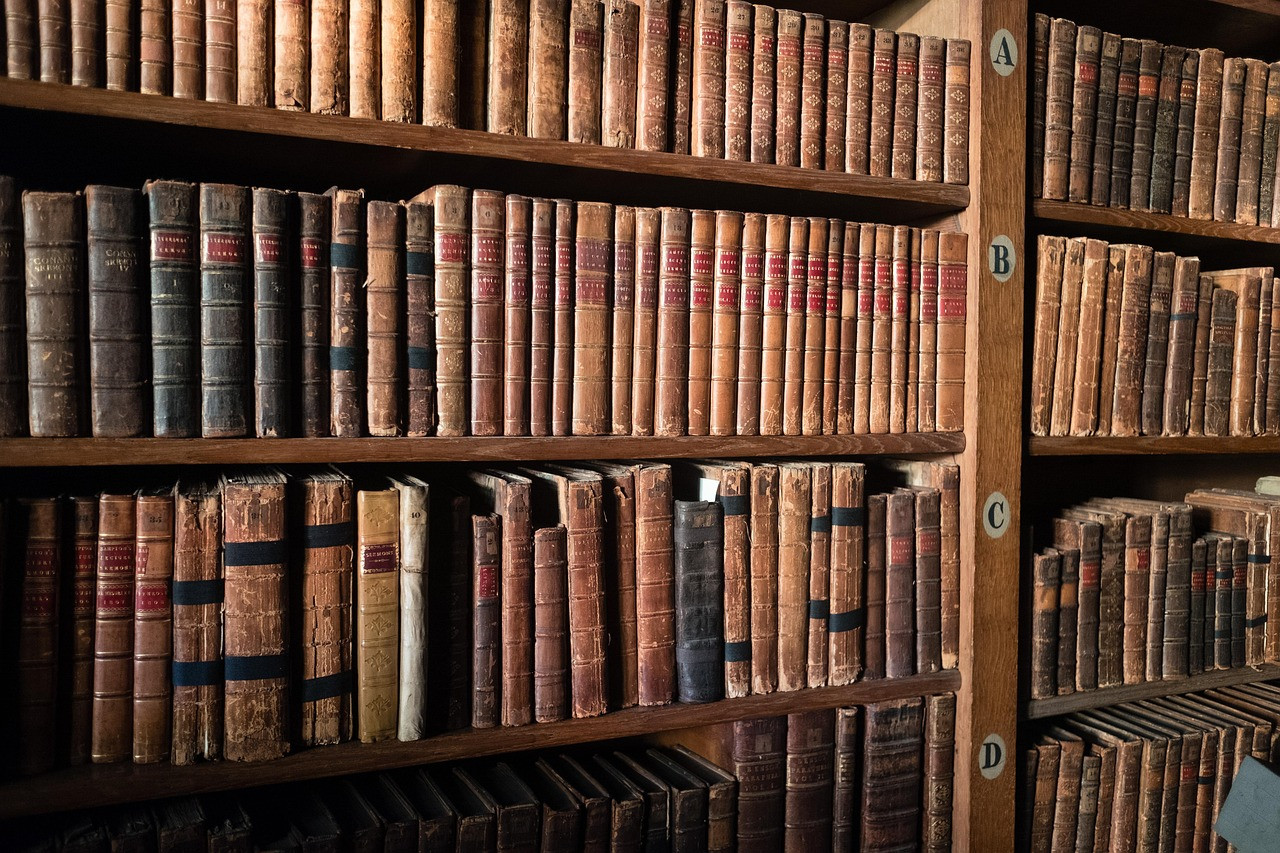
Representative image: hgenthe / Pixabay
The Education Ministry has approved five Centres of Excellence for classical Assamese, Bengali, Marathi, Pali and Prakrit, per an October 1, 2026 memorandum.
What Happened
The Union Ministry of Education has approved five Centres of Excellence for the study of the classical languages Assamese, Bengali, Marathi, Pali and Prakrit, each hosted by an established university or research institute. The decision was set out in an office memorandum of the ministry's Department of Higher Education, Language Division, dated October 1, 2026, and was reported from October 3. The centres will work on research, digitisation, preservation and wider dissemination of the literature and heritage of these languages. The chief ministers of Odisha and Assam publicly welcomed the centres in their states.
Key Facts
- Classical Assamese: Tezpur University, Assam.
- Classical Bengali: Visva-Bharati University, West Bengal.
- Classical Marathi: Deccan College Post-Graduate and Research Institute (Deemed to be University), Pune, Maharashtra.
- Classical Pali: Central University of Odisha.
- Classical Prakrit: Central University of Gujarat.
- The centres are meant to support research, digitisation, preservation and dissemination of each language's heritage.
- The approval is recorded in an office memorandum dated October 1, 2026, according to reports.
- The five languages were granted classical language status by the Union Cabinet in October 2024.
Why It Matters
Classical language status is more than an honour. It recognises that a language has a long, independent literary tradition with ancient texts worth studying. But status alone does not produce scholars, catalogues or translations. Centres of Excellence are the institutional step that turns recognition into sustained academic work: research posts, projects to digitise old manuscripts and inscriptions, and programmes that make the material available to students and the public.
Each centre is placed in the region where the language is rooted: Assamese in Assam, Bengali in West Bengal, Marathi in Pune, Pali in Odisha and Prakrit in Gujarat. That puts the work close to local manuscript collections, scholars and communities of speakers and readers.
Pali and Prakrit are especially significant for anyone interested in India's knowledge systems. Pali is the language of the early Buddhist canon, and Prakrit languages carry a large part of the Jain scriptural tradition as well as early inscriptions and literature. Much of what is known about ancient Indian philosophy, ethics, grammar and everyday life outside the Sanskrit tradition comes from texts in these languages. Dedicated centres in Odisha and Gujarat can bring these texts into university teaching and research, and help digitise and translate material that is often hard for students to access.
For the new centres, the practical test will be what they produce: critical editions, searchable digital archives, trained young researchers and translations that let a wider audience read these works. The reports so far do not give funding figures or start dates, which the ministry and host institutions are expected to set out.
| Language | Host institution | State |
|---|---|---|
| Assamese | Tezpur University | Assam |
| Bengali | Visva-Bharati University | West Bengal |
| Marathi | Deccan College Post-Graduate and Research Institute | Maharashtra |
| Pali | Central University of Odisha | Odisha |
| Prakrit | Central University of Gujarat | Gujarat |
Impact
Short-term: The five host institutions will begin setting up the centres, and students and researchers can look out for new posts, fellowships and courses.
Long-term: Sustained work on digitising, editing and translating classical texts could make Assamese, Bengali, Marathi, Pali and Prakrit literature far more accessible to scholars and the public.
Who is affected: Researchers and students of Indian languages, Buddhist and Jain studies, manuscript libraries and archives, and readers who want access to classical literature.
Key Takeaway
The Education Ministry has approved five Centres of Excellence to research and digitise classical Assamese, Bengali, Marathi, Pali and Prakrit, turning their 2024 classical status into lasting academic work.
Questions and Answers
Which classical languages get new Centres of Excellence?
Assamese, Bengali, Marathi, Pali and Prakrit, hosted respectively by Tezpur University, Visva-Bharati, Deccan College in Pune, the Central University of Odisha and the Central University of Gujarat.
What will the Centres of Excellence do?
According to the ministry's approval, they will support research, digitisation, preservation and dissemination of the heritage of each language.
When did these languages become classical languages?
The Union Cabinet granted classical language status to Assamese, Bengali, Marathi, Pali and Prakrit in October 2024.
Why are Pali and Prakrit important for Indian knowledge traditions?
Pali is the language of the early Buddhist canon and Prakrit carries much of the Jain scriptural tradition and early inscriptions, so both are key to understanding ancient Indian thought beyond Sanskrit.
Disclaimer: Prepared by the Peepals newsroom from publicly available sources with AI assistance. Information is accurate to the best of our knowledge at the time of publication and may change. Images may be representative. Not professional advice. Report an error via our contact page.
Sourced and fact-checked by the Peepals Global Editorial Team
MP Ayush interns step up stipend protest, seek Rs 21,500 parity with MBBS
Varied diets linked to lower odds of rheumatoid arthritis in ICMR-NIN study
Reported, fact-checked and published by the Peepals Global Editorial Team.