
Indraprastha Communique: SCO civilisational forum ends with heritage roadmap
 By Devansh TiwariKnowledge Systems Writer, Peepals Sanskriti
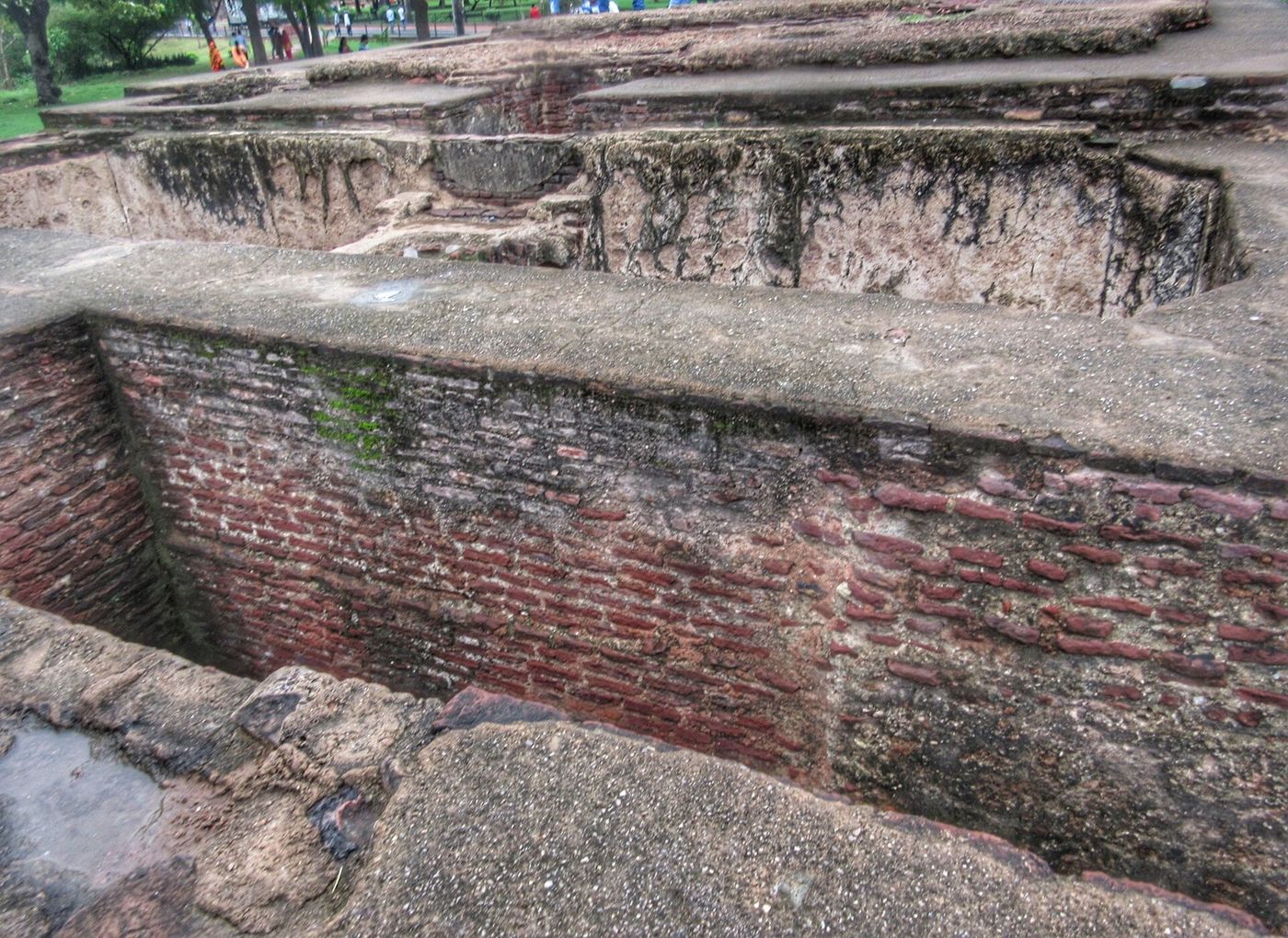
File photo: Atul Kumar Vaibhav (CC BY-SA 4.0), via Wikimedia Commons
The first SCO Civilisational Dialogue Forum ended in Delhi on 22 November 2026 with the Indraprastha Communique on heritage protection and joint UNESCO bids.
Indraprastha Communique: what happened
Indraprastha Communique: the first Shanghai Cooperation Organisation (SCO) Civilisational Dialogue Forum ended in New Delhi on Sunday, 22 November 2026, with member countries adopting an outcome document named the Indraprastha Communique. Union Culture Secretary Vivek Aggarwal announced its adoption at the close of the forum, held at Purana Qila. The communique affirms "respecting every civilisation as an equal voice", calls for protecting cultural heritage, including from illicit trafficking and natural disasters, and counts knowledge systems passed down through generations as part of that heritage. It also urges participating countries to consider joint nominations for UNESCO heritage recognition.
Indraprastha Communique: key facts
- The forum opened on 20 November and closed on 22 November 2026 at Purana Qila, New Delhi, with India as host.
- 116 delegates from 22 countries took part, including four ministers and SCO Secretary-General Nurlan Yermekbayev.
- The communique defines cultural heritage widely: monuments, manuscripts, literature, art, living traditions, cuisine, performing arts, creative work and knowledge systems.
- It highlights technology, including artificial intelligence, as a way to make heritage more accessible.
- It encourages joint UNESCO nominations; the Culture Secretary said which countries join and which nominations go ahead depend on future talks.
- Aggarwal called it "not exactly a negotiated document, it is an outcome document" setting a roadmap.
- Asked about Pakistan, he said: "No, there were no formal bilateral talks between the two sides."
Indraprastha Communique: why it matters
The forum grew out of a proposal by Prime Minister Narendra Modi at the SCO summit in Tianjin, China, in 2025 for a dedicated platform on civilisational dialogue within the SCO, a grouping better known for security and trade. With the communique, that idea now has a written basis and a stated direction of travel.
For readers interested in India's knowledge traditions, the most significant line is the definition of heritage. By naming manuscripts and "knowledge systems passed on through generations" alongside monuments and art, the document treats inherited learning, such as traditional sciences, philosophy and craft knowledge, as heritage to be protected and shared, not only as history. That matches the direction of India's own work on manuscripts and traditional knowledge, and it gives such projects an international frame for cooperation with other SCO countries.
The call for joint UNESCO nominations is practical. Many traditions cross today's borders: the same music, textile or culinary practice may be alive in several countries. A joint nomination lets countries present a shared tradition together. But the Culture Secretary's own caution matters: the document is not a binding agreement, and the choice of partners and nominations is left for later.
The reference to heritage trafficking addresses a real problem for countries that have lost manuscripts, idols and artefacts to illegal trade. Cooperation on tracing and returning such objects is one area where an outcome document could lead to concrete steps.
Peepals timeline: 2025, Prime Minister Modi proposes a civilisational dialogue platform at the SCO summit in Tianjin; Friday, 20 November 2026, the first SCO Civilisational Dialogue Forum opens at Purana Qila; Sunday, 22 November 2026, the forum ends with the Indraprastha Communique, attended by 116 delegates from 22 countries, an average of just over five delegates a country (116 ÷ 22 ≈ 5.3, our calculation from the reported figures).
Indraprastha Communique: impact
Short-term: The communique gives the Culture Ministry and SCO partners an agreed list of priorities, heritage protection, technology for access and shared nominations, to turn into programmes.
Long-term: If joint UNESCO nominations and anti-trafficking cooperation follow, shared traditions across the SCO region could gain wider recognition and protection, and manuscript and knowledge-system projects could find foreign partners.
Who is affected: Researchers and institutions working on manuscripts and traditional knowledge; museums and heritage bodies; artists and practitioners of shared traditions; and the Culture Ministry, which now has to follow up on the roadmap.
Indraprastha Communique: key takeaway
The Indraprastha Communique is a roadmap, not a treaty: the real test is whether joint UNESCO nominations and anti-trafficking cooperation follow in the coming year.
Indraprastha Communique: questions and answers
What is the Indraprastha Communique?
It is the outcome document adopted on 22 November 2026 at the end of the first SCO Civilisational Dialogue Forum in New Delhi, setting out shared principles and a roadmap on culture and heritage.
Does the Indraprastha Communique bind SCO countries?
No. The Culture Secretary described it as an outcome document rather than a negotiated agreement, and said decisions on joint UNESCO nominations will depend on future discussions.
How many countries attended the SCO Civilisational Dialogue Forum?
116 delegates from 22 countries, including four ministers and SCO Secretary-General Nurlan Yermekbayev.
Did India and Pakistan hold talks at the forum?
The Culture Secretary said there were no formal bilateral talks between the two sides.
Disclaimer: Prepared by the Peepals newsroom from publicly available sources with AI assistance. Information is accurate to the best of our knowledge at the time of publication and may change. Images may be representative. Not professional advice. Report an error via our contact page.
By Devansh Tiwari, Knowledge Systems WriterCovers Knowledge Systems and more for Peepals Sanskriti. All stories by Devansh Tiwari
Homeopathy regulation in Germany 'ethically inappropriate', 28-interview study finds
Karachi Bakery licence suspended: TG SAFE finds mislabelled dates, pests
Your week ahead, every Sunday. Free.
Exam and result dates, IPOs opening, scheme deadlines, government holidays and the RBI decision for the next 7 days, plus the week's top stories. One email a week, unsubscribe in one click.
Devansh Tiwari is a pen name of the Peepals Global Editorial Team, which researches, fact-checks and publishes every story. The portrait is an illustration.
Responsible for this story: the Peepals Global Editorial Team, led by editor Prashant Sonar. How we report