
IITF 2026: Chhattisgarh shows gold-lettered 16th-century Gita manuscript
 By Devansh TiwariKnowledge Systems Writer, Peepals Sanskriti
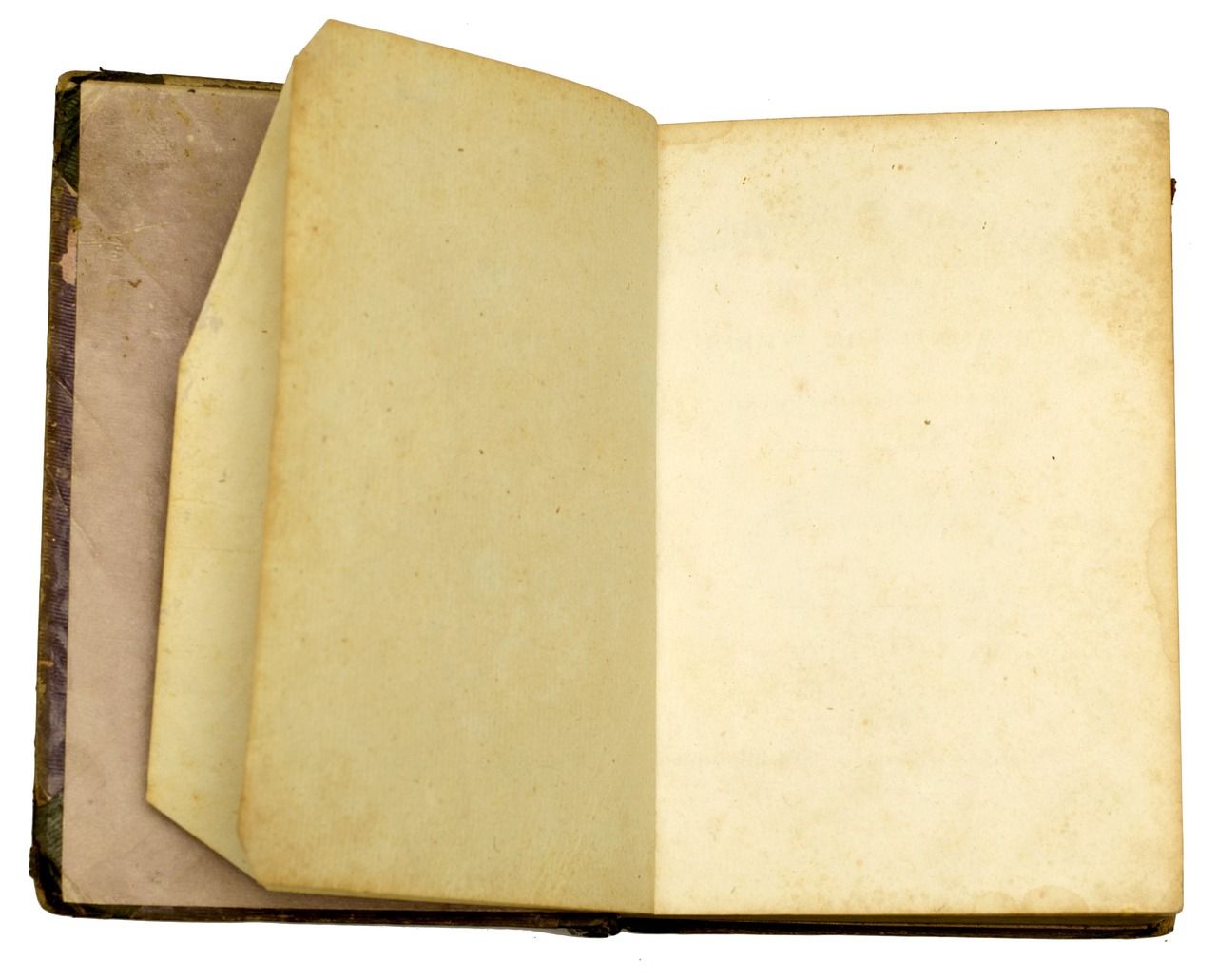
Representative image: Humusak / Pixabay
Chhattisgarh's IITF 2026 pavilion in Delhi shows a 16th-century Gita in gold letters and a 1735 copper plate until 27 November, the state said on 16 November.
IITF 2026 Chhattisgarh pavilion: what happened
A 16th-century manuscript of the Srimad Bhagavad Gita written in gold letters is on display at the Chhattisgarh pavilion of the 45th India International Trade Fair (IITF) at Bharat Mandapam in New Delhi, the Chhattisgarh government said in a release carried on Monday, 16 November 2026. The pavilion also shows a Maratha-period copper plate dated 1735, palm-leaf manuscripts, and rare manuscripts linked to the Ramayana and to Ayurveda. The state describes the Gita manuscript as belonging to the period of Rani Durgavati, the ruler of Gondwana. The fair runs until 27 November, and the pavilion is on the first floor of Hall 4.
IITF 2026 Chhattisgarh pavilion: key facts
- Event: 45th India International Trade Fair at Bharat Mandapam, New Delhi, ending on 27 November 2026.
- Main exhibit: a 16th-century Srimad Bhagavad Gita manuscript in gold lettering.
- Period: the state links the manuscript to the time of Rani Durgavati of Gondwana; it does not say she owned or commissioned it.
- Second exhibit: a Maratha-era copper plate inscription dated 1735.
- Other items: palm-leaf manuscripts and manuscripts connected with the Ramayana and Ayurveda.
- Location: Chhattisgarh pavilion, Hall 4, first floor, stall 4F-03-A.
IITF 2026 Chhattisgarh pavilion: why it matters
Trade fairs are usually about products, but Chhattisgarh has chosen to put its written heritage at the centre of its pavilion. Manuscripts and copper plates are among the most direct records of how knowledge was kept in India before print. The state's release notes that copper plates were used to record important inscriptions, royal orders and other historical details.
Showing such pieces to the large crowds that visit the fair takes them out of archive storerooms and in front of people who would rarely see them. That fits the wider national effort to find and record India's manuscripts under the Ministry of Culture's Gyan Bharatam Mission, which aims to make more than one crore manuscripts available to the public. Uttar Pradesh, for example, launched a district-level digitisation drive under the mission in February 2026, with manuscripts staying in the custody of their owners; six institutions in the state had scanned about 7.56 lakh pages from 15,890 manuscripts by September 2026, the Uttar Pradesh government said on 13 October.
What the exhibition does not offer is scholarly detail. The state's release does not say which archive or museum holds the Gita manuscript, who wrote it, which script it uses, or how its date was worked out. Readers should treat the 16th-century date and the link to Rani Durgavati's era as the state's description, not as the finding of a published study. The same is true of the copper plate: the release gives its year and its Maratha-period origin, but not what it records.
Peepals timeline: the dates the sources give run like this. The Gita manuscript is described as 16th-century, from the time of Rani Durgavati of Gondwana. The copper plate is dated 1735, in the Maratha period, which makes it about 291 years old this year (2026 − 1735 = 291). In 2026, Uttar Pradesh began its district-level manuscript drive under the Gyan Bharatam Mission in February and its progress was reported on 13 October; the IITF opened in mid-November, and the state's release on the pavilion followed on 16 November.
| Exhibit | Date given | What it is |
|---|---|---|
| Srimad Bhagavad Gita manuscript | 16th century | Written in gold letters |
| Copper plate inscription | 1735 | Maratha-period record |
| Palm-leaf manuscripts | Not given | Written on palm leaves |
| Ramayana and Ayurveda manuscripts | Not given | Rare texts on epic and medicine |
IITF 2026 Chhattisgarh pavilion: impact
Short-term: Visitors to the IITF can see the manuscripts at the Chhattisgarh pavilion until 27 November. The exhibits give the state's pavilion a cultural draw alongside its products and crafts.
Long-term: Public displays like this can help build interest in the slow work of finding, conserving and digitising manuscripts, much of which is held by families, temples and small institutions. Whether these particular items are digitised and studied in detail will decide how much they add to scholarship.
Who is affected: Visitors to the trade fair, students and researchers of manuscripts and inscriptions, and institutions in Chhattisgarh that hold such collections.
What to watch next: The fair closes on 27 November 2026.
IITF 2026 Chhattisgarh pavilion: key takeaway
If you are visiting the trade fair before 27 November, Hall 4's first floor has rare written heritage on show; for scholarly detail, look for the holding archive's own catalogue rather than the fair label.
IITF 2026 Chhattisgarh pavilion: questions and answers
Where exactly is the gold-lettered Gita manuscript at the IITF?
It is in the Chhattisgarh pavilion on the first floor of Hall 4 at Bharat Mandapam, New Delhi, at stall 4F-03-A, according to the state's release.
Is the manuscript connected to Rani Durgavati herself?
The state links it only to her period, describing it as from the era of the Gondwana ruler. It does not claim that she wrote, owned or commissioned it.
Why were copper plates used for records?
According to the state's release, copper plates were used to record important inscriptions, royal orders and other historical details. The 1735 plate on show is from the Maratha period.
Are these manuscripts part of the Gyan Bharatam Mission?
The state's release does not say. The mission is a national programme to survey and digitise manuscripts, aiming to make more than one crore of them available to the public.
Disclaimer: Prepared by the Peepals newsroom from publicly available sources with AI assistance. Information is accurate to the best of our knowledge at the time of publication and may change. Images may be representative. Not professional advice. Report an error via our contact page.
By Devansh Tiwari, Knowledge Systems WriterCovers Knowledge Systems and more for Peepals Sanskriti. All stories by Devansh Tiwari
Acupoint thread embedding: 3 kg extra weight loss in women, trial finds
India, Burkina Faso traditional medicine talks: Ayush proposes MoU, plant project
Your week ahead, every Sunday. Free.
Exam and result dates, IPOs opening, scheme deadlines, government holidays and the RBI decision for the next 7 days, plus the week's top stories. One email a week, unsubscribe in one click.
Devansh Tiwari is a pen name of the Peepals Global Editorial Team, which researches, fact-checks and publishes every story. The portrait is an illustration.
Responsible for this story: the Peepals Global Editorial Team, led by editor Prashant Sonar. How we report