
Raghukula Sampada: rare manuscripts e-library opens at Jammu's Raghunath temple
 By Devansh TiwariKnowledge Systems Writer, Peepals Sanskriti

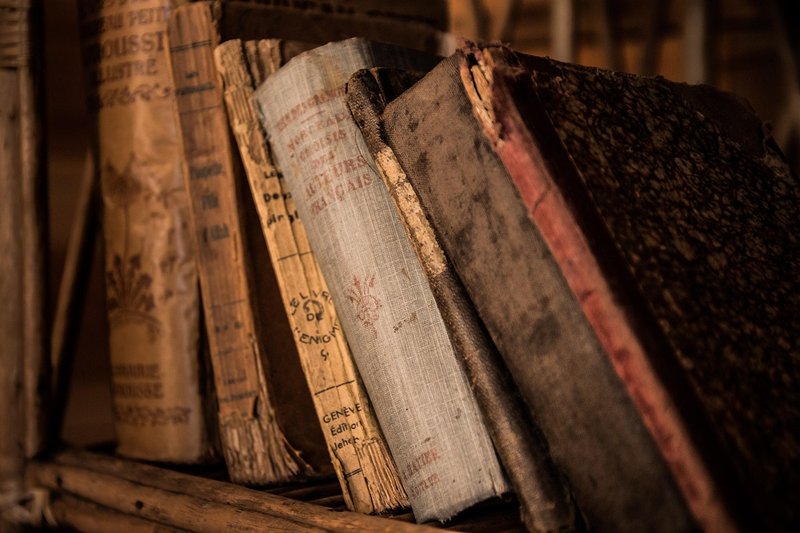
Representative image: 13741502 / Pixabay
A manuscripts repository and e-library, Raghukula Sampada, opened at Jammu's Raghunath temple institute on 18 November 2026 with a new scholarly text series.
Raghukula Sampada: what happened
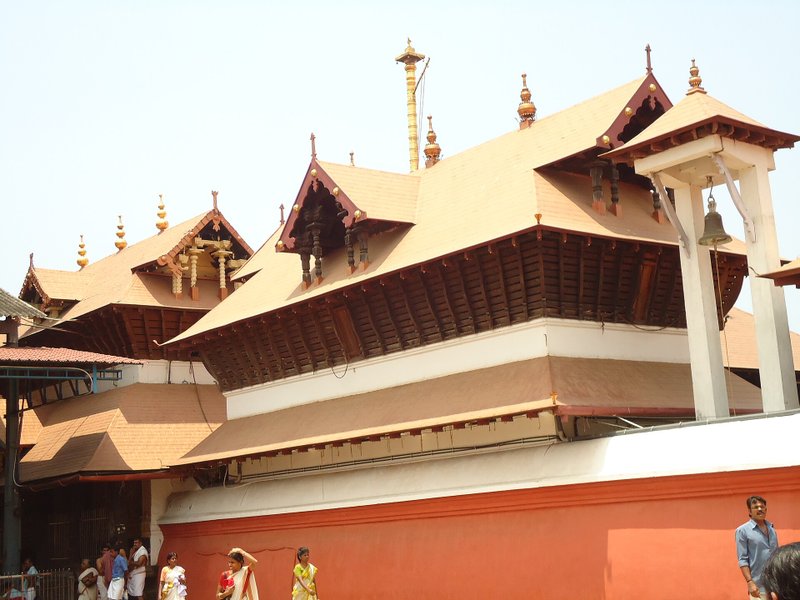
A rare manuscripts repository and e-library named "Raghukula Sampada" was inaugurated on Wednesday, 18 November 2026 at the Shri Maharaja Ranbir Singh Sanskrit Research Institute on the premises of the Shri Raghunath Ji Temple in Jammu. The facility, run under the Jammu and Kashmir Dharmarth Trust, was opened by Union Culture Secretary Vivek Aggarwal in the presence of the trust's chairman, Dr Karan Singh, and trustees. At the same event the trust unveiled the "Jammu Series of Texts and Studies", a publication programme meant to bring out scholarly editions based on rare manuscripts.
Raghukula Sampada: key facts
- Name: Raghukula Sampada, a rare manuscripts repository and e-library.
- Place: Shri Maharaja Ranbir Singh Sanskrit Research Institute, Shri Raghunath Ji Temple complex, Jammu.
- Inaugurated on 18 November 2026 by Vivek Aggarwal, Secretary, Union Ministry of Culture.
- Run under the Jammu and Kashmir Dharmarth Trust, chaired by Dr Karan Singh.
- New publication line: the Jammu Series of Texts and Studies, for scholarly work based on rare manuscripts.
- Dr Karan Singh presented the Culture Secretary with an 11-volume edition of the Srimad Bhagavadgita carrying 21 commentaries and a 14-volume Tantra series produced with the publisher Motilal Banarsidass.
- A British Library Endangered Archives Programme record lists about 6,000 manuscripts in the Raghunath Temple library, about 2,000 of them digitised under that project.
Raghukula Sampada: why it matters
India's knowledge traditions survive mostly in handwritten manuscripts: texts on philosophy, grammar, astronomy, medicine, ritual and law, copied by hand over centuries on birch bark, palm leaf and paper. Many sit in temple libraries, monasteries and private homes, where heat, damp and insects slowly destroy them. A repository with proper storage and an e-library attached does two jobs at once: it protects the physical manuscripts and makes digital copies available to scholars who cannot travel to Jammu.
The Raghunath Temple library is known among Sanskritists for its collection, including Sanskrit manuscripts in the Sharada script, an old script of Kashmir. The Shri Maharaja Ranbir Singh Sanskrit Research Institute carries the name of Maharaja Ranbir Singh, one of the Dogra rulers of Jammu and Kashmir. At the inauguration, Dr Karan Singh spoke about the role of the Dogra rulers, especially Maharaja Gulab Singh and Maharaja Ranbir Singh, in building the cultural and educational institutions of Jammu and Kashmir.
The Jammu Series of Texts and Studies is the part that could matter most for scholarship. Preservation keeps a manuscript safe; a critical edition, in which scholars compare copies, correct errors and publish a reliable printed text with notes, is what lets a text be read, taught and cited. Many texts in regional collections have never been edited this way. The Culture Secretary also stressed protecting manuscripts through both scholarship and modern preservation methods, and toured the library's collection after the opening.
Peepals calculation: If about 2,000 of the library's roughly 6,000 manuscripts were digitised under the British Library project, that is about one in three (2,000 ÷ 6,000 = 0.33), leaving about 4,000 that the new e-library could still bring online. Our calculation from the reported figures.
| Item | Detail |
|---|---|
| Facility | Raghukula Sampada repository and e-library |
| Location | Raghunath Ji Temple complex, Jammu |
| Opened | 18 November 2026 |
| Opened by | Vivek Aggarwal, Union Culture Secretary |
| Run by | J&K Dharmarth Trust, chaired by Dr Karan Singh |
Raghukula Sampada: impact
Short-term: Scholars and students of Sanskrit and Kashmiri traditions gain a dedicated repository and digital access point in Jammu, and the new series gives the trust a way to publish editions of its manuscripts.
Long-term: Systematic storage, digitisation and editing can keep texts available that would otherwise be lost to decay, and can add Jammu's collection to national manuscript efforts.
Who is affected: Sanskrit and Indology scholars, universities, temple and heritage trusts with manuscript holdings, and readers interested in Jammu and Kashmir's intellectual history.
Raghukula Sampada: key takeaway
Researchers working on Sanskrit, Sharada-script or Dogra-era texts should watch for the first titles of the Jammu Series of Texts and Studies and for the e-library's access arrangements.
Raghukula Sampada: questions and answers
What is Raghukula Sampada?
It is a rare manuscripts repository and e-library at the Shri Maharaja Ranbir Singh Sanskrit Research Institute in the Shri Raghunath Ji Temple complex in Jammu, run under the J&K Dharmarth Trust.
Who opened the Raghunath Temple manuscripts repository?
Union Culture Secretary Vivek Aggarwal inaugurated it on 18 November 2026, with the trust's chairman, Dr Karan Singh, present.
What is the Jammu Series of Texts and Studies?
It is a publication initiative launched at the same event to promote scholarly publications based on the rare manuscripts held in the collection.
What is the Sharada script?
Sharada is an old script used in Kashmir and nearby regions for writing Sanskrit and other languages. The Raghunath Temple library is known for holding Sanskrit manuscripts written in it.
Disclaimer: Prepared by the Peepals newsroom from publicly available sources with AI assistance. Information is accurate to the best of our knowledge at the time of publication and may change. Images may be representative. Not professional advice. Report an error via our contact page.
By Devansh Tiwari, Knowledge Systems WriterCovers Knowledge Systems and more for Peepals Sanskriti. All stories by Devansh Tiwari
National Institute of Unani Medicine: Ayush Minister seeks timelines, wider reach
Guruvayur Ekadasi 2026 on November 21: no special darshan 5 am to 5 pm
Your week ahead, every Sunday. Free.
Exam and result dates, IPOs opening, scheme deadlines, government holidays and the RBI decision for the next 7 days, plus the week's top stories. One email a week, unsubscribe in one click.
Devansh Tiwari is a pen name of the Peepals Global Editorial Team, which researches, fact-checks and publishes every story. The portrait is an illustration.
Responsible for this story: the Peepals Global Editorial Team, led by editor Prashant Sonar. How we report