

Eating after dinner linked to 20-30% more liver disease in study of 200,000
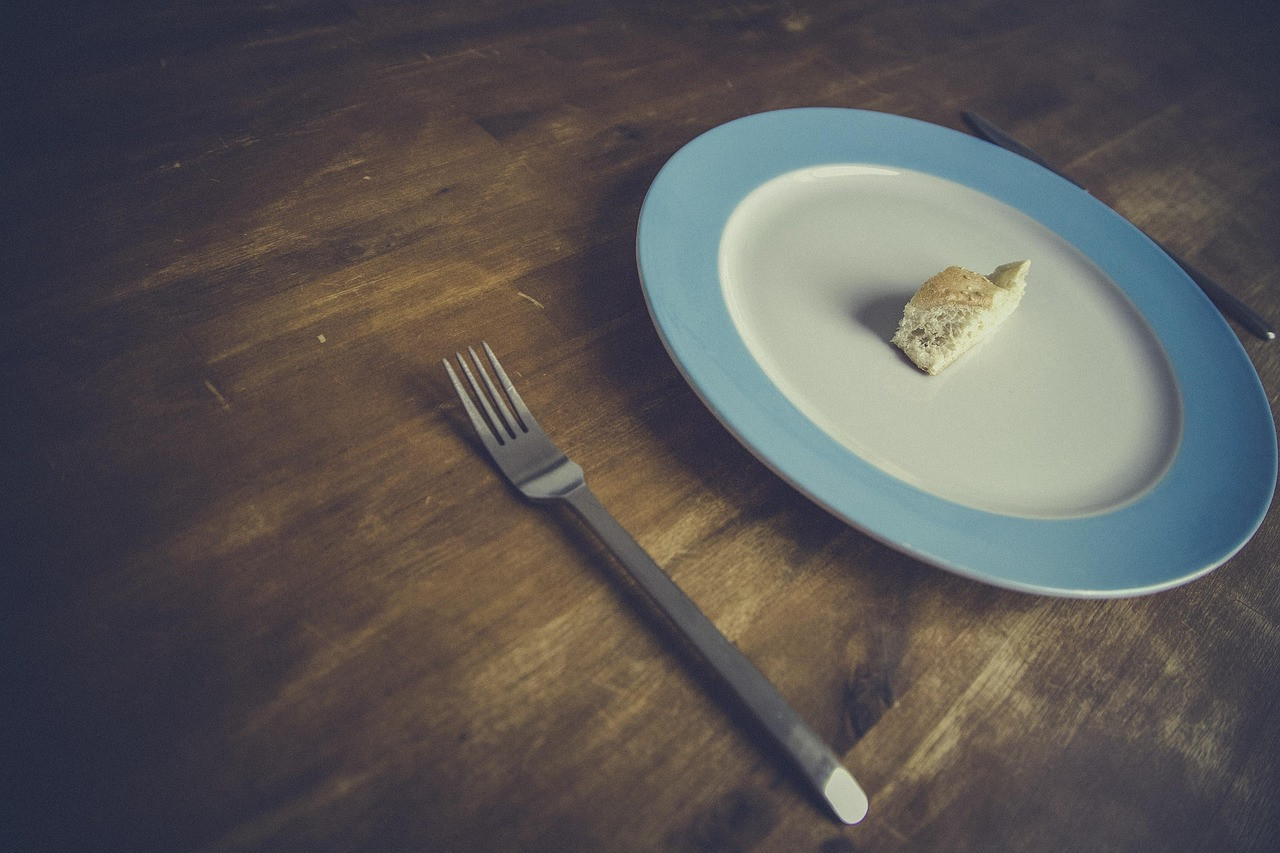
Representative image: Pexels / Pixabay
An OHSU-led study announced October 9, 2026 linked eating after dinner or bedtime to a 20-30% higher rate of liver disease among almost 200,000 people.
What Happened
People who regularly eat after dinner or after going to bed had a 20 to 30 per cent higher rate of liver disease than those who did not, according to a study led by Oregon Health and Science University (OHSU) in the United States. The findings were published in the journal Clinical Gastroenterology and Hepatology and announced by OHSU on Friday, October 9, 2026. The researchers analysed self-reported diet and lifestyle data from almost 200,000 people in three long-running American health studies and looked for links with fatty liver disease and cirrhosis.
Key Facts
- Lead author: Dr Robert Wilechansky, a hepatologist at OHSU; co-authors include OHSU sleep and circadian scientist Andrew McHill and researchers from Massachusetts General Hospital.
- Data came from the Nurses' Health Study, the Nurses' Health Study II and the Health Professionals Follow-up Study, covering almost 200,000 participants.
- Late-night eating was defined as eating after dinner or after bedtime.
- People who reported eating late at night showed a 20 to 30 per cent increase in all forms of liver disease compared with those who did not.
- The study is observational, and the researchers said it does not prove that late eating causes liver disease.
- Dr Wilechansky noted that only a small share of people with fatty liver disease go on to develop serious forms such as cirrhosis.
- OHSU is now recruiting for a clinical trial to test whether eating earlier in the day improves measures of fatty liver disease.
Why It Matters
Most everyday advice for protecting the liver focuses on what people eat and how much. This study adds a different question: when they eat.
The question of timing links the study to research on the body's internal clock; one of its co-authors is a sleep and circadian scientist. The large size of the data set, close to 200,000 people followed over years, gives the link some weight, even though it cannot settle cause and effect. Late eaters may also differ in sleep, alcohol use or overall diet in ways that the analysis cannot fully separate.
That is why the planned clinical trial matters. By asking volunteers to shift their eating earlier and then measuring liver health, researchers can test whether timing itself makes a difference.
For readers interested in heritage-based daily routines that place weight on regular meal times, the study offers modern data on one specific habit. Its practical message is modest and low-risk: avoiding regular snacking after dinner and in the hours before sleep is a simple change that most people can try, alongside the better-established steps of eating a balanced diet, staying active and limiting alcohol.
| Study detail | What the researchers reported |
|---|---|
| Participants | Almost 200,000 from three US health studies |
| Habit studied | Eating after dinner or after bedtime |
| Finding | 20% to 30% higher rate of all forms of liver disease |
| Limitation | Observational; cause not proven |
| Next step | OHSU trial on earlier eating and fatty liver |
Impact
Short-term: The findings give people a simple habit to reconsider, late-night snacking, while the evidence is still being tested.
Long-term: If the planned trial shows that eating earlier improves liver measures, meal timing could become a standard part of advice for preventing and managing fatty liver disease.
Who is affected: People who eat late at night, including shift workers and those with late working hours, people with or at risk of fatty liver disease, and doctors and dietitians who advise them.
Key Takeaway
A study of almost 200,000 people published in October 2026 linked eating after dinner or after bedtime to a 20 to 30 per cent higher rate of liver disease, though it does not prove late eating is the cause.
Questions and Answers
What did the OHSU study find about late-night eating?
People who reported eating after dinner or after bedtime had a 20 to 30 per cent higher rate of all forms of liver disease, including fatty liver disease and cirrhosis, than those who did not.
Does this prove that eating late damages the liver?
No. The study is observational and the researchers said causation is unproven. A clinical trial at OHSU will test whether eating earlier actually improves liver health.
How many people were studied?
The researchers used data from almost 200,000 participants in the Nurses' Health Study, the Nurses' Health Study II and the Health Professionals Follow-up Study.
What can I do based on these findings?
A low-risk step is to avoid regular eating after dinner and close to bedtime, while continuing proven habits such as a balanced diet, physical activity and limiting alcohol. Anyone with liver concerns should consult a doctor.
Disclaimer: Prepared by the Peepals newsroom from publicly available sources with AI assistance. Information is accurate to the best of our knowledge at the time of publication and may change. Images may be representative. Not professional advice. Report an error via our contact page.
Sourced and fact-checked by the Peepals Global Editorial Team
Kerala Ayush admissions: second-phase final allotment out, join colleges by October 14
Rajnath Singh calls for compulsory Vedic maths and Sanskrit in UP schools
Reported, fact-checked and published by the Peepals Global Editorial Team.