

Overweight dementia patients lived longer than normal-weight peers, US study finds
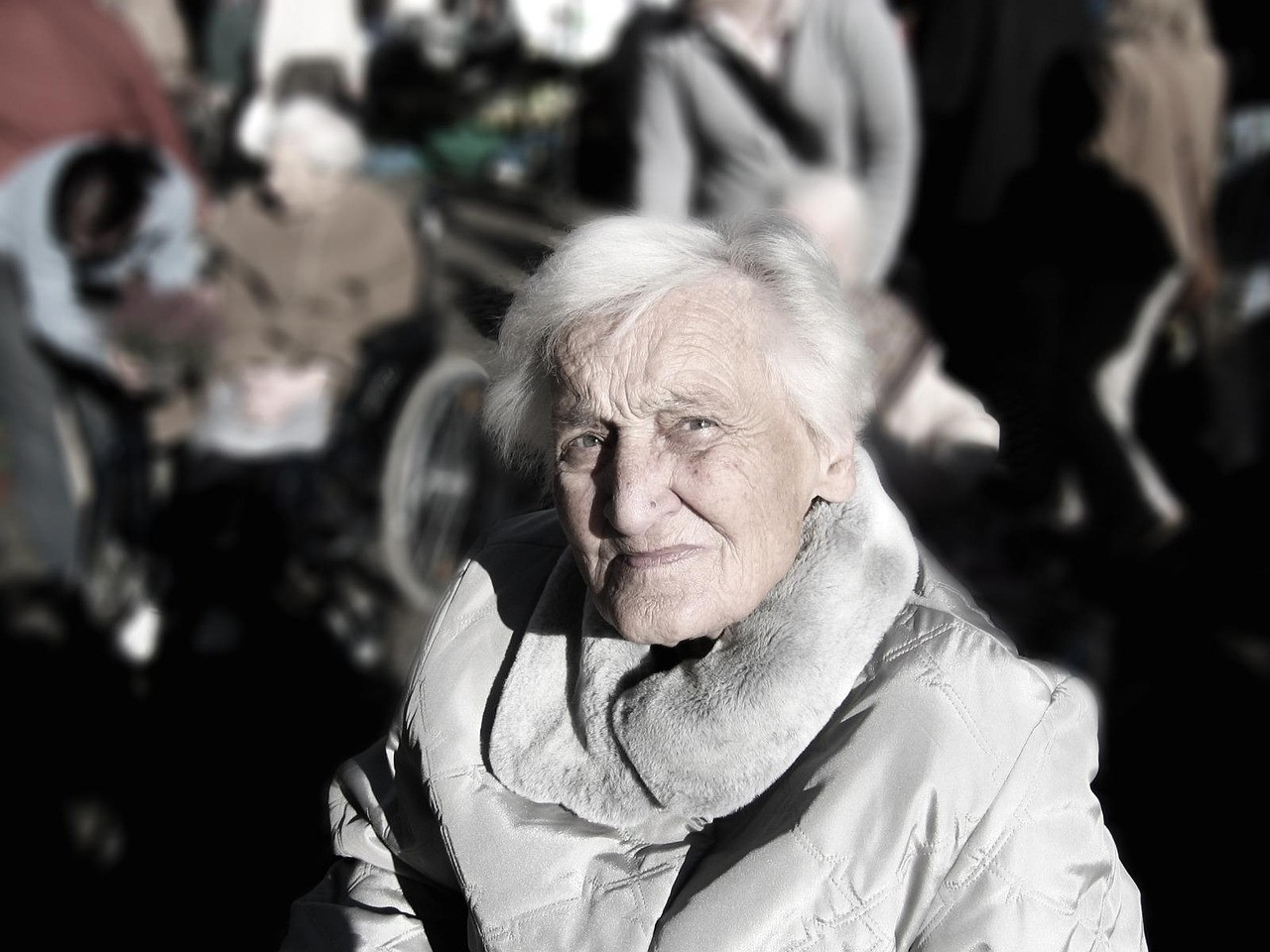
Representative image: geralt / Pixabay
A NYU-Columbia study of 4,523 people, announced October 5, 2026, found up to 27% lower death risk among those overweight or obese at dementia diagnosis.
What Happened
People who were overweight or obese when they were diagnosed with dementia went on to live longer than people of normal weight, according to a study by researchers at New York University and Columbia University published in the Journal of Alzheimer's Disease and announced by the universities on October 5, 2026. The team analysed United States survey data on 4,523 adults who were free of dementia when first assessed and were later diagnosed with it, over the 24 years from 1998 to 2022. Compared with normal weight, being overweight at diagnosis was linked to a 16% lower risk of death, class 1 obesity to a 27% lower risk and more severe obesity to a 22% lower risk. The authors said the finding does not mean people with dementia should try to gain weight.
Key Facts
- The paper, "Body mass index and mortality in incident dementia", appears in the Journal of Alzheimer's Disease.
- First author is Virginia W. Chang of the NYU School of Global Public Health; co-authors include Yuan S. Zhang of Columbia's Mailman School of Public Health.
- Data came from the Health and Retirement Study, a long-running national survey of older adults in the United States.
- 4,523 people who later developed dementia were followed between 1998 and 2022.
- Overweight (BMI 25 to 29.9): 16% lower risk of death than normal weight. BMI 30 to 34.9: 27% lower. BMI 35 or higher: 22% lower.
- The study is observational: it shows an association, not that extra weight causes longer survival.
Why It Matters
In mid-life, extra weight is a well-known risk factor for heart disease, diabetes and, over the long run, dementia itself. Yet among people already living with dementia, this study points the other way: those carrying more weight at diagnosis survived longer. Researchers sometimes call this kind of reversal an "obesity paradox", and it has been reported before in older people with other chronic illnesses.
The authors offer possible reasons. People with more body weight may have larger energy stores or more muscle to draw on as the disease progresses, when eating often becomes difficult and weight loss is common. They also looked at whether statistical bias could explain the result, for example the possibility that heavier people with poor health die of other causes before dementia is ever diagnosed. They reported that these checks did not suggest bias was a major driver, though the exact reasons for the link remain unclear.
The practical message is about nutrition, not weight gain. Unplanned weight loss in a person with dementia is a warning sign that families and doctors already watch for. The study adds to the case for tracking weight at diagnosis and protecting food intake as the illness advances. Chang stressed that the study was not designed to test whether patients should try to become overweight or obese.
For Indian families, where most dementia care happens at home, the finding is a reminder to keep a close eye on meals, appetite and weight in an older relative after a diagnosis, and to raise any steady weight loss with a doctor.
| Weight group at diagnosis | BMI range | Change in risk of death vs normal weight |
|---|---|---|
| Overweight | 25 to 29.9 | 16% lower |
| Class 1 obesity | 30 to 34.9 | 27% lower |
| Class 2 and 3 obesity | 35 and above | 22% lower |
Impact
Short-term: Doctors and carers may pay closer attention to weight and nutrition at the time of a dementia diagnosis, treating it as a signal about how the illness may progress.
Long-term: The result invites trials on whether nutrition support that prevents weight loss can extend healthy survival in dementia, a question this study could not answer.
Who is affected: People diagnosed with dementia, family carers, geriatric doctors, dietitians and researchers planning dementia care.
Key Takeaway
Among people already diagnosed with dementia, higher body weight was linked to longer survival, which points to nutrition care rather than weight gain as the lesson.
Questions and Answers
Does this study mean being overweight protects against dementia?
No. It looked only at people who already had dementia and found that those who were heavier at diagnosis lived longer. It says nothing about preventing dementia, and mid-life obesity is still considered a risk factor for it.
Should a person with dementia try to put on weight?
The authors said no such advice follows from the study, because it was not designed to test that. Any change to diet should be discussed with a doctor or dietitian, and the main concern is avoiding unplanned weight loss.
How large was the study?
It drew on 4,523 people from a US national survey of older adults who developed dementia during a 24-year period from 1998 to 2022.
Why might heavier patients live longer?
The researchers suggest that larger energy reserves or more muscle may help people cope as dementia makes eating and staying nourished harder, but the exact reasons are not yet known.
Disclaimer: Prepared by the Peepals newsroom from publicly available sources with AI assistance. Information is accurate to the best of our knowledge at the time of publication and may change. Images may be representative. Not professional advice. Report an error via our contact page.
Sourced and fact-checked by the Peepals Global Editorial Team
Yoga plus Ayurvedic herbs eased bedwetting in children in small ITRA Jamnagar trial
Delhi's Ramlila season opens with Navratri; police brief 73 organisers on safety
Reported, fact-checked and published by the Peepals Global Editorial Team.