
Maharashtra FDA suspends 19 food licences, seizes Patanjali ghee stock
 By Devansh TiwariKnowledge Systems Writer, Peepals Sanskriti
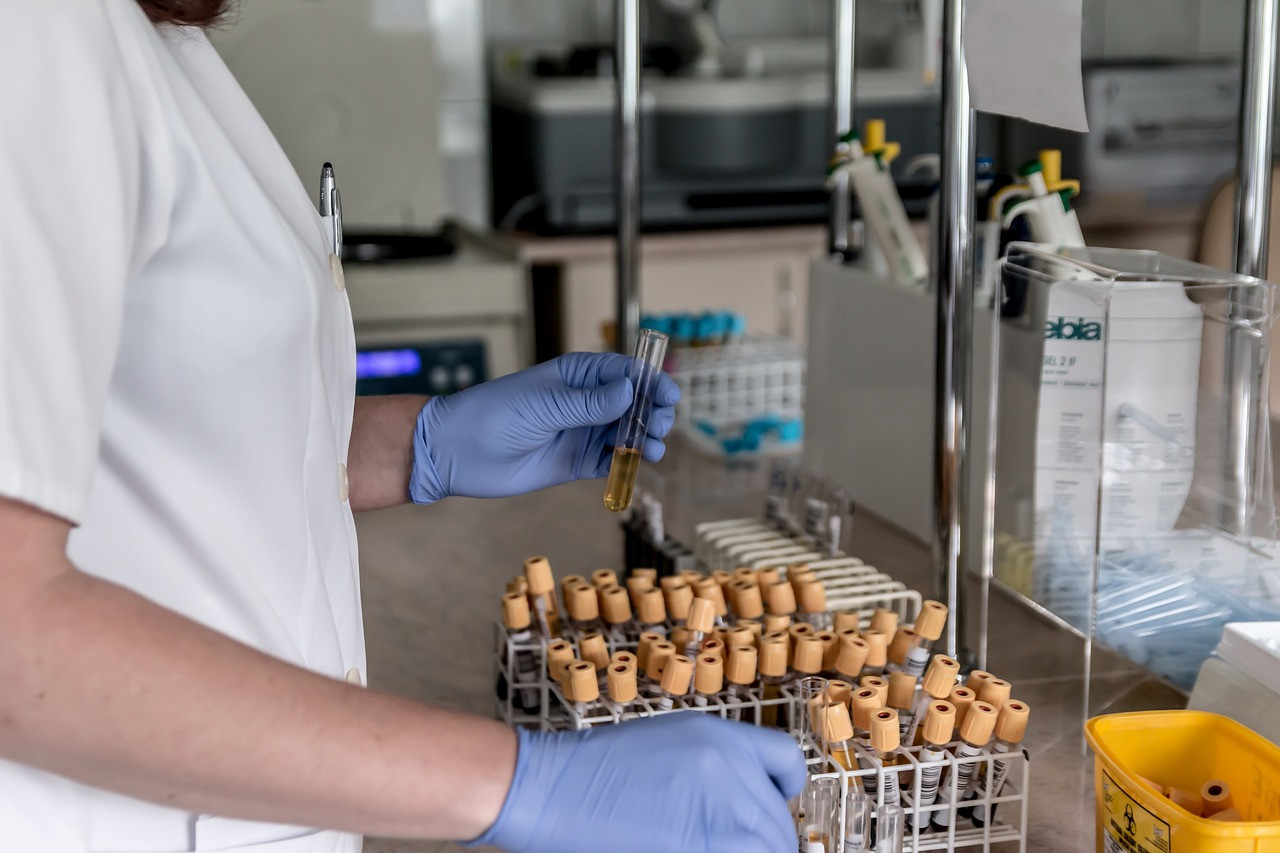
Representative image: jarmoluk / Pixabay
Maharashtra's FDA said on 2 November 2026 it suspended 19 food licences and seized Rs 9.01 crore of food, including 2,279.7 litres of Patanjali cow ghee.
What Happened
Maharashtra's Food and Drug Administration (FDA) said on Monday, 2 November 2026, that it had suspended the food licences of 19 food business operators after a statewide festive-season enforcement drive. In an official statement, the FDA said it seized about 3.53 lakh kg of food articles worth Rs 9.01 crore from 114 establishments across seven divisions of the state. Among the seizures was 2,279.7 litres of Patanjali cow ghee, worth Rs 20.20 lakh, taken from M/s Divya Mahavitarak, a super distributor of Patanjali products in Chhatrapati Sambhajinagar, on suspicion of misbranding and adulteration.
Key Facts
- Licences suspended: 19 food business operators, according to the FDA.
- Total seized: about 3.53 lakh kg of food articles worth Rs 9.01 crore, from 114 establishments in seven divisions.
- Ghee: 2,279.7 litres of Patanjali cow ghee, valued at Rs 20.20 lakh, seized from a super distributor in Chhatrapati Sambhajinagar on suspicion of misbranding and adulteration.
- Criminal action: 13 FIRs registered, 16 people arrested, seven establishments sealed and six vehicles seized, the FDA said.
- Eateries: 34 hotels, restaurants and dhabas inspected in the Nashik, Chhatrapati Sambhajinagar and Nagpur divisions, with 29 improvement notices served over hygiene and safety gaps.
- Next step: the operators have been asked to submit explanations within 30 days, according to reports of the FDA's statement.
Why It Matters
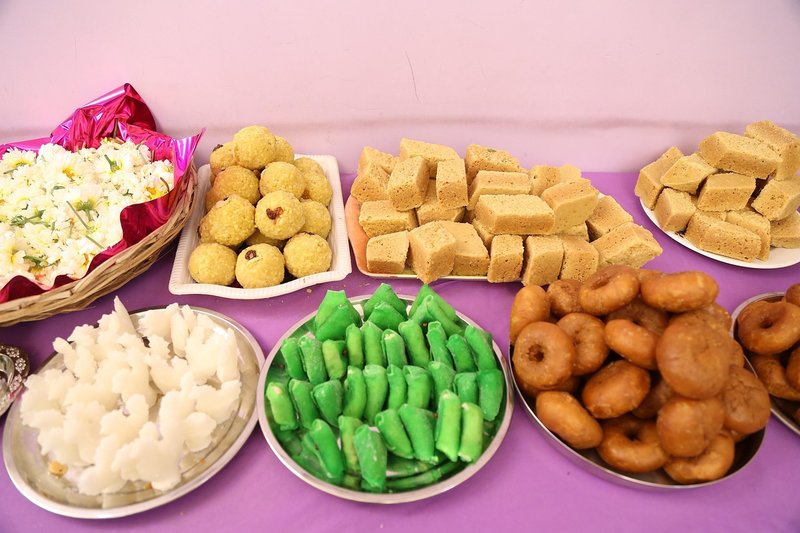
Ghee holds a special place in Indian kitchens and in heritage food traditions. It is used in daily cooking, in festival sweets and in religious offerings, and demand rises sharply between Navratri and Diwali. That seasonal spike is also when food regulators across India report the most cases of suspected adulteration in milk products such as ghee, khoya and paneer. Maharashtra's figures show the scale of that problem in one large state, and the naming of a well-known brand's distributor means the case is likely to draw attention well beyond the state.
Two terms in the FDA's statement are worth explaining. Under India's Food Safety and Standards Act, 2006, food is "adulterated" when it contains something it should not, or falls short of the prescribed standard, for example ghee mixed with cheaper fats. Food is "misbranded" when its label is false or misleading, for example about what it contains, where it comes from or who made it. A seizure on suspicion means officials have taken the stock out of circulation while samples are tested. It is not a finding that the product is unsafe. That finding comes only from laboratory analysis and, if contested, from the process the law provides.
The 19 suspended licences mean those businesses cannot legally sell food until the suspension is lifted. The FDA's request for explanations within 30 days gives the operators a chance to respond before any further action.
Peepals calculation: The seized food was worth Rs 9.01 crore for about 3.53 lakh kg, an average of roughly Rs 255 per kg (9,01,00,000 / 3,53,000 = about 255). The seized Patanjali ghee was valued at Rs 20.20 lakh for 2,279.7 litres, or about Rs 886 per litre (20,20,000 / 2,279.7 = about 886), and it made up about 2.2% of the total value seized (20.20 lakh / 901 lakh). Our calculation from the reported figures.
| Item | Figure |
|---|---|
| Licences suspended | 19 |
| Food seized | about 3.53 lakh kg |
| Value seized | Rs 9.01 crore |
| Establishments | 114, in seven divisions |
| FIRs and arrests | 13 FIRs, 16 arrests |
Impact
Short-term: The 19 operators whose licences are suspended cannot sell food until the FDA lifts the suspension. The seized stock, including the Patanjali ghee held at the Chhatrapati Sambhajinagar distributor, stays out of the market while samples are tested. The arrests and FIRs will move through the police and courts.
Long-term: The laboratory results will decide what happens next. If the samples fail, the businesses could face prosecution and penalties under the Food Safety and Standards Act. If they pass, the stock and licences could be released.
Who is affected: Households in Maharashtra that buy ghee and other milk products, retailers and distributors supplied by the businesses involved, hotel, restaurant and dhaba owners in the Nashik, Chhatrapati Sambhajinagar and Nagpur divisions, and Patanjali's distribution network in the state.
What to watch next: The explanations the operators have been asked to file within 30 days, and the laboratory reports on the seized samples, including the Patanjali cow ghee.
Key Takeaway
Maharashtra's FDA said on 2 November 2026 that it had suspended 19 food licences and seized about 3.53 lakh kg of food worth Rs 9.01 crore, including 2,279.7 litres of Patanjali cow ghee held on suspicion of misbranding and adulteration.
Questions and Answers
What did the Maharashtra FDA announce on 2 November 2026?
It said a statewide drive led to the suspension of 19 food business licences and the seizure of about 3.53 lakh kg of food worth Rs 9.01 crore from 114 establishments, along with 13 FIRs, 16 arrests, seven establishments sealed and six vehicles seized.
Why was Patanjali ghee seized in Maharashtra?
The FDA seized 2,279.7 litres of Patanjali cow ghee, worth Rs 20.20 lakh, from M/s Divya Mahavitarak, a Patanjali super distributor in Chhatrapati Sambhajinagar, on suspicion of misbranding and adulteration. This is a suspicion pending tests, not a laboratory finding.
What is the difference between adulterated and misbranded food?
Under the Food Safety and Standards Act, 2006, adulterated food contains something it should not or falls below the required standard, while misbranded food carries a false or misleading label, for example about its contents or maker.
What happens to the businesses now?
The operators have been asked to submit explanations within 30 days. Their licences stay suspended in the meantime, and further action depends on the laboratory results and the FDA's review.
Disclaimer: Prepared by the Peepals newsroom from publicly available sources with AI assistance. Information is accurate to the best of our knowledge at the time of publication and may change. Images may be representative. Not professional advice. Report an error via our contact page.
By Devansh Tiwari, Knowledge Systems WriterCovers Knowledge Systems and more for Peepals Sanskriti. All stories by Devansh Tiwari
Chola-era Nataraja and Sivakami bronzes unearthed in Nagapattinam dig
Swedish study links ultra-processed food to poorer diet quality
Get the day's stories in your inbox
Peepals Weekly: the week decoded, free. One email a week, unsubscribe in one click.
Devansh Tiwari is a pen name of the Peepals Global Editorial Team, which researches, fact-checks and publishes every story. The portrait is an illustration.