
At Haridwar meet, scholars propose renaming Oriental Studies as Indian Studies
 By Devansh TiwariKnowledge Systems Writer, Peepals Sanskriti
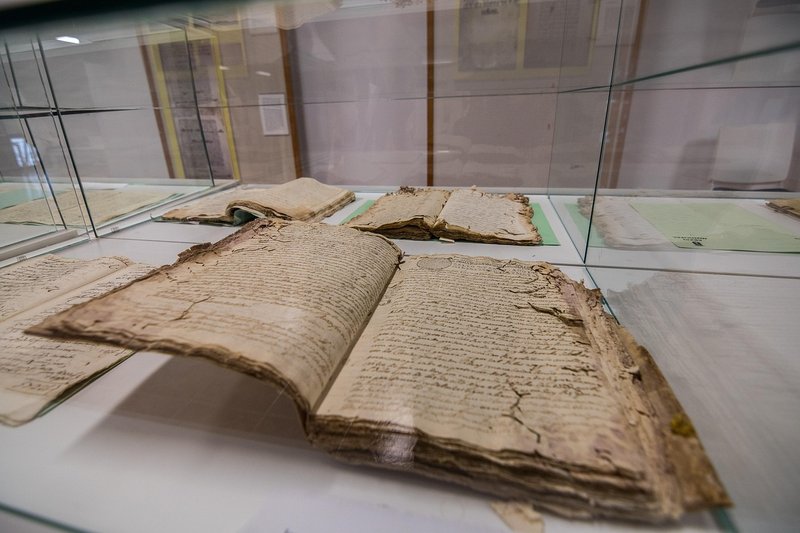
Representative image: Tom_Chen / Pixabay
The 52nd All India Oriental Conference opened in Haridwar on October 29, 2026; its chairman proposed calling the field Indian Studies instead of Oriental Studies.
What Happened
The 52nd session of the All India Oriental Conference, a national gathering of scholars of Sanskrit, the Vedas, Indian philosophy and history, was inaugurated by Uttarakhand Governor Dhal Singh Bisen at the University of Patanjali in Haridwar on Thursday, October 29, 2026. At the opening, the conference chairman, Prof. Srinivas Varkhedi, proposed that the term "Oriental Studies" be replaced with "Indian Studies" so that the field reflects India's own perspective. The host university's founder, Swami Ramdev, announced a campaign he called the Sanatan Shastra Shuddhi Abhiyan, which he described as a drive to correct what he said were distortions and misinterpretations in religious texts. The conference runs until Saturday, October 31.
Key Facts
- Event: 52nd All India Oriental Conference, October 29 to 31, 2026, at the University of Patanjali, Haridwar, Uttarakhand.
- Inaugurated by: Uttarakhand Governor Dhal Singh Bisen.
- Conference chairman: Prof. Srinivas Varkhedi, who proposed renaming "Oriental Studies" as "Indian Studies".
- New campaign: Swami Ramdev announced the Sanatan Shastra Shuddhi Abhiyan to address what he called distortions in scriptures; the university's vice-chancellor, Acharya Balkrishna, said the conference would examine alleged interpolations in ancient texts.
- Subjects: Sanskrit, the Vedas, Indian philosophy, history and India's ancient knowledge traditions, with scholars from India and abroad.
- History: the conference was founded in 1918, and its first session was inaugurated in Pune on November 5, 1919.
Why It Matters
The All India Oriental Conference has, since its founding in 1918, been a meeting place for scholars who study India's classical languages and texts. The word "Oriental" comes from an older European tradition of studying Asia from the outside, in which "the Orient" meant the lands east of Europe. Prof. Varkhedi's proposal to call the field "Indian Studies" is part of a wider debate among Indian scholars about naming and framing: whether India's knowledge traditions should be studied through categories inherited from colonial-era scholarship, or through terms drawn from India's own intellectual history. A name change would need the agreement of the conference's members and would not by itself change how research is done, but it signals how the field sees itself.
The Governor's address centred on the purpose of the Indian knowledge tradition, which he said was the development of wisdom, social harmony and a benevolent outlook towards all creation. He also cited the grammar of Panini and the Yoga philosophy associated with Patanjali as major contributions of ancient Indian scholars. These references connect the conference to the Indian Knowledge Systems agenda now promoted in universities, which encourages students to study classical works on language, mathematics, medicine and philosophy alongside modern subjects.
The announcement of a campaign to "purify" scriptures is a separate matter and is Swami Ramdev's own initiative. He said the texts had been distorted by earlier writers, and the vice-chancellor said the conference would look at alleged interpolations, meaning passages added to a text after it was first composed. Identifying such passages is a long-standing scholarly task that depends on comparing old manuscripts and applying careful methods of textual study. Readers should note that the claims of distortion are the campaign's own and have not been independently assessed; how the campaign will work, who will take part and what standards it will use have not been made public.
For students and teachers of Sanskrit and Indian philosophy, the three days in Haridwar are a chance to hear new research, present papers and meet scholars from other universities and countries. The conference's sessions and any resolutions it adopts at the close on October 31 will show whether the "Indian Studies" proposal gains support.
| Item | Detail |
|---|---|
| Session | 52nd All India Oriental Conference |
| Dates | October 29 to 31, 2026 |
| Venue | University of Patanjali, Haridwar |
| Inaugurated by | Governor Dhal Singh Bisen |
| Chairman | Prof. Srinivas Varkhedi |
| Founded | 1918; first session in Pune, 1919 |
Impact
Short-term: Scholars at the conference will debate the proposal to rename the field, and Swami Ramdev's campaign on scriptures is likely to draw attention and discussion among religious and academic groups.
Long-term: If the conference adopts the name "Indian Studies", universities and journals may follow, adding to the shift towards Indian Knowledge Systems in higher education. Any work on the texts will be judged by how transparent and scholarly its methods are.
Who is affected: Researchers, teachers and students of Sanskrit, Indology and Indian philosophy; universities building Indian Knowledge Systems courses; and readers of classical Hindu texts.
Key Takeaway
At the 52nd All India Oriental Conference, which opened in Haridwar on October 29, 2026, its chairman proposed renaming Oriental Studies as Indian Studies, while Swami Ramdev announced a campaign on the texts.
Questions and Answers
What is the All India Oriental Conference?
It is a national gathering of scholars of Sanskrit, the Vedas, Indian philosophy, history and related subjects, founded in 1918 with its first session in Pune in 1919. Its 52nd session is being held at the University of Patanjali in Haridwar from October 29 to 31, 2026.
Why does the conference chairman want to rename Oriental Studies?
Prof. Srinivas Varkhedi proposed using "Indian Studies" instead of "Oriental Studies" so that the field reflects India's own perspective. "Oriental" is an older European term for the lands east of Europe.
What is the Sanatan Shastra Shuddhi Abhiyan?
It is a campaign announced by Swami Ramdev at the conference to address what he described as distortions and misinterpretations in religious texts. Its methods and participants have not yet been made public.
Who inaugurated the 2026 conference?
Uttarakhand Governor Dhal Singh Bisen inaugurated it on October 29, 2026, and spoke on the aims of the Indian knowledge tradition.
Disclaimer: Prepared by the Peepals newsroom from publicly available sources with AI assistance. Information is accurate to the best of our knowledge at the time of publication and may change. Images may be representative. Not professional advice. Report an error via our contact page.
By Devansh Tiwari, Knowledge Systems WriterCovers Knowledge Systems and more for Peepals Sanskriti. All stories by Devansh Tiwari
Get the day's stories in your inbox
Peepals Weekly: the week decoded, free. One email a week, unsubscribe in one click.
Devansh Tiwari is a pen name of the Peepals Global Editorial Team, which researches, fact-checks and publishes every story. The portrait is an illustration.