Navratri 8th day: Mahagauri, and the two stories of how Parvati turned radiant
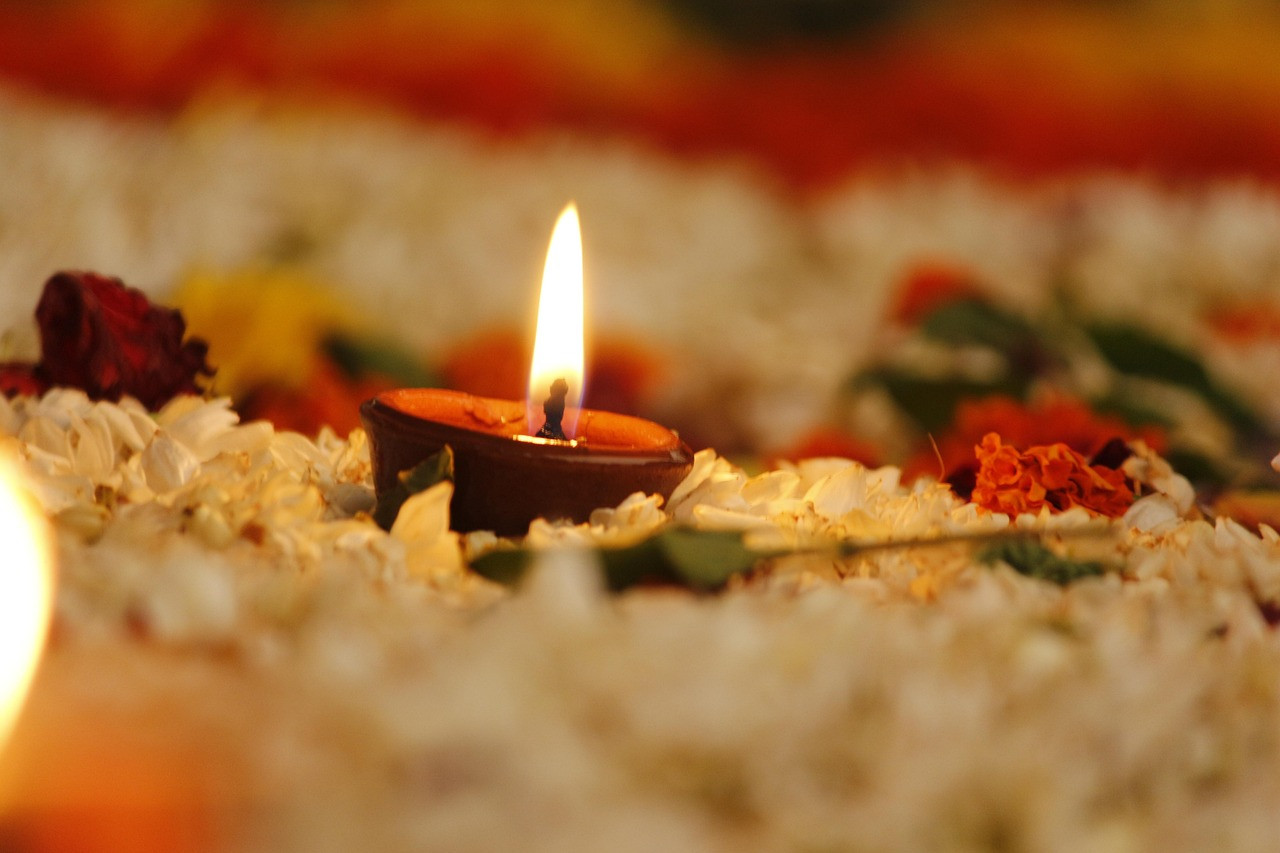
Representative image: vprthawait / Pixabay
Navratri's 8th day, Sunday 18 October 2026, honours Mahagauri; the texts explain her radiant form through more than one story of Parvati's penance.
What Happened
The eighth day of Shardiya Navratri falls on Sunday, 18 October 2026, and is dedicated to Mahagauri, the eighth of the nine forms of Durga worshipped during the festival. Puja guides published for the day give coconut as her bhog, "Om Devi Mahagauryai Namah" as her mantra and purple as the day's colour in the Drik Panchang list, though some calendars give a different colour. The eighth day is Ashtami, and because the Ashtami tithi runs across two days this year, households following different panchangs will mark it on 18 or 19 October. Behind the white-clad goddess on a white bull lies a story the old texts tell in more than one way.
Key Facts
- Navratri's eighth day falls on Sunday, 18 October 2026, and is dedicated to Mahagauri.
- She is eighth in the Navadurga sequence, which is named in verses 3 to 5 of the Devi Kavacha, where Brahma lists the nine forms to the sage Markandeya.
- Her name joins maha (great) and gauri (fair or radiant), usually read as "the great fair one" or "the extremely white one".
- She is usually shown dressed in white and riding a white bull.
- Puja guides list coconut as her bhog, "Om Devi Mahagauryai Namah" as her beej mantra and night-blooming jasmine as her flower.
- Kanya Pujan, the worship of young girls as forms of the goddess, is widely performed on Ashtami or Navami.
- The ninth and last form, Siddhidatri, follows on Navami.
Why It Matters
Navratri's nine forms are now known to most people through a day-by-day list of colours, offerings and mantras. That list has a textual source. The order of the Navadurga comes from the Devi Kavacha, a protective hymn that is traditionally recited before the Durga Saptashati (the Devi Mahatmya), though it is not part of that text itself. Its verses name the nine in the order most homes follow today: Shailaputri, Brahmacharini, Chandraghanta, Kushmanda, Skandamata, Katyayani, Kalaratri, Mahagauri and Siddhidatri. Even the length of the hymn varies between manuscript traditions, with verse counts differing from one recension to another.
The story of how Parvati became Mahagauri is a good example of how one figure gathers several narratives. The popular version, repeated in many puja guides, says Parvati's long austerities to win Shiva darkened her complexion, and that when Shiva washed her with the waters of the Ganga her body shone a brilliant white. Another account, drawn from the Shiva Purana, begins differently: Shiva teases Parvati by calling her "Kali", she undertakes penance to Brahma to change her complexion, and when she bathes, her dark outer form separates and becomes the goddess Kaushiki, who goes on to fight the demons Shumbha and Nishumbha. Some regional tellings place the bath in a different sacred water altogether.
Reading these versions side by side is more useful than choosing one. The shared elements, penance, purification by water and a change from dark to radiant, are what the eighth day celebrates: the idea that disciplined effort leads to clarity. Puja guides describe her worship as a way of letting go of past wrongs before the ninth day. The differences show how the Puranic tradition kept retelling and adapting its stories rather than fixing a single authorised version.
| Form | Day | Common reading of the name |
|---|---|---|
| Kalaratri | 7th (Saptami) | Dark night, night of time |
| Mahagauri | 8th (Ashtami) | The great fair or radiant one |
| Siddhidatri | 9th (Navami) | Giver of accomplishments |
Impact
Short-term: Millions of households will perform Mahagauri puja and, in many homes, Kanya Pujan over 18 and 19 October, with the exact day depending on the panchang and family custom followed.
Long-term: Understanding the textual roots of the Navadurga, from the Devi Kavacha to the Puranic stories, helps keep the festival's meaning alive as its observance moves increasingly to quick online guides.
Who is affected: Devotees observing Navratri across India and abroad, families planning Ashtami and Navami rituals, and readers and students interested in the Puranas and the Durga tradition.
Key Takeaway
Mahagauri, worshipped on Navratri's eighth day, 18 October 2026, stands for purification through discipline, a theme the texts express through more than one version of the same story.
Questions and Answers
Which goddess is worshipped on the 8th day of Navratri 2026?
Mahagauri, the eighth form of Durga in the Navadurga sequence, is worshipped on the eighth day, which falls on Sunday, 18 October 2026.
What is Mahagauri's bhog and mantra?
Puja guides give coconut, or a coconut-based sweet, as her bhog, and "Om Devi Mahagauryai Namah" as her beej mantra.
Why is she called Mahagauri?
The name means "the great fair one". Popular accounts say Parvati's skin was darkened by long penance and turned radiant white when Shiva washed her with Ganga water; a Shiva Purana-based account says her dark outer form separated from her and became the goddess Kaushiki.
Where does the order of the nine Navratri goddesses come from?
The order is given in verses 3 to 5 of the Devi Kavacha, a hymn traditionally recited before the Durga Saptashati, in which Brahma names the nine forms to the sage Markandeya.
Disclaimer: Prepared by the Peepals newsroom from publicly available sources with AI assistance. Information is accurate to the best of our knowledge at the time of publication and may change. Images may be representative. Not professional advice. Report an error via our contact page.
Sourced and fact-checked by the Peepals Global Editorial Team
Reported, fact-checked and published by the Peepals Global Editorial Team.