World Conference on Traditional Medicine opens in Beijing with focus on AI, regulation
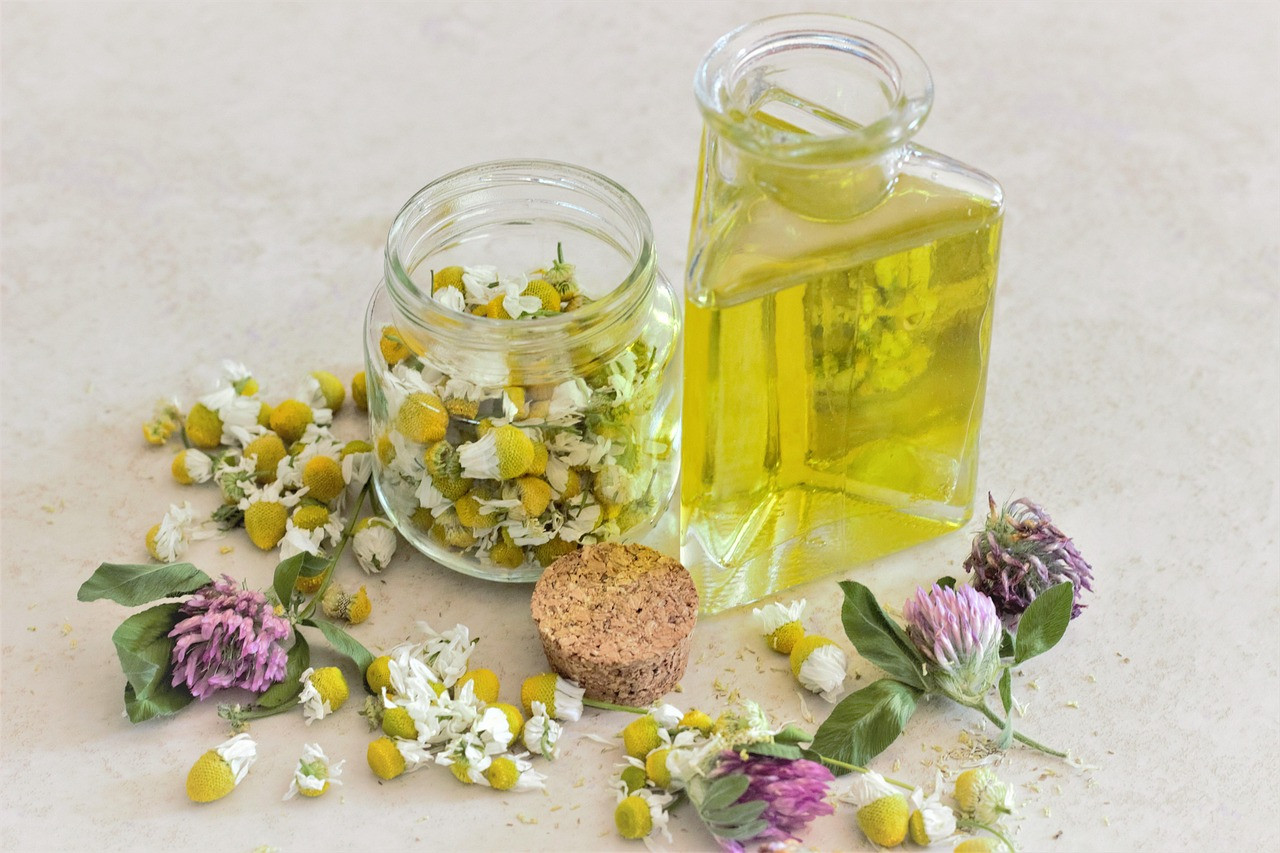
Representative image: zerin117 / Pixabay
The World Conference on Traditional Medicine 2026 opened in Beijing on 17 October 2026, with Premier Li Qiang's keynote and a focus on AI and regulation.
What Happened
The World Conference on Traditional Medicine 2026 opened in Beijing on Saturday, 17 October 2026, under the theme "Technology Empowerment and Integrated Development: Advancing Traditional Medicine for All". China's Premier Li Qiang gave the keynote speech at the opening ceremony, and Dr Saia Ma'u Piukala, the World Health Organization's Regional Director for the Western Pacific, also addressed the meeting. The conference is hosted by the Beijing municipal government, China's National Health Commission, the National Administration of Traditional Chinese Medicine and the National Medical Products Administration, in collaboration with the WHO. Its agenda covers the law and regulation of traditional medicine, the use of artificial intelligence, and how traditional systems can be brought into mainstream health care.
Key Facts
- The conference opened in Beijing on Saturday, 17 October 2026.
- Its theme is "Technology Empowerment and Integrated Development: Advancing Traditional Medicine for All".
- Premier Li Qiang delivered the keynote at the opening ceremony; WHO Western Pacific Regional Director Saia Ma'u Piukala also spoke.
- Chinese government bodies host it with the WHO as a partner.
- Topics include legislation, regulation, artificial intelligence and integrating traditional medicine into modern health systems.
- A companion Beijing International Traditional Healthcare Exhibition opened a day earlier, on Friday, 16 October.
- China's traditional medicine regulator says traditional Chinese medicine has now reached 196 countries and regions.
Why It Matters
Traditional medicine is no longer a side topic in global health. The WHO's Global Strategy on Traditional Medicine for 2025 to 2034, adopted by the World Health Assembly in 2025, asks countries to build evidence, regulate practitioners and products, and integrate safe, effective practices into their health systems. Meetings like the one in Beijing are where governments compare how they are doing that, and where the rules that will shape the field over the next decade are discussed.
The emphasis on technology is the most notable feature of this year's theme. Exhibitors at the companion fair showed an "intelligent" traditional Chinese medicine experience area, and the agenda puts artificial intelligence alongside law and regulation. For traditional systems, technology offers ways to standardise diagnosis, track the quality of herbal products and gather the kind of data that regulators and doctors trained in modern medicine ask for. It also raises new questions about how claims are tested before they reach patients.
The meeting is also a sign of how actively China is promoting its own tradition abroad. According to the National Administration of Traditional Chinese Medicine, China has cooperation agreements with nearly 50 foreign governments and international bodies, and has set up 30 overseas traditional medicine centres and 31 national-level service export bases.
For Indian readers, the comparison is direct. India hosts the WHO Global Traditional Medicine Centre in Jamnagar, Gujarat, and New Delhi hosted the second WHO Global Summit on Traditional Medicine, which ended with the adoption of the Delhi Declaration. Ayurveda, yoga and India's other systems are competing for the same global attention, research funding and regulatory recognition. How China frames integration, regulation and technology will shape the standards Indian practitioners and exporters are measured against.
The evidence question remains central for both countries. In September 2026 the WHO called for more research into traditional medicine, publishing research priorities that drew on an analysis of 39,927 research grants across 40 funding schemes and consultations with 199 experts from 75 countries. That work shows how little funding has gone into rigorous testing of traditional practices compared with their use.
| Item | Detail |
|---|---|
| Event | World Conference on Traditional Medicine 2026 |
| Opened | Saturday, 17 October 2026, Beijing |
| Keynote | Premier Li Qiang |
| WHO speaker | Saia Ma'u Piukala, Regional Director for the Western Pacific |
| Main topics | Regulation, AI, integration into health systems |
Impact
Short-term: The conference gives governments, regulators and industry a platform to discuss common rules for traditional medicine, and puts China's push to integrate traditional and modern care, and to use AI in it, in the global spotlight.
Long-term: Decisions and partnerships that come out of meetings like this feed into how countries carry out the WHO's 2025 to 2034 strategy, including how traditional products are regulated, researched and traded across borders.
Who is affected: Patients who use traditional remedies alongside modern treatment, practitioners of traditional systems including Ayurveda and traditional Chinese medicine, regulators, researchers, and companies that make and export herbal products.
Key Takeaway
Beijing's 2026 conference shows traditional medicine moving deeper into mainstream health policy, with technology and regulation now at the centre of the debate that India's own systems are also part of.
Questions and Answers
What is the World Conference on Traditional Medicine 2026?
It is an international meeting on traditional medicine that opened in Beijing on 17 October 2026, hosted by Chinese government health bodies in collaboration with the World Health Organization, with the theme "Technology Empowerment and Integrated Development: Advancing Traditional Medicine for All".
Who spoke at the opening of the Beijing traditional medicine conference?
Chinese Premier Li Qiang delivered the keynote speech, and the WHO's Regional Director for the Western Pacific, Saia Ma'u Piukala, also addressed the conference.
What does the WHO's traditional medicine strategy ask countries to do?
The Global Strategy on Traditional Medicine 2025 to 2034, adopted by the World Health Assembly in 2025, asks countries to strengthen evidence, regulate traditional practices and products, and integrate those that are safe and effective into their health systems.
How is India involved in global traditional medicine work?
India hosts the WHO Global Traditional Medicine Centre in Jamnagar, Gujarat, and hosted the second WHO Global Summit on Traditional Medicine in New Delhi, which adopted the Delhi Declaration.
Disclaimer: Prepared by the Peepals newsroom from publicly available sources with AI assistance. Information is accurate to the best of our knowledge at the time of publication and may change. Images may be representative. Not professional advice. Report an error via our contact page.
Sourced and fact-checked by the Peepals Global Editorial Team
Australia widens kalmegh (andrographis) recalls as regulator moves to enforcement
Navratri 8th day: Mahagauri, and the two stories of how Parvati turned radiant
Reported, fact-checked and published by the Peepals Global Editorial Team.