
Rakhigarhi shows how India's knowledge traditions evolved, Vasant Shinde says at IIAS
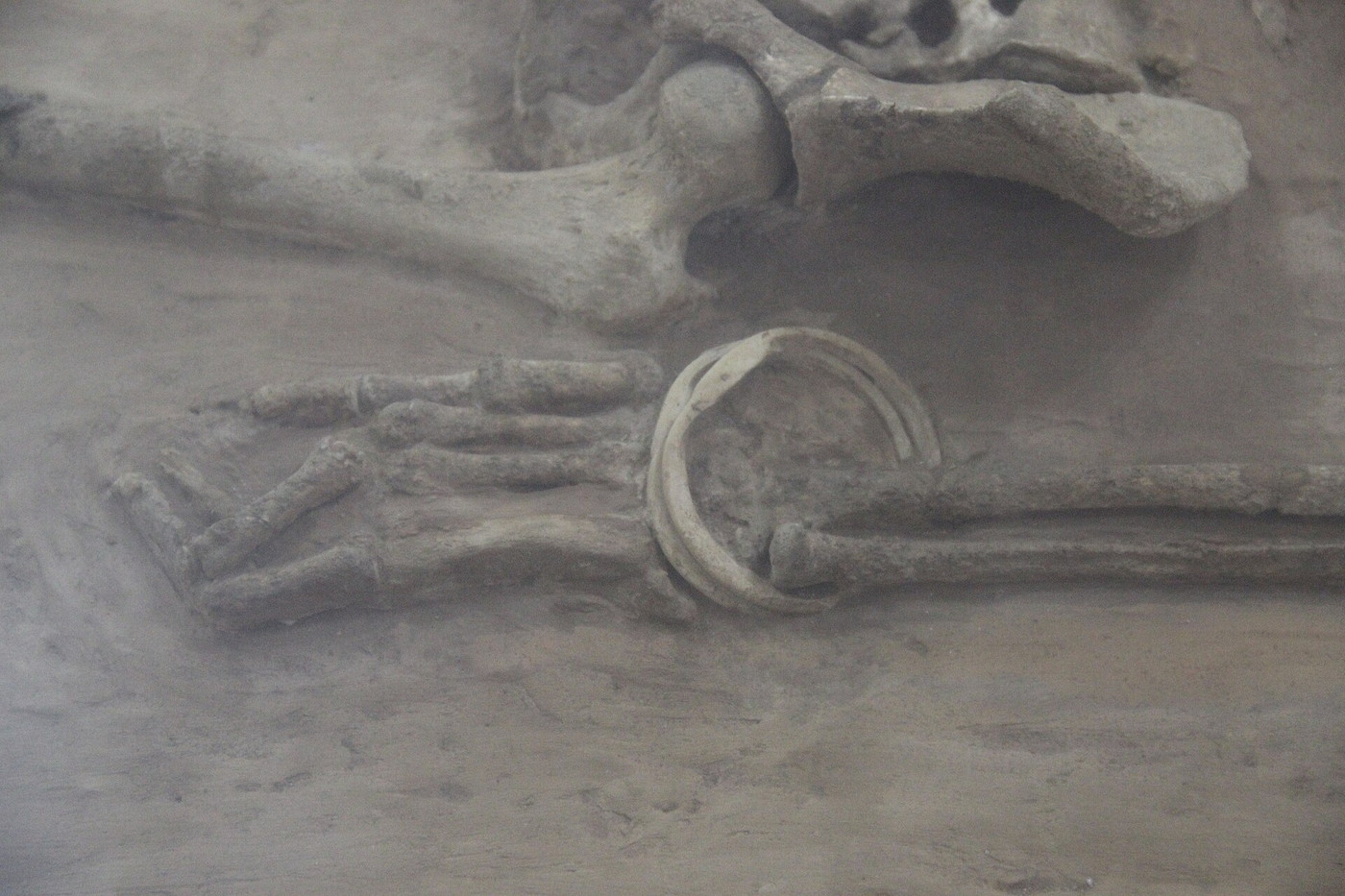
File photo: Gary Todd (CC0), via Wikimedia Commons
At IIAS Shimla on October 12, 2026, archaeologist Vasant Shinde used Rakhigarhi to argue that excavation, read with texts, traces India's knowledge traditions.
What Happened
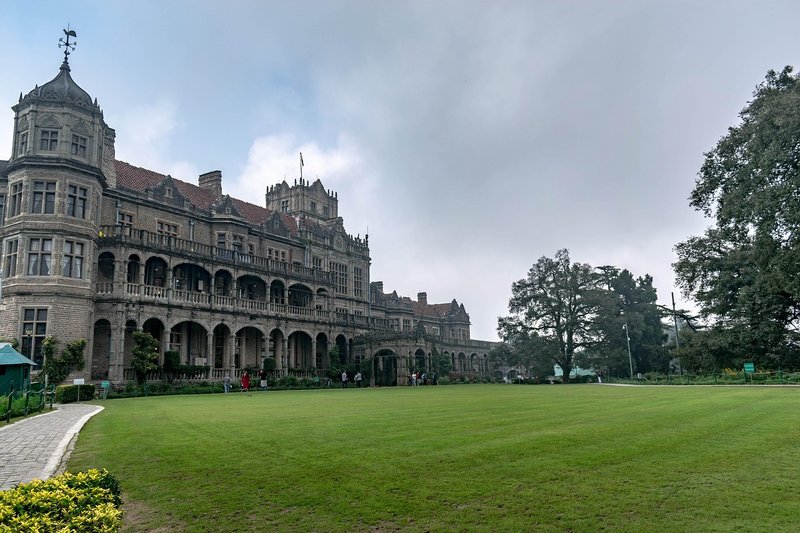
Archaeologist Prof Vasant Shinde, a former Vice-Chancellor of Deccan College in Pune, argued at the Indian Institute of Advanced Study (IIAS) in Shimla on Monday, October 12, 2026, that the Harappan site of Rakhigarhi in Haryana offers evidence for how India's knowledge traditions took shape long before they were written down. His lecture, titled "Evolution of Bharatiya Knowledge System: Archaeological Perspective with Special Reference to Rakhigarhi", was part of the institute's Diamond Jubilee programme, which runs from October 11 to 15. IIAS Director Prof Himanshu Kumar Chaturvedi chaired the session.
Key Facts
- The lecture was delivered at IIAS, Shimla, on October 12, 2026, during the institute's five-day Diamond Jubilee programme from October 11 to 15.
- The speaker, Prof Vasant Shinde, is a former Vice-Chancellor of Deccan College, Pune, and has led excavation work at Rakhigarhi.
- IIAS Director Prof Himanshu Kumar Chaturvedi chaired the session.
- Rakhigarhi was the main case study for showing how excavated remains, settlement layouts, artefacts and material culture can be used to reconstruct the technology, social organisation and cultural practices of early communities.
- Shinde called for weighing literary sources, historical records and archaeological finds together, each in its proper context.
- He stressed that interpretations of the past stay open to revision as new discoveries are made and research methods improve.
Why It Matters
Most discussion of Indian Knowledge Systems starts with texts: the Vedas, the Sulba Sutras, Panini's grammar, the medical Samhitas. Shinde's lecture made a different point. Knowledge also leaves physical traces. How a city is laid out, how drains and streets are planned, how beads, pottery and tools are made, and how crafts are organised all show what people knew and how they passed it on, even where no written record survives or can be read. The Harappan script is still undeciphered, so for the Indus civilisation the ground itself is the main archive.
Rakhigarhi is well suited to that kind of reading. Shinde has described it in earlier interviews as one of the largest Harappan settlements, spread over about 500 hectares. Its excavations have produced settlement plans, craft areas and burials that let researchers study daily technology and social life rather than only monuments.
The methodological caution in the lecture matters as much as the claims. Bringing archaeology into the study of Indian knowledge traditions can make the field more rigorous, because excavated evidence can be dated, measured and checked. It can also be stretched. Shinde himself was lead author of a 2019 genetic study of a skeleton from Rakhigarhi, and his reading of what it showed about ancient migrations has been disputed by some of the geneticists involved. His stress in Shimla on placing each kind of evidence in context, and on revising conclusions as new data arrive, is the standard any serious work in this field has to meet.
For students and teachers working with the Indian Knowledge Systems courses now offered in many universities, the lecture is a reminder that the subject is not only about reading old texts. Field archaeology, materials science and the history of technology all have a place in it.
| Kind of evidence | What it can show |
|---|---|
| Literary sources | Ideas, practices and terms as people recorded them |
| Historical records | Dated events, institutions and administration |
| Archaeological finds | Technology, settlement planning, crafts and daily life, including periods with no readable writing |
Impact
Short-term: The lecture adds an archaeological strand to IIAS's Diamond Jubilee week, which also includes other public events for scholars and students in Shimla.
Long-term: An evidence-led approach that combines texts and excavation could shape how universities teach Indian Knowledge Systems and how research in the field is judged.
Who is affected: Students and teachers of history, archaeology and Indian Knowledge Systems courses, researchers working on the Harappan civilisation, and readers interested in how ancient Indian science and technology are studied.
Key Takeaway
At IIAS Shimla on October 12, 2026, Prof Vasant Shinde used Rakhigarhi to argue that archaeology, read alongside texts, is essential to tracing how India's knowledge traditions developed.
Questions and Answers
Who gave the lecture and where?
Prof Vasant Shinde, archaeologist and former Vice-Chancellor of Deccan College, Pune, spoke at the Indian Institute of Advanced Study in Shimla on October 12, 2026. IIAS Director Prof Himanshu Kumar Chaturvedi chaired the session.
What was the main argument?
That excavated evidence such as settlement layouts, artefacts and material culture from sites like Rakhigarhi can reveal the technology, social organisation and cultural practices of early communities, and so helps trace how Indian knowledge traditions evolved.
Why use archaeology for Indian Knowledge Systems?
Many early practices were never written down, and the Harappan script has not been deciphered. Physical remains can show what people knew and did, and can be dated and tested.
Did the speaker say the conclusions are final?
No. He stressed that interpretations of the past remain open to refinement as new discoveries are made and research methods improve.
Disclaimer: Prepared by the Peepals newsroom from publicly available sources with AI assistance. Information is accurate to the best of our knowledge at the time of publication and may change. Images may be representative. Not professional advice. Report an error via our contact page.
Sourced and fact-checked by the Peepals Global Editorial Team
NCISM withholds 2026-27 recognition from 61 Ayurveda colleges over gaps
Thigh muscles go quiet after 25 minutes of unbroken sitting, Swinburne study finds
Reported, fact-checked and published by the Peepals Global Editorial Team.