
Rahu Ketu Peyarchi 2026: why Vakya says November 13, Thirukanitha December 5
 By Devansh TiwariKnowledge Systems Writer, Peepals Sanskriti
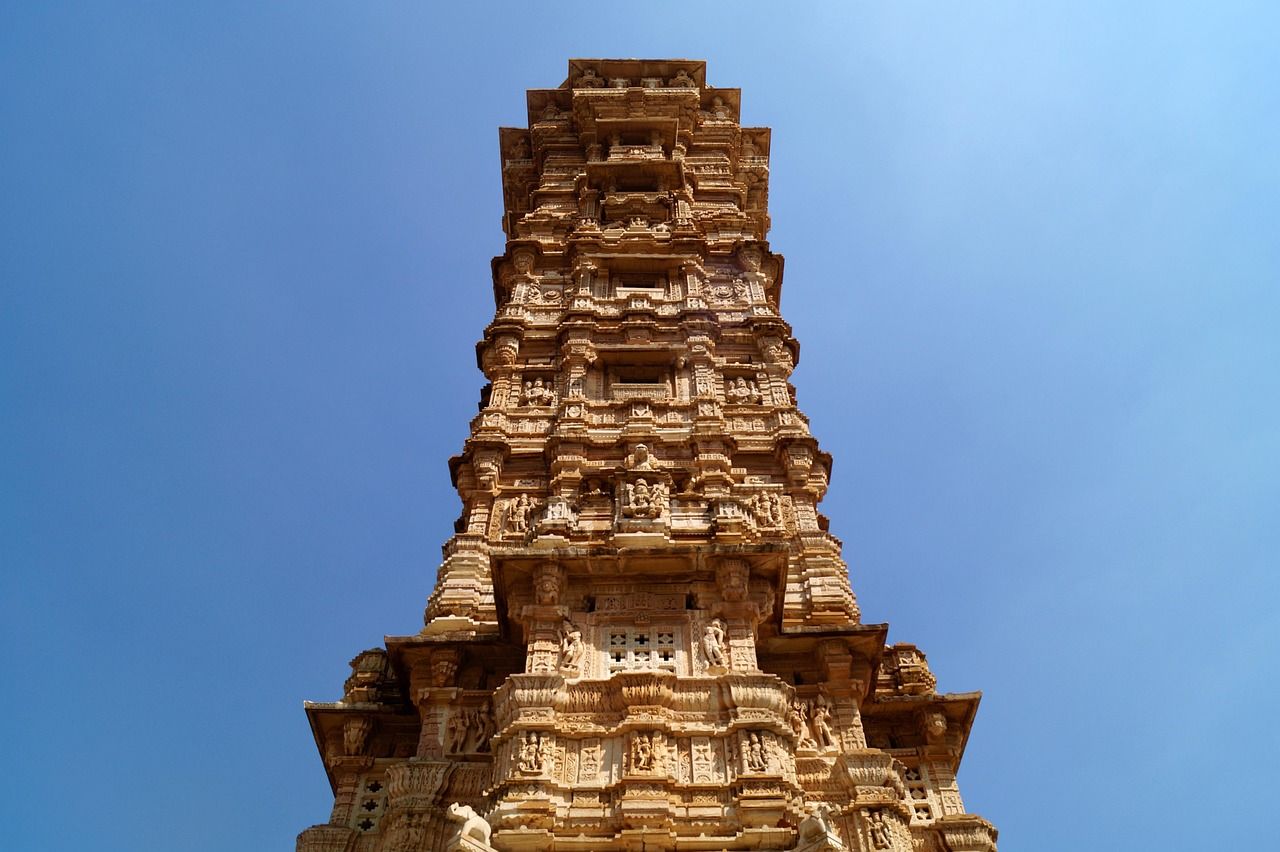
Representative image: Pexels / Pixabay
Rahu Ketu Peyarchi 2026 was marked at Thirunageswaram on 13 November by the Vakya almanac; the Thirukanitha almanac dates it to 5 December.
What Happened
Rahu Ketu Peyarchi 2026, the move of Rahu and Ketu into new zodiac signs in the Indian calendar, was marked at the Naganathaswamy temple in Thirunageswaram, Tamil Nadu, on Friday, 13 November 2026, with thousands of devotees attending, according to a Tamil daily's report. The temple follows the Vakya almanac, which dates Rahu's move from Kumbam (Aquarius) to Magaram (Capricorn) to 13 November. The Thirukanitha almanac, based on modern astronomical calculation, dates the same move to Saturday, 5 December 2026, which is why Tamil calendars and temples this year give two dates three weeks apart.
Rahu Ketu Peyarchi 2026: key facts
- Vakya date: Friday, 13 November 2026, for Rahu's move into Magaram, according to calendar publishers that follow the Vakya almanac.
- Thirukanitha date: Saturday, 5 December 2026; the time given varies by city and source, from about 7:28 pm for New Delhi to 9:24 pm for Chennai.
- Ketu: moves from Simmam (Leo) to Kadagam (Cancer), with the same two-almanac split in dates.
- Thirunageswaram: the temple held a fourth-kalam yagasala puja on the morning of 13 November, followed by special abhishekams for Rahu and a kalasa abhishekam, according to the report.
- Other temples: Keezhaperumpallam, associated with Ketu, and many temples including Thirunallar follow the Vakya date, according to a Tamil calendar publisher.
- Method: Vakya works from traditional tables of planetary positions; Thirukanitha uses modern astronomical computation.
Rahu Ketu Peyarchi 2026: why it matters
Indian calendars record the dates on which Rahu and Ketu move from one zodiac sign to the next, and in Tamil Nadu the event, called a peyarchi (transit), draws devotees to the temples associated with the two, Thirunageswaram for Rahu and Keezhaperumpallam for Ketu. Because the date decides when temples hold their rituals, which almanac a temple follows matters to the people who visit it.
The two dates this year come from two ways of doing the same calculation. The Vakya system reckons planetary positions from traditional tables, the vakyas. The Thirukanitha system recomputes the positions with modern astronomical calculation; one calendar service describes it as aligned with precise ephemeris data, the tables of planetary positions astronomers use. Because the two methods compute positions differently, they can disagree by days or weeks, as they do this year. Temples with long-standing Vakya practice, including Thirunageswaram, keep to the Vakya date.
For readers, the difference is a reminder that a "date" in a traditional calendar depends on which almanac is being used. It is not that one side has miscounted, but that each follows its own method. Some calendars and websites give still other dates, so anyone planning a temple visit should check the temple's own announcement.
Belief and evidence are separate questions here. The transit dates are a matter of calculation and can be checked. The predictions that astrologers attach to each sign are a matter of belief, and this report does not make or endorse any.
Peepals calculation: The Vakya date (13 November) and the Thirukanitha date (5 December) are 22 days apart (17 remaining days of November plus 5 days of December). Our calculation from the reported dates.
| Almanac | Date for Rahu's move to Magaram | Followed by |
|---|---|---|
| Vakya | Friday, 13 November 2026 | Thirunageswaram, Keezhaperumpallam, Thirunallar and many other temples (as reported) |
| Thirukanitha | Saturday, 5 December 2026 | Calendars based on modern astronomical calculation |
Impact
Short-term: Temples that follow the Vakya almanac have already held their peyarchi rituals, while those and households that follow Thirukanitha will mark the change on 5 December. Devotees may see two sets of rituals and announcements within three weeks.
Long-term: The debate between the traditional Vakya method and modern computation continues in Tamil calendar-making, and each transit year brings it back into public view.
Who is affected: Devotees and temples in Tamil Nadu, calendar and almanac publishers, and anyone who uses a traditional calendar to plan rituals.
What to watch next: The Thirukanitha date for the transit is Saturday, 5 December 2026.
Key Takeaway
Rahu Ketu Peyarchi 2026 has two dates because two almanacs calculate it differently: 13 November by the traditional Vakya method followed at Thirunageswaram, and 5 December by the Thirukanitha method.
Questions and Answers
What is the date of Rahu Ketu Peyarchi 2026?
It depends on the almanac. By the Vakya almanac it was Friday, 13 November 2026; by the Thirukanitha almanac it is Saturday, 5 December 2026.
Why are there two dates for Rahu Ketu Peyarchi?
The Vakya almanac works from traditional tables of planetary positions, while Thirukanitha uses modern astronomical calculation. The two methods give different dates for the same transit.
When was Rahu Ketu Peyarchi held at Thirunageswaram?
The Naganathaswamy temple at Thirunageswaram, which follows the Vakya almanac, held its Rahu Peyarchi rituals on 13 November 2026, with thousands of devotees, according to a Tamil daily.
Disclaimer: Prepared by the Peepals newsroom from publicly available sources with AI assistance. Information is accurate to the best of our knowledge at the time of publication and may change. Images may be representative. Not professional advice. Report an error via our contact page.
By Devansh Tiwari, Knowledge Systems WriterCovers Knowledge Systems and more for Peepals Sanskriti. All stories by Devansh Tiwari
Sabarimala aravana: TDB promises 50 lakh tins as season opens November 17
UP health supplement rules: 'Not for Medical Use' label, no cure claims
Get the day's stories in your inbox
Peepals Weekly: the week decoded, free. One email a week, unsubscribe in one click.
Devansh Tiwari is a pen name of the Peepals Global Editorial Team, which researches, fact-checks and publishes every story. The portrait is an illustration.
Responsible for this story: the Peepals Global Editorial Team, led by editor Prashant Sonar. How we report