
UP health supplement rules: 'Not for Medical Use' label, no cure claims
 By Ananya RaoStaff Writer, Peepals Sanskriti
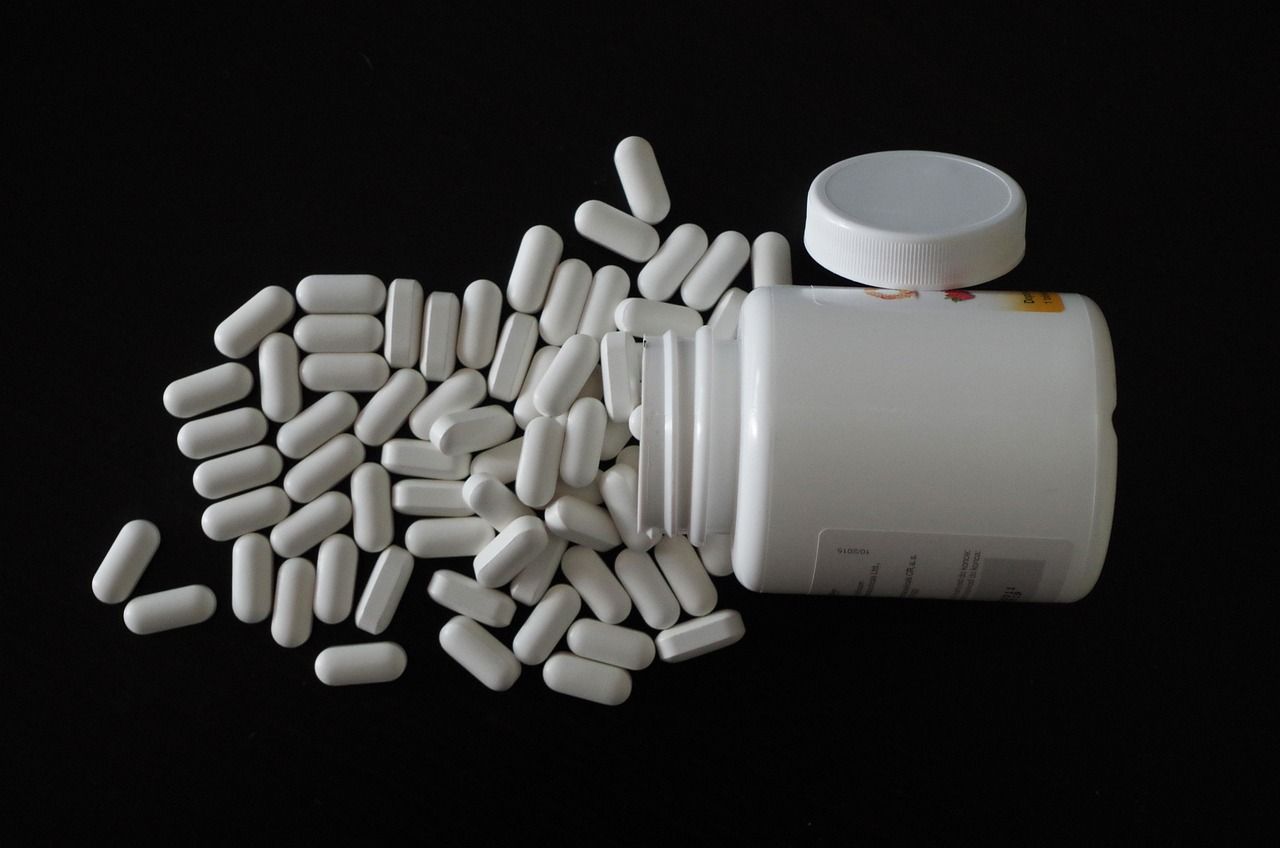
Representative image: Ajale / Pixabay
Uttar Pradesh's FSDA has barred supplements and herbal products from disease-cure claims and made a 'Not for Medical Use' label mandatory, reported 13 November 2026.
What Happened
Uttar Pradesh's Food Safety and Drug Administration (FSDA) has issued new guidelines that bar health supplements, nutraceuticals and herbal products sold in the state from claiming to diagnose, treat, prevent or cure any disease, and require their packs to carry a "Not for Medical Use" notice. The order, issued by FSDA Commissioner Dr Roshan Jacob, was reported on Friday, 13 November 2026. It treats these products as food, not medicine, and also covers makers and importers from other states whose products are sold in Uttar Pradesh.
UP health supplement rules: key facts
- Regulator: Food Safety and Drug Administration, Uttar Pradesh; order issued by Commissioner Dr Roshan Jacob, as reported on 13 November 2026.
- Products covered: protein powders, vitamin and mineral supplements, herbal products, probiotics, prebiotics and foods for special medical purposes, including their names, packaging, labels, advertisements and health claims.
- Main rule: no such food product may claim to diagnose, treat, prevent or cure a disease, or be presented as a medicine or a substitute for treatment.
- Label: packs must carry a "Not for Medical Use" notice and, according to reports, list active nutrients and their share of the recommended daily allowance set by ICMR.
- Herbal ingredients: only plants and plant parts permitted under Schedule 4 of the food regulations may be used.
- Banned contents: drugs, hormones, steroids, narcotics and psychotropic substances.
- Online sales: products that do not comply must be taken down from online platforms.
- Not a ban: products that follow the guidelines can still be sold.
UP health supplement rules: why it matters
Shops and websites are full of capsules, powders and herbal blends with names that suggest they treat diabetes, joint pain, thyroid problems or weak immunity. Many are sold as "nutraceuticals", a word that sounds medical but, under Indian food law, describes a food product. The FSDA's point is simple: if a product is licensed as a food, it cannot be sold as if it were a medicine. Product names built around a disease, and labels promising to manage or cure it, mislead buyers into thinking they are buying treatment.
That matters for health. A person with diabetes who relies on a "sugar care" supplement instead of prescribed treatment can come to harm. The ban on hidden drugs, steroids and hormones addresses a second risk: products that work only because they secretly contain a medicine, without the dose or warnings a real drug would carry.
For traditional and herbal products, the order draws a clear line. Herbal supplements remain legal as foods if they use permitted plants and make no disease claims. The order, as reported, concerns products sold as food; it does not describe any change for licensed medicines. For buyers, the "Not for Medical Use" label will be the quickest way to tell which side of that line a product is on.
For companies, the order reaches beyond Uttar Pradesh. Because it applies to any product sold in the state, including online, brands based elsewhere will have to check product names, labels and advertising for the Uttar Pradesh market.
Peepals timeline: The FSDA order setting out the new guidelines was issued by Commissioner Dr Roshan Jacob and reported in the press on 13 November 2026. It applies to products sold in Uttar Pradesh from now on, including those made or imported by firms in other states and Union Territories, and requires non-compliant listings to be removed from online platforms. Reports did not give a separate deadline for changing existing stock or labels.
Impact
Short-term: Supplement makers and online sellers serving Uttar Pradesh must rework product names, labels and advertisements that make disease claims, and remove non-compliant listings.
Long-term: Clearer labelling may help buyers separate food supplements from medicines, and other state regulators may take similar steps if the order proves workable.
Who is affected: Buyers of protein powders, vitamins and herbal supplements in Uttar Pradesh; manufacturers, importers and e-commerce platforms; pharmacies and shops that stock these products.
Key Takeaway
Uttar Pradesh's FSDA has barred health supplements and herbal products from claiming to treat or cure disease and made a "Not for Medical Use" label mandatory, though compliant products can still be sold.
Questions and Answers
What are the new UP rules for health supplements?
The UP FSDA says supplements, nutraceuticals and herbal products are foods; they cannot claim to diagnose, treat, prevent or cure disease, and their packs must say "Not for Medical Use".
Are protein powders and supplements banned in Uttar Pradesh?
No. The guidelines are not a ban. Products that follow the rules on names, labels, ingredients and claims can still be sold.
Do the UP supplement rules apply to products from other states?
Yes. They cover manufacturers and importers from other states and Union Territories whose products are sold in Uttar Pradesh, including online.
What herbal ingredients are allowed in supplements?
Only plants and plant parts permitted under Schedule 4 of the food regulations, according to the order as reported.
Disclaimer: Prepared by the Peepals newsroom from publicly available sources with AI assistance. Information is accurate to the best of our knowledge at the time of publication and may change. Images may be representative. Not professional advice. Report an error via our contact page.
By Ananya Rao, Staff WriterCovers Ayush and more for Peepals Sanskriti. All stories by Ananya Rao
Rahu Ketu Peyarchi 2026: why Vakya says November 13, Thirukanitha December 5
Hornbill Festival 2026: Air India Express flights from November 28, 15% code
Get the day's stories in your inbox
Peepals Weekly: the week decoded, free. One email a week, unsubscribe in one click.
Ananya Rao is a pen name of the Peepals Global Editorial Team, which researches, fact-checks and publishes every story. The portrait is an illustration.
Responsible for this story: the Peepals Global Editorial Team, led by editor Prashant Sonar. How we report