
Tulsi Vivah 2026 on November 21: why Dwadashi leaves no doubt
 By Devansh TiwariKnowledge Systems Writer, Peepals Sanskriti
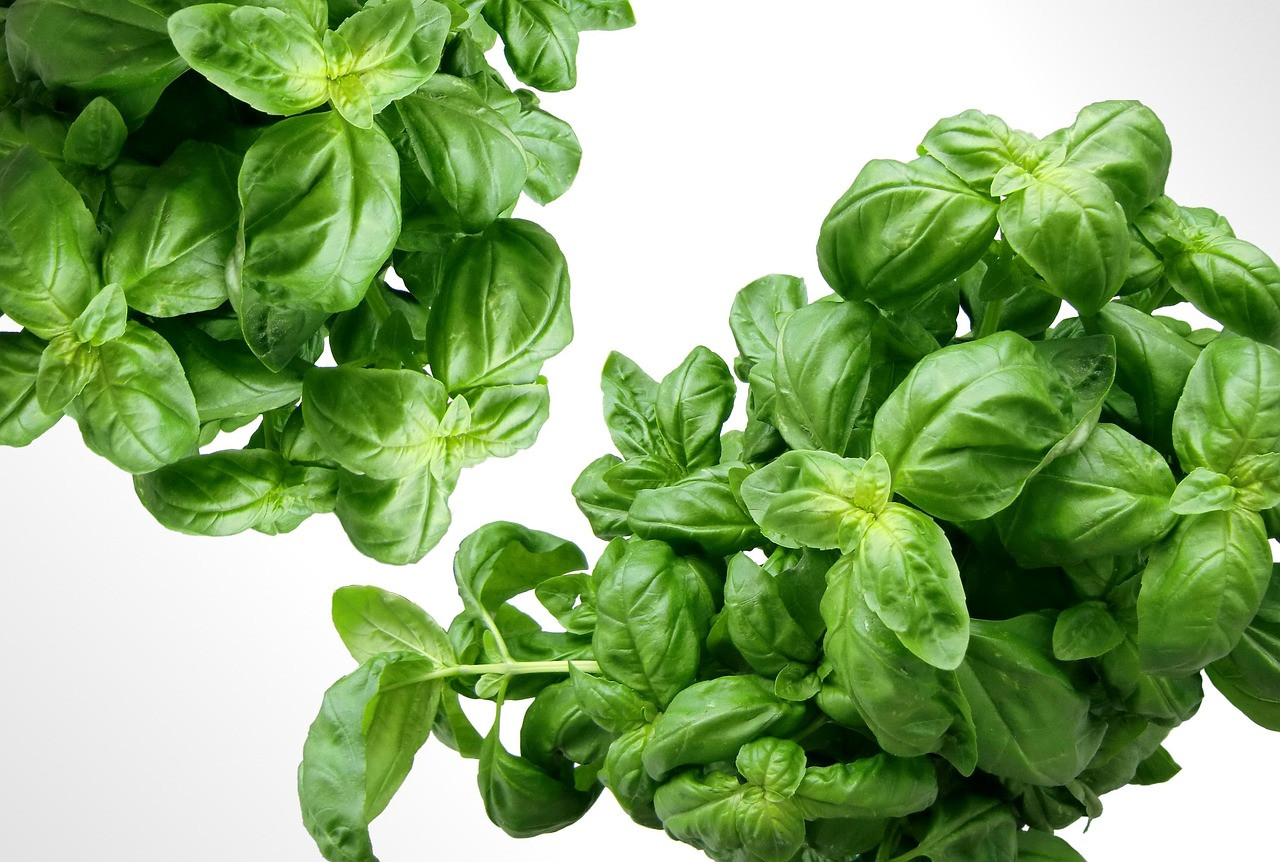
Representative image: Security / Pixabay
Tulsi Vivah 2026 is on Saturday, 21 November: the Kartik Shukla Dwadashi starts minutes before sunrise and ends before the next, in India and abroad.
What Happened
Tulsi Vivah 2026 falls on Saturday, 21 November 2026, on the Dwadashi (twelfth lunar day) of the bright half of the month of Kartik, according to the major Hindu almanacs (panchangs). For New Delhi, the Dwadashi tithi begins at 6:31 am on 21 November and ends at 4:56 am on Sunday, 22 November. The same calendars place the date on 21 November for cities in India and abroad, even though the clock times of the tithi differ from place to place.
Key Facts
- Tulsi Vivah 2026: Saturday, 21 November 2026, Kartik Shukla Dwadashi.
- Dwadashi tithi (New Delhi): 6:31 am, 21 November, to 4:56 am, 22 November.
- Dwadashi tithi (Ujjain, Indian Standard Time): 6:32 am, 21 November, to 4:57 am, 22 November; sunrise in Ujjain that day is at 6:48 am and sunset at 5:36 pm.
- Dwadashi tithi (Berlin, local time): 2:01 am, 21 November, to 12:26 am, 22 November.
- Dev Uthani (Prabodhini) Ekadashi comes just before: Friday, 20 November in the Smarta calendar, and Saturday, 21 November in some Vaishnava calendars.
- Kartik Purnima: Tuesday, 24 November 2026; the Purnima tithi runs from 11:42 pm on 23 November to 8:23 pm on 24 November (New Delhi).
- Some almanacs note that the Tulsi Vivah ceremony may be held on any day from Prabodhini Ekadashi to Kartik Purnima.
Why It Matters
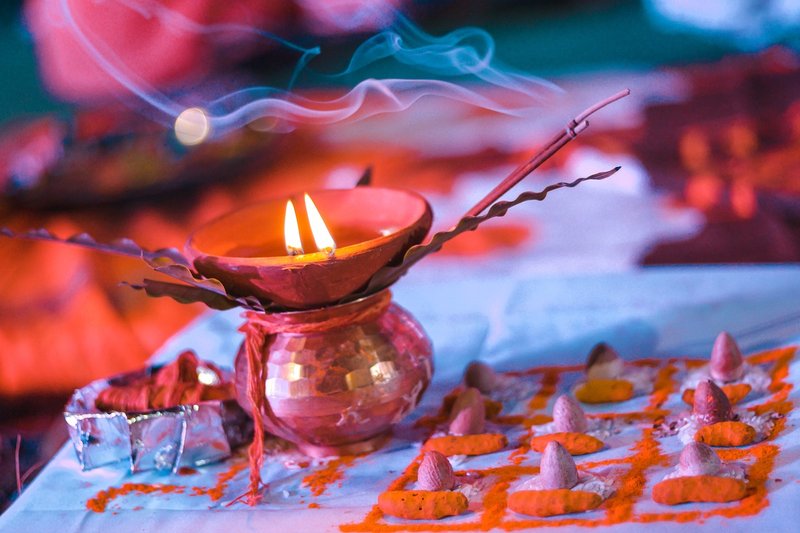
According to tradition, Tulsi Vivah is the ceremonial marriage of the tulsi (holy basil) plant to Lord Vishnu, celebrated in homes and temples after Prabodhini Ekadashi. For families who keep the ritual, the question every year is simple: which day? The answer comes from the way the Hindu calendar counts days.
A tithi is a lunar day. As the timings show, it does not start at midnight and does not last exactly 24 hours, so the almanacs have to decide which calendar day it belongs to; the dates they give follow the tithi that is running at sunrise. In 2026 the Dwadashi starts at about 6:31 am in New Delhi and 6:32 am in Ujjain, a few minutes before sunrise, and it runs through the whole of 21 November. It ends before sunrise the next morning. That is why there is no doubt about the date this year: 21 November is the only day on which Dwadashi is present at sunrise.
The same logic explains why the clock times differ around the world while the date stays the same. A tithi begins at the same instant everywhere on Earth; only the local clock reading changes. In Berlin the Dwadashi begins at 2:01 am local time on 21 November, which is the same moment as 6:31 am in India, and it still covers sunrise on 21 November. For Indian families in Europe, the date of Tulsi Vivah matches the date at home.
There is one point on which calendars differ this year, and it concerns the day before, not Tulsi Vivah itself. The Smarta calendar observes Dev Uthani Ekadashi on Friday, 20 November, while some Vaishnava calendars keep the Ekadashi fast on Saturday, 21 November, the same day as Tulsi Vivah. Households that follow a Vaishnava calendar may therefore keep the Ekadashi fast and the Tulsi Vivah on the same day.
Peepals calculation: In New Delhi the Dwadashi lasts from 6:31 am on 21 November to 4:56 am on 22 November, which is 22 hours and 25 minutes. In Ujjain it begins 16 minutes before the 6:48 am sunrise (6:48 minus 6:32). The Berlin times, 2:01 am to 12:26 am, give the same length of 22 hours and 25 minutes, shifted by 4 hours 30 minutes. The window from Prabodhini Ekadashi (20 November) to Kartik Purnima (24 November) spans five calendar days. Our calculation from the reported figures.
| Place | Dwadashi begins | Dwadashi ends |
|---|---|---|
| New Delhi | 6:31 am, 21 Nov | 4:56 am, 22 Nov |
| Ujjain (IST) | 6:32 am, 21 Nov | 4:57 am, 22 Nov |
| Berlin (local) | 2:01 am, 21 Nov | 12:26 am, 22 Nov |
Impact
Short-term: Families and temples can plan the Tulsi Vivah for Saturday, 21 November 2026. The Dwadashi covers the whole of that day, until early on 22 November.
Long-term: Understanding the sunrise rule helps readers see why festival dates sometimes differ between calendars and cities, and why in years like this one they do not.
Who is affected: Hindu households and temples that observe Tulsi Vivah, including Indian families abroad, and those who keep the Dev Uthani Ekadashi fast.
What to watch next: Kartik Purnima on Tuesday, 24 November 2026 closes the period in which, according to some almanacs, the ceremony may still be held.
Key Takeaway
Tulsi Vivah 2026 is on Saturday, 21 November, because the Kartik Shukla Dwadashi begins just before sunrise that day and ends before the next sunrise, in India and abroad.
Questions and Answers
When is Tulsi Vivah in 2026?
Tulsi Vivah 2026 is on Saturday, 21 November 2026, on Kartik Shukla Dwadashi. In New Delhi the Dwadashi tithi runs from 6:31 am on 21 November to 4:56 am on 22 November.
Is Tulsi Vivah on the same day as Dev Uthani Ekadashi in 2026?
For Smarta households, no: Dev Uthani Ekadashi is on Friday, 20 November and Tulsi Vivah on Saturday, 21 November. Some Vaishnava calendars keep the Ekadashi on 21 November, the same day as Tulsi Vivah.
Can Tulsi Vivah be done on another day?
Some almanacs say the ceremony may be held on any day from Prabodhini Ekadashi to Kartik Purnima, which in 2026 means from 20 November to 24 November.
Is the Tulsi Vivah date different for Indians living abroad?
Not this year. In Berlin, for example, the Dwadashi runs from 2:01 am on 21 November to 12:26 am on 22 November local time, so 21 November is the date there too.
Disclaimer: Prepared by the Peepals newsroom from publicly available sources with AI assistance. Information is accurate to the best of our knowledge at the time of publication and may change. Images may be representative. Not professional advice. Report an error via our contact page.
By Devansh Tiwari, Knowledge Systems WriterCovers Knowledge Systems and more for Peepals Sanskriti. All stories by Devansh Tiwari
BIMSTEC traditional medicine centre to come up at ITRA Jamnagar, Nadda says
Bakingo Madhapur: TG SAFE discards 60 kg expired cake bases
Get the day's stories in your inbox
Peepals Weekly: the week decoded, free. One email a week, unsubscribe in one click.
Devansh Tiwari is a pen name of the Peepals Global Editorial Team, which researches, fact-checks and publishes every story. The portrait is an illustration.