
Prabodhini Ekadashi 2026: Smarta fast Friday, Vaishnava fast Saturday
 By Devansh TiwariKnowledge Systems Writer, Peepals Sanskriti
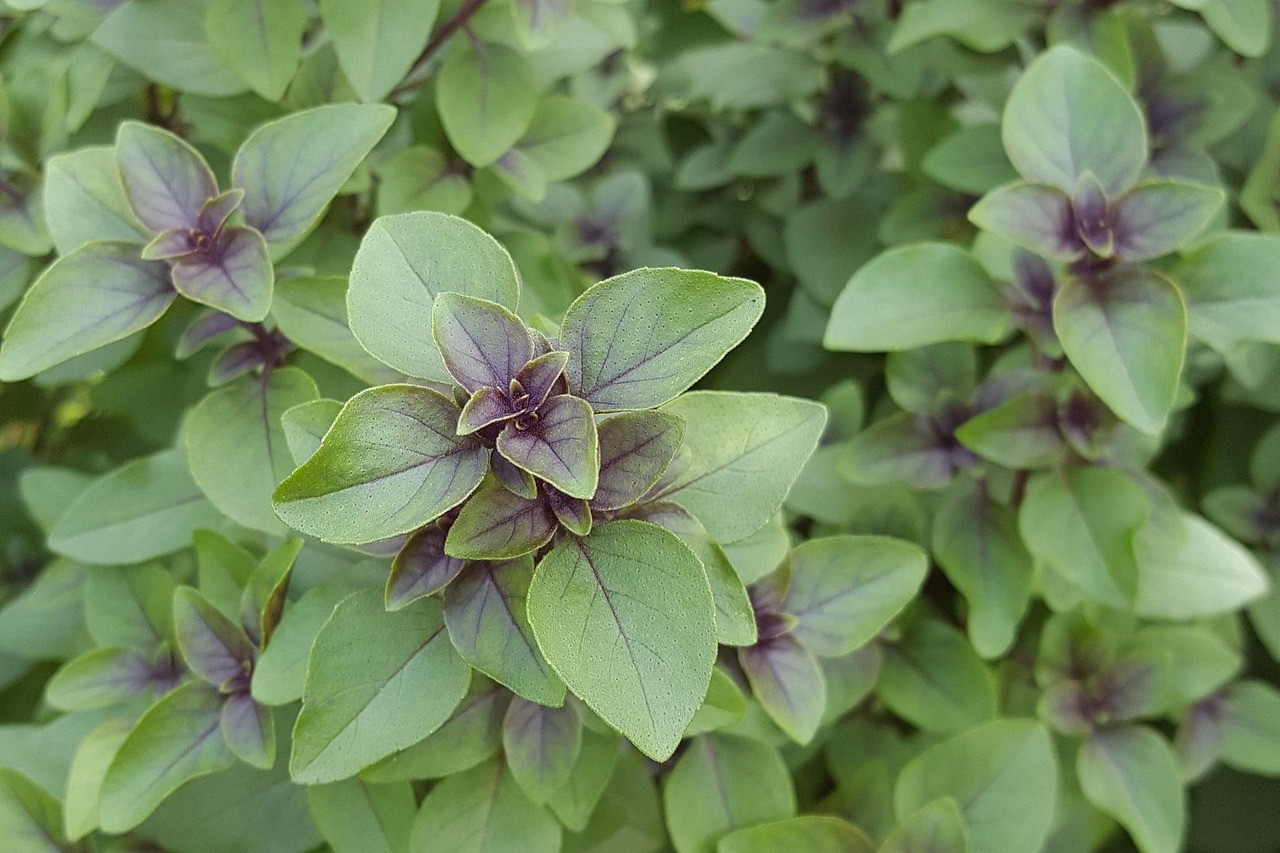
Representative image: MaitedeWu / Pixabay
Dev Uthani Ekadashi 2026 is on 20 November for Smarta households and 21 November for many Vaishnavas, as the tithi runs from 7.15 am on the 20th to 6.31 am.
What Happened
Dev Uthani Ekadashi, also called Prabodhini Ekadashi, falls on Friday, 20 November 2026 for households that follow the Smarta calendar, and on Saturday, 21 November 2026 for many Vaishnava followers, according to published panchang calculations. The Ekadashi tithi, the eleventh lunar day of the bright half of Kartik, begins on the morning of 20 November, at about 7.15 am, and ends at about 6.31 am on 21 November, by these calculations. The fast is broken (parana) on the afternoon of 21 November for Smarta observers, roughly between 1.11 pm and 3.18 pm, and on the morning of Sunday, 22 November for Vaishnava observers, roughly between 6.49 am and 8.56 am. Exact timings vary by city.
Key Facts
- Smarta date: Friday, 20 November 2026; Vaishnava date: Saturday, 21 November 2026, according to panchang-based calendars.
- Ekadashi tithi: from about 7.15 am on 20 November to about 6.31 am on 21 November 2026.
- Smarta parana: 21 November, roughly 1.11 pm to 3.18 pm (published for New Delhi).
- Vaishnava parana: 22 November, roughly 6.49 am to 8.56 am.
- The day marks, in tradition, Vishnu's awakening after four months of yoga nidra, or cosmic sleep.
- Timings differ slightly between calendars and cities, and local panchangs should be checked.
Why It Matters
Ekadashi dates often split into two, and Dev Uthani Ekadashi this year shows why. The difference does not come from a disagreement about the Moon. It comes from two rules for deciding which calendar day "owns" a tithi that does not line up with the solar day.
Smarta practice ties the fast to the tithi in relation to sunrise. This year the Ekadashi tithi begins at about 7.15 am on 20 November and ends at about 6.31 am on 21 November, a span shorter than a full day, and Smarta calendars assign the fast to 20 November.
The Vaishnava rule reads the tithi at arunodaya, the period about 96 minutes before sunrise, instead of at sunrise itself. Applying that test, Vaishnava calendars place the fast a day later, on 21 November, with parana the next morning.
This is a good example of how India's traditional calendar works: a lunar day can begin and end at any hour, while daily life runs from sunrise to sunrise. Different traditions developed precise rules, based on astronomical timing, to settle which day to observe. The rules are matters of tradition and practice; the astronomy behind them, the changing angle between the Sun and Moon that defines each tithi, can be calculated precisely.
Dev Uthani Ekadashi is also closely linked to Tulsi Vivah, the ceremonial marriage of the tulsi plant, which follows it.
Peepals calculation: From about 7.15 am on 20 November to about 6.31 am on 21 November, the Ekadashi tithi lasts roughly 23 hours and 16 minutes, about 44 minutes short of a full 24-hour day. Because the tithi does not cover a full sunrise-to-sunrise day, the rule a tradition uses decides which date it falls on. Our calculation from the reported figures.
| Tradition | Fasting day | Parana (fast-breaking) |
|---|---|---|
| Smarta | Friday, 20 November 2026 | 21 November, about 1.11 pm to 3.18 pm |
| Vaishnava | Saturday, 21 November 2026 | 22 November, about 6.49 am to 8.56 am |
Impact
Short-term: Families will choose 20 or 21 November for the fast depending on their tradition, and temples may observe different days.
Long-term: Clear explanations of calendar rules help families understand why festival dates sometimes differ between neighbours, communities and published calendars.
Who is affected: Hindu households that keep Ekadashi fasts, temples and priests, and families planning Tulsi Vivah.
What to watch next: The parana windows on 21 November (Smarta) and 22 November (Vaishnava).
Key Takeaway
Dev Uthani Ekadashi 2026 is on 20 November for Smarta households and 21 November for many Vaishnavas, because the tithi runs from about 7.15 am on the 20th to 6.31 am on the 21st.
Questions and Answers
When is Dev Uthani Ekadashi 2026?
On Friday, 20 November 2026 for Smarta households and Saturday, 21 November 2026 for many Vaishnava followers, according to panchang calculations.
Why are there two dates for Dev Uthani Ekadashi?
Smarta practice uses the tithi at sunrise, while the Vaishnava rule checks it at arunodaya, about 96 minutes before sunrise. With the tithi running from about 7.15 am on 20 November to 6.31 am on 21 November, the two rules give different days.
What is the parana time for Dev Uthani Ekadashi 2026?
For Smarta observers, about 1.11 pm to 3.18 pm on 21 November (New Delhi); for Vaishnava observers, about 6.49 am to 8.56 am on 22 November. Check a local panchang for your city.
What does Dev Uthani Ekadashi mark?
In tradition it marks Vishnu's awakening after four months of yoga nidra, and it leads into Tulsi Vivah.
Disclaimer: Prepared by the Peepals newsroom from publicly available sources with AI assistance. Information is accurate to the best of our knowledge at the time of publication and may change. Images may be representative. Not professional advice. Report an error via our contact page.
By Devansh Tiwari, Knowledge Systems WriterCovers Knowledge Systems and more for Peepals Sanskriti. All stories by Devansh Tiwari
Kalpathy Ratholsavam 2026: chariots roll November 14-16 after flag-hoisting
SPIRIT-Ayurveda: paper proposes 11 new items for Ayurveda trial protocols
Get the day's stories in your inbox
Peepals Weekly: the week decoded, free. One email a week, unsubscribe in one click.
Devansh Tiwari is a pen name of the Peepals Global Editorial Team, which researches, fact-checks and publishes every story. The portrait is an illustration.