
Bhai Dooj 2026 on November 11: why the tithi starting on the 10th doesn't count
 By Devansh TiwariKnowledge Systems Writer, Peepals Sanskriti
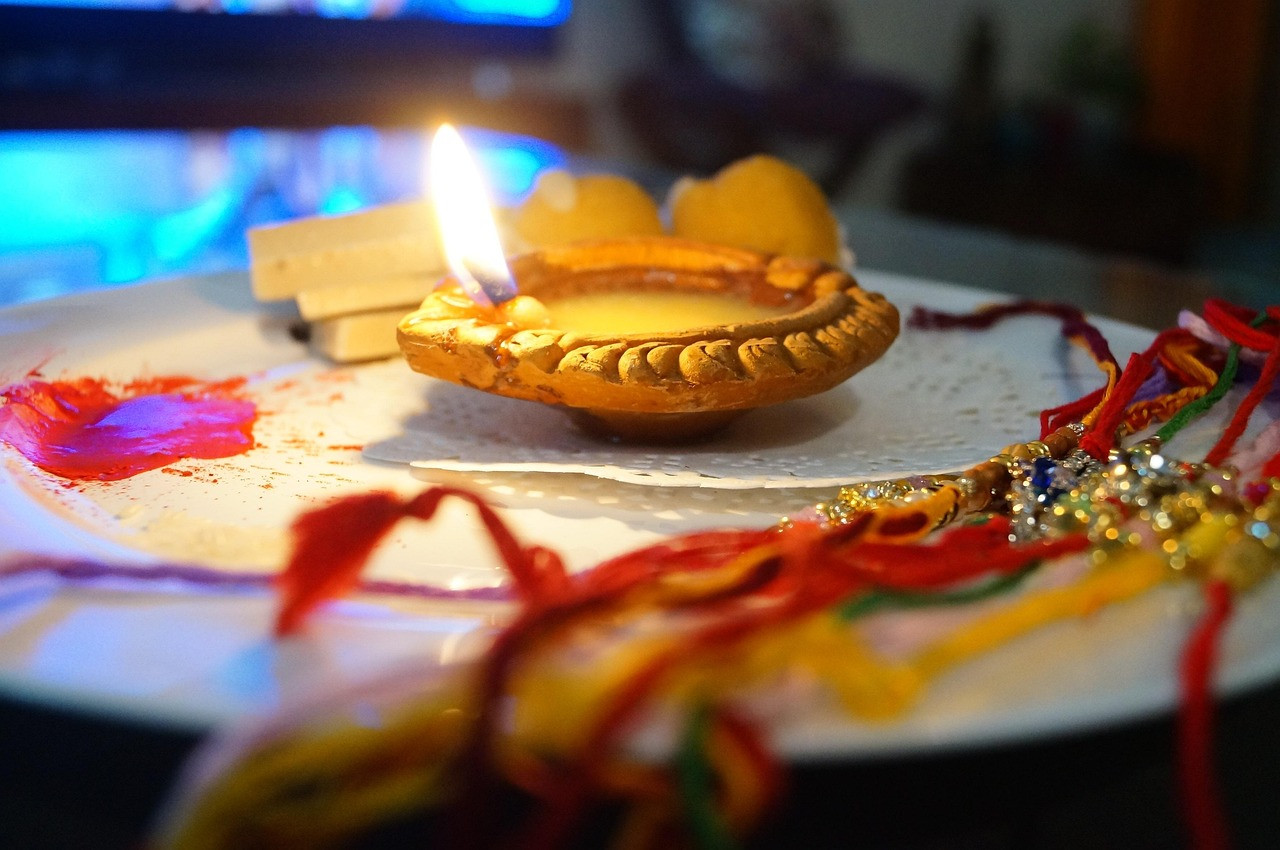
Representative image: minxutopia / Pixabay
Bhai Dooj 2026 falls on Wednesday, 11 November: the Dwitiya tithi starts on the afternoon of 10 November but covers the tilak window only on the 11th.
What Happened
Bhai Dooj 2026 will be observed on Wednesday, 11 November 2026, even though the Dwitiya tithi, the second lunar day on which the festival falls, begins on the afternoon of Tuesday, 10 November, according to published panchang calculations. The tithi starts at about 2.00 pm on 10 November and ends at 3.53 pm on 11 November. Because the afternoon window that the rituals require falls on 11 November, that is the day families in India will mark the festival, the panchang sources say. The reported window for the tilak ceremony on 11 November is roughly between 1.10 pm and 3.45 pm, with small differences between calendars and cities.
Key Facts
- Festival: Bhai Dooj, the last day of the Diwali festival period, when sisters perform a tilak ceremony for their brothers.
- Date in India: Wednesday, 11 November 2026.
- Dwitiya tithi: from about 2.00 pm on Tuesday, 10 November, to 3.53 pm on Wednesday, 11 November 2026.
- Tilak muhurat, as published: 1.16 pm to 3.28 pm (one panchang), 1.10 pm to 3.20 pm (another) and 1.29 pm to 3.45 pm (a calendar computed for Mumbai).
- Abroad: one calendar says the festival falls on 10 November in the United States, while Australia observes it on the same day as India.
- Diwali this year was on Sunday, 8 November 2026.
Why It Matters
Every year the question "Bhai Dooj kab hai" fills search engines, and this year there is a real reason for the confusion. Hindu festivals are fixed by the tithi, a lunar day, rather than by the calendar date. A tithi does not start at midnight or sunrise; it can begin at any hour and last a little less or a little more than a day. When a tithi straddles two calendar days, the panchang rules for each festival decide which day counts, usually by asking which day has the tithi at the time of day when the main ritual is meant to happen.
In 2026 the Dwitiya tithi begins in the early afternoon of 10 November and runs through most of 11 November. The tilak ceremony is performed in the afternoon, and on 11 November the tithi is still running through the published afternoon windows, which close by about 3.45 pm. That is why the panchang sources place the festival on Wednesday, 11 November, rather than on the 10th, when the tithi had only just begun.
The same logic explains why the date can differ abroad. A tithi starts at the same moment everywhere, but local clock time shifts with the time zone. In the United States, which is many hours behind India, the tithi begins on the morning of 10 November local time, so the afternoon of 10 November already falls inside it. One calendar accordingly lists 10 November for the US, while Australia, ahead of India, keeps 11 November.
The small differences between the published muhurat windows also have a simple cause. Muhurat timings are worked out from local sunrise and sunset, which vary from city to city, and calendar makers use slightly different methods. A window computed for Mumbai will not match one computed for Delhi to the minute. The sources advise checking a local panchang for exact timings.
Peepals calculation: The Dwitiya tithi lasts about 25 hours and 53 minutes this year (from about 2.00 pm on 10 November to 3.53 pm on 11 November). The three published tilak windows last 2 hours 12 minutes, 2 hours 10 minutes and 2 hours 16 minutes. The period that falls inside all three is 1.29 pm to 3.20 pm, a common window of 1 hour 51 minutes. Our calculation from the reported figures.
| Source of timing | Tilak window on 11 November 2026 | Length |
|---|---|---|
| Panchang 1 | 1.16 pm to 3.28 pm | 2 h 12 min |
| Panchang 2 | 1.10 pm to 3.20 pm | 2 h 10 min |
| Calendar for Mumbai | 1.29 pm to 3.45 pm | 2 h 16 min |
| Common to all three | 1.29 pm to 3.20 pm | 1 h 51 min |
Impact
Short-term: Families planning the festival, and siblings travelling to meet, can plan around Wednesday, 11 November, with the tilak in the early to mid afternoon.
Long-term: Each year the gap between tithi and calendar date shifts, so the question of which day returns; understanding the afternoon rule helps readers make sense of it.
Who is affected: Families across India and the diaspora marking Bhai Dooj, priests and temples, and people travelling during the Diwali week.
What to watch next: The Dwitiya tithi ends at 3.53 pm on Wednesday, 11 November 2026, according to the published panchang.
Key Takeaway
Bhai Dooj 2026 falls on Wednesday, 11 November, because the Dwitiya tithi covers the afternoon tilak window that day, even though it begins on the afternoon of 10 November.
Questions and Answers
Bhai Dooj 2026 kab hai, 10 or 11 November?
In India, Bhai Dooj 2026 is on Wednesday, 11 November. The Dwitiya tithi begins at about 2.00 pm on 10 November, but the afternoon window for the tilak falls inside the tithi on 11 November, according to the panchang sources.
What is the Bhai Dooj tilak muhurat in 2026?
Published windows on 11 November are 1.16 pm to 3.28 pm, 1.10 pm to 3.20 pm, and 1.29 pm to 3.45 pm for Mumbai. All three overlap from 1.29 pm to 3.20 pm. Check a local panchang for your city.
Why do different calendars give different Bhai Dooj timings?
Muhurat timings depend on local sunrise and sunset and on each calendar maker's method, so they differ slightly between cities and publishers.
Is Bhai Dooj on a different date in the US?
One calendar lists 10 November for the United States, because the tithi begins earlier in local clock time there. Australia observes it on 11 November, like India.
Disclaimer: Prepared by the Peepals newsroom from publicly available sources with AI assistance. Information is accurate to the best of our knowledge at the time of publication and may change. Images may be representative. Not professional advice. Report an error via our contact page.
By Devansh Tiwari, Knowledge Systems WriterCovers Knowledge Systems and more for Peepals Sanskriti. All stories by Devansh Tiwari
Great Indian Feast Trail Mumbai: tribal cooks, royal recipes, November 27-29
Ranivas mound Kesariya: Bihar site declared monument of national importance
Get the day's stories in your inbox
Peepals Weekly: the week decoded, free. One email a week, unsubscribe in one click.
Devansh Tiwari is a pen name of the Peepals Global Editorial Team, which researches, fact-checks and publishes every story. The portrait is an illustration.