UAE commits to national rules, research agenda for traditional medicine
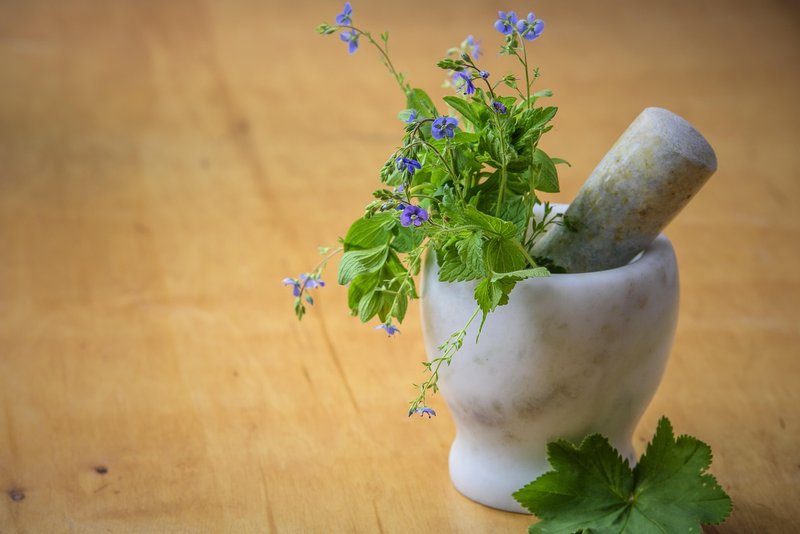
Representative image: Monfocus / Pixabay
At Abu Dhabi's Al Shifaa Summit on Oct 20, 2026, the UAE set four commitments on traditional medicine, a field in which Ayurveda is licensed.
What Happened
The United Arab Emirates announced four national commitments on traditional, complementary and integrative medicine at the opening of the second Al Shifaa Summit for Integrative Medicine in Abu Dhabi on Tuesday, October 20, 2026. The commitments, set out by the UAE Integrative Medicine Council, cover national rules and clinical guidelines, the country's first research agenda for integrative medicine, the training of health workers, and international cooperation. The World Health Organization (WHO) reported the announcement on October 21 and said it is aligned with the WHO Global Traditional Medicine Strategy 2025–2034.
Key Facts
- Event: the second Al Shifaa Summit for Integrative Medicine, held from October 20 to 22, 2026, at ADNEC Centre Abu Dhabi, as part of the Abu Dhabi Future Health Summit 2026.
- Organiser: the UAE Integrative Medicine Council, a federal body set up by a UAE Cabinet decree.
- Commitment one: national policies, regulations and clinical guidelines for traditional, complementary and integrative medicine, built on safety, effectiveness and scientific evidence. WHO's account gives 2028 as the target for this work.
- Commitment two: the UAE's first national research agenda for integrative medicine.
- Commitment three: stronger education and professional training, so that doctors and other health workers understand complementary treatments better.
- The commitments were presented by Safeya Abdulazeez Al Maqtari, Acting Secretary General of the UAE Integrative Medicine Council.
- Ayurveda is already one of the fields in which the UAE issues professional licences for traditional, complementary and alternative medicine, according to the UAE government portal.
Why It Matters
The UAE's announcement sets out to build one national framework for a field that covers many different systems, from Emirati traditional medicine to therapies that came from other parts of the world. Its stated aim is that treatments offered to patients should meet the tests of safety, effectiveness and scientific evidence, the same tests applied to conventional care.
The word that runs through all four commitments is evidence. The council says the new guidelines will focus on treatments that are safe, effective and supported by scientific evidence, and the research agenda is meant to guide studies on approaches that combine traditional practices with conventional care. WHO has described the commitments as aligned with its Global Traditional Medicine Strategy 2025–2034, its plan for this field for the ten years to 2034.
For Ayurveda, the step matters because the UAE is one of the places outside India where the system is formally recognised. The federal government portal lists Ayurveda among the traditional, complementary and alternative medicine fields that are licensed, and the Department of Health in Abu Dhabi publishes a scope of practice that includes a separate section for Ayurveda practitioners. National guidelines and a research agenda could, over time, shape what Ayurveda clinics in the country may offer, how their products are checked, and what training their practitioners need.
The announcement does not by itself change any treatment rule today. The council has not yet published the text of the guidelines or a full timeline, and the details of how each discipline will be assessed are still to come.
| Commitment | What it covers |
|---|---|
| National policies and guidelines | Rules and clinical guidelines for traditional, complementary and integrative medicine |
| Research agenda | The UAE's first national research plan for integrative medicine |
| Education and training | Helping health workers understand complementary treatments |
| International cooperation | Work with WHO and other international institutions |
Impact
Short-term: Practitioners and clinics of traditional and complementary medicine in the UAE, including Ayurveda centres, will watch for draft guidelines and any change in licensing or clinical standards.
Long-term: If the guidelines and research agenda are carried through, treatments that are offered in the UAE will be expected to show stronger scientific support, and practitioners may face clearer training requirements. The move also adds the UAE to the countries working along the lines of the WHO strategy.
Who is affected: Licensed traditional medicine practitioners in the UAE, among them Ayurveda practitioners; patients who use these therapies; conventional doctors who refer to or work alongside them; and makers of traditional medicine products sold in the country.
Key Takeaway
The UAE has committed to national guidelines, a research agenda and practitioner training for traditional and integrative medicine, a framework that will also apply to Ayurveda, a licensed field in the country.
Questions and Answers
What did the UAE announce on traditional medicine in October 2026?
At the second Al Shifaa Summit for Integrative Medicine in Abu Dhabi on October 20, 2026, the UAE Integrative Medicine Council set out four national commitments: national policies, regulations and clinical guidelines; a first national research agenda for integrative medicine; better training for health workers; and international cooperation.
Does the UAE recognise Ayurveda?
Yes. The UAE government portal lists Ayurveda among the traditional, complementary and alternative medicine fields in which it issues professional licences, and Abu Dhabi's Department of Health has a scope of practice for Ayurveda practitioners.
Are the new UAE traditional medicine rules already in force?
No. The commitments were announced, but the text of the guidelines and a full timeline have not been published. According to WHO, 2028 is the target for the national policies and guidelines.
How is this linked to the World Health Organization?
WHO reported the announcement on October 21, 2026, and said the four commitments are aligned with its Global Traditional Medicine Strategy 2025–2034. The commitments also include cooperation with WHO and other international institutions.
Disclaimer: Prepared by the Peepals newsroom from publicly available sources with AI assistance. Information is accurate to the best of our knowledge at the time of publication and may change. Images may be representative. Not professional advice. Report an error via our contact page.
Sourced and fact-checked by the Peepals Global Editorial Team
Sirpur, two Andaman volcano sites join UNESCO World Heritage Tentative List
Ahoi Ashtami 2026 on November 1: why the fast ends at starlight
Reported, fact-checked and published by the Peepals Global Editorial Team.