
Ahoi Ashtami 2026 on November 1: why the fast ends at starlight
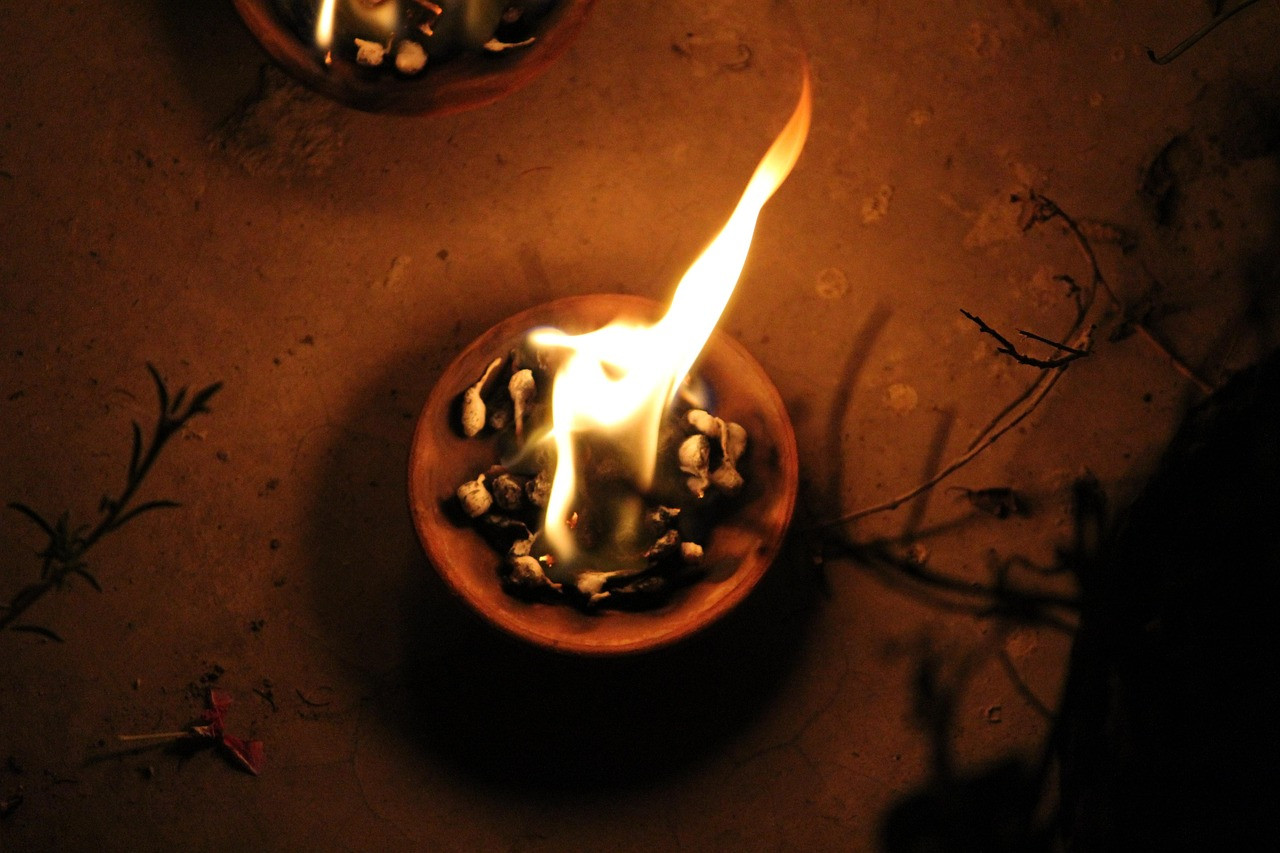
Representative image: Tanuj_handa / Pixabay
Ahoi Ashtami is on November 1, 2026; in Delhi stars appear about 6 pm but the moon rises at 11:40 pm, so the fast ends at starlight.
What Happened
Ahoi Ashtami falls on Sunday, November 1, 2026, according to Hindu almanacs that give the same date. In New Delhi, Drik Panchang lists the Ashtami tithi, the eighth lunar day, from about 2:52 pm on November 1 to about 1:11 pm on November 2, an evening puja time of 5:36 pm to 6:54 pm, stars visible from about 6:00 pm, and moonrise only at 11:40 pm. That gap between the first stars and a moon that rises near midnight is why the fast is broken at starlight.
Key Facts
- Date: Sunday, November 1, 2026, Kartik Krishna Ashtami, the eighth lunar day of the dark fortnight of Kartik.
- Ashtami tithi in New Delhi: about 2:52 pm on November 1 to about 1:11 pm on November 2, according to Drik Panchang; other almanacs differ by a minute or two.
- Puja muhurat in New Delhi: 5:36 pm to 6:54 pm, according to Drik Panchang.
- Star sighting in New Delhi: about 6:00 pm; another almanac gives 6:01 pm.
- Moonrise in New Delhi: 11:40 pm, according to Drik Panchang; another almanac gives 11:41 pm.
- The observance: in tradition, mothers fast from sunrise for their children, worship Ahoi Mata in the evening and end the fast after seeing the stars, or the moon in some families.
- Next year: Ahoi Ashtami falls on Friday, October 22, 2027, according to published festival calendars.
Why It Matters
Ahoi Ashtami is a clear example of how the Hindu calendar ties a ritual to what can actually be seen in the sky. Many fasts in the lunar calendar end at moonrise, and Karwa Chauth, observed just before Ahoi Ashtami, is the best known of them. Ahoi Ashtami is different because of where the moon is in its cycle. The Ashtami of the dark fortnight is the eighth day after the full moon, when the moon is waning and close to half lit. At that stage it rises late in the night, and this year in Delhi it does not appear until 11:40 pm.
A fast that waited for that moon would run for close to a full day and night. The custom instead fixes the end of the fast at the first stars, which in Delhi are expected about 6:00 pm. The almanacs give the puja time as a window around that moment, from 5:36 pm to 6:54 pm. In this way the rule follows a real feature of the sky: on this night, the stars arrive more than five hours before the moon.
The times also differ from city to city. Sunset, star sighting and moonrise depend on where the observer is, so a family in another city will see slightly different times from those listed for Delhi. Almanacs publish separate figures for each place, and readers should check the times for their own city rather than rely on Delhi's.
The tithi, the lunar day, does not match the civil day: it begins on the afternoon of November 1 and ends early in the afternoon of November 2. The evening puja window and the star sighting on November 1 both fall within the tithi, and the almanacs list the observance on that day. Diwali follows a week later, on November 8.
According to tradition, Ahoi Mata is worshipped for the long life and well-being of children. The best-known story tells of a woman who, while digging soil, accidentally killed the young of a porcupine and then lost her own sons; after she kept the fast, the goddess restored them to her. The fast was traditionally kept by mothers of sons; many families now keep it for all their children, daughters and sons alike. These are matters of belief and custom, recorded in the tradition's own stories.
| Event | Time in New Delhi |
|---|---|
| Ashtami tithi begins | about 2:52 pm, November 1 |
| Puja muhurat | 5:36 pm to 6:54 pm |
| Stars visible | about 6:00 pm |
| Moonrise | 11:40 pm |
| Ashtami tithi ends | about 1:11 pm, November 2 |
Impact
Short-term: Families who keep the fast can plan the day around the published times, ending it at star sighting on the evening of November 1.
Long-term: The observance keeps alive a calendar rule that reads the sky directly, and shows how the lunar calendar sets the timing of rituals in every household that follows it.
Who is affected: Mothers and families in North India and in the diaspora who keep the fast, and temples and priests who publish the timings.
Key Takeaway
Ahoi Ashtami falls on November 1, 2026; in Delhi the fast ends at about 6:00 pm when the stars appear, since the moon does not rise until 11:40 pm.
Questions and Answers
When is Ahoi Ashtami in 2026?
Ahoi Ashtami is on Sunday, November 1, 2026. In New Delhi the Ashtami tithi runs from about 2:52 pm on November 1 to about 1:11 pm on November 2, according to Drik Panchang.
What is the star sighting time on Ahoi Ashtami 2026?
In New Delhi, stars are expected at about 6:00 pm on November 1, 2026, according to Drik Panchang. Times differ by city, so check a local almanac.
Why is the Ahoi Ashtami fast broken by seeing stars and not the moon?
On the eighth day after the full moon the waning moon rises late at night. In Delhi on November 1, 2026, moonrise is at 11:40 pm, more than five hours after the stars appear, so the custom ends the fast at starlight.
What is the puja time for Ahoi Ashtami 2026?
Drik Panchang gives the puja muhurat in New Delhi as 5:36 pm to 6:54 pm on November 1, 2026.
Disclaimer: Prepared by the Peepals newsroom from publicly available sources with AI assistance. Information is accurate to the best of our knowledge at the time of publication and may change. Images may be representative. Not professional advice. Report an error via our contact page.
Sourced and fact-checked by the Peepals Global Editorial Team
UAE commits to national rules, research agenda for traditional medicine
Living Veda 2026: Puducherry meet to trace the divine feminine in the Vedas
Reported, fact-checked and published by the Peepals Global Editorial Team.