
Sri Lanka to combine Western, traditional medicine for NCDs at wellness centres
 By Ananya RaoAyush & Wellness Correspondent, Peepals Sanskriti
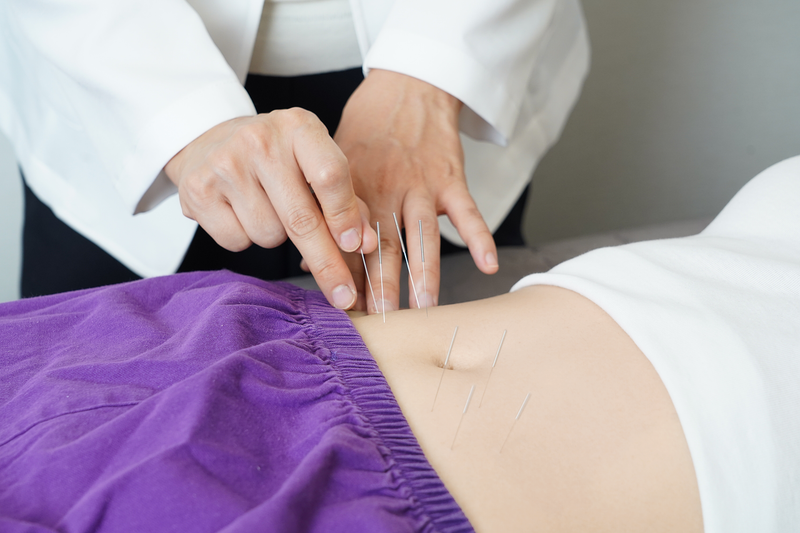
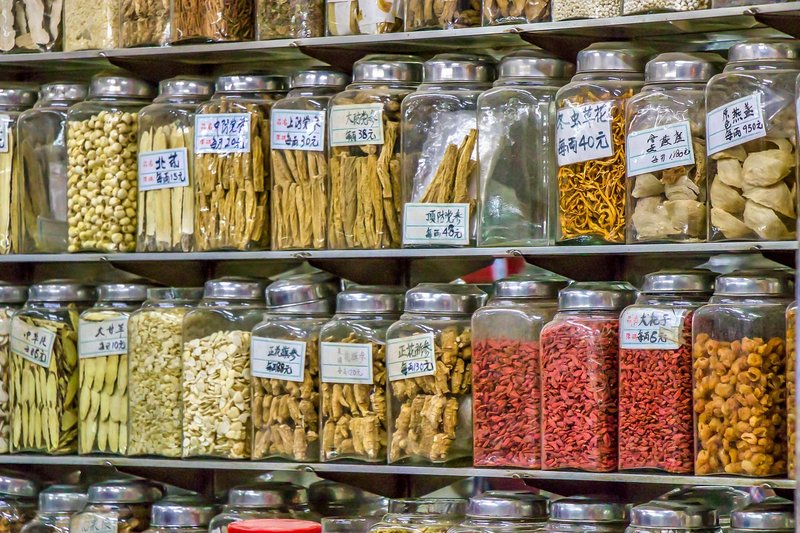
Representative image: InArT / Pixabay
Sri Lanka's Health Minister told Parliament, in remarks reported on 19 November 2026, that Western and traditional medicine will be combined for NCD care.
Sri Lanka traditional medicine: what happened
Sri Lanka plans to combine Western medicine and its traditional systems, which include Ayurveda, Siddha and Unani, in the treatment of non-communicable diseases (NCDs) through wellness centres, Health Minister Dr Nalinda Jayatissa told the country's Parliament, in remarks reported on Thursday, 19 November 2026. The minister said a pilot programme combining the two approaches for musculoskeletal pain has been running for nearly eight months at the Mapalagama Wellness Centre in Galle District.
Sri Lanka traditional medicine: key facts
- Plan: integrated NCD services that bring Western (allopathic) and indigenous medicine together through wellness centres.
- Pilot: at the Mapalagama Wellness Centre in Galle District, for musculoskeletal pain management, running for nearly eight months, according to the minister.
- Policy basis: Sri Lanka's National Policy and Strategic Framework for the Prevention and Control of Non-Communicable Diseases (2023-2033) recognises the indigenous medicine sector as part of NCD services.
- Elderly care: Ayurveda, Siddha and Unani elderly-care services are offered at provincial level, the minister said.
- Training: the National Institute of Indigenous Medicine runs elderly-care training in six provinces.
- Background: a Sri Lankan health ministry figure reported in March 2025 put NCDs behind about 70% of deaths in the country.
Sri Lanka traditional medicine: why it matters
Non-communicable diseases are long-term conditions such as diabetes, heart disease, high blood pressure and joint problems, which are not passed from person to person. They need years of management, not a single course of treatment, and that is where countries with strong traditional medicine systems, including India and Sri Lanka, see a role for them alongside modern medicine.
Sri Lanka's approach is notable because it is about integration inside the public health system rather than parallel services. Its Ministry of Health already oversees both Western and indigenous medicine. The new plan would place both under one roof at wellness centres, with the musculoskeletal pain pilot as the first working example. For patients, that could mean one visit where a doctor trained in Western medicine and a practitioner of indigenous medicine work on the same case.
The plan also raises the questions that India's Ayush sector faces: how to show which combined treatments work, and how to keep them safe. The minister's remarks describe the pilot's existence and duration, not its results, and no outcome data has been published. Researchers reviewing traditional medicine in Sri Lanka have noted that the country has no system of pharmacovigilance, the monitoring of side effects, for traditional medicines. Any expansion would be easier to judge if the pilot's results are made public.
For Indian readers, the development is part of a wider regional trend. India runs its own Ayush system, with Ayurveda, Yoga, Unani, Siddha and Homoeopathy under a separate ministry. Sri Lanka's step shows a neighbour with shared traditions moving the same way, which matters for cooperation in training, research and medicine standards.
Peepals timeline: Sri Lanka adopted its National Policy and Strategic Framework for the Prevention and Control of NCDs for 2023 to 2033, which recognises the indigenous sector. In March 2025, the health ministry's plans to integrate allopathic, indigenous, Ayurveda, traditional, Siddha and Unani medicine were reported, with a target of one primary health care centre for every 5,000 people. The musculoskeletal pain pilot at Mapalagama began nearly eight months before the minister's remarks, placing its start around March 2026. On 19 November 2026, the minister set out the plan to extend integrated care for NCDs through wellness centres.
| Step | Date |
|---|---|
| NCD policy framework recognising indigenous medicine | 2023-2033 |
| Integration plans and 1-per-5,000 primary care target reported | March 2025 |
| Mapalagama musculoskeletal pain pilot begins | about eight months before November 2026 |
| Plan for integrated NCD care via wellness centres | 19 November 2026 |
Sri Lanka traditional medicine: impact
Short-term: The Mapalagama model is the template the minister pointed to, so wellness centres could begin offering combined consultations for long-term conditions.
Long-term: If the combined model is rolled out and evaluated, Sri Lanka could produce useful evidence on how traditional and Western care work together for chronic disease, an area where India's Ayush programmes also need data.
Who is affected: Sri Lankan patients with diabetes, heart disease, joint pain and other long-term conditions; practitioners of Western and indigenous medicine; elderly-care services; and India's Ayush sector, which shares several of these traditions.
Sri Lanka traditional medicine: key takeaway
Watch for published results from the Mapalagama pilot: they will show whether integrated Western and traditional care delivers measurable benefits for chronic disease.
Sri Lanka traditional medicine: questions and answers
What has Sri Lanka announced on traditional medicine?
Its Health Minister told Parliament the government plans to combine Western and traditional medicine, including Ayurveda, Siddha and Unani, to treat non-communicable diseases through wellness centres.
Where is Sri Lanka's integrated medicine pilot?
At the Mapalagama Wellness Centre in Galle District, where a programme combining the two approaches for musculoskeletal pain has been running for nearly eight months.
Has the pilot shown results?
No results have been published. The minister described the pilot's existence and duration, not its outcomes.
Why does this matter for India's Ayush sector?
India and Sri Lanka share Ayurveda, Siddha and Unani traditions, and both face the same task of proving which combined treatments work and keeping them safe.
Disclaimer: Prepared by the Peepals newsroom from publicly available sources with AI assistance. Information is accurate to the best of our knowledge at the time of publication and may change. Images may be representative. Not professional advice. Report an error via our contact page.
By Ananya Rao, Ayush & Wellness CorrespondentCovers Ayush and more for Peepals Sanskriti. All stories by Ananya Rao
Tiruchanoor Brahmotsavams 2026: December 6-14, Panchami Theertham on 14th
TG SAFE suspends four Hyderabad eateries' licences, asks Swiggy, Zomato to delist
Your week ahead, every Sunday. Free.
Exam and result dates, IPOs opening, scheme deadlines, government holidays and the RBI decision for the next 7 days, plus the week's top stories. One email a week, unsubscribe in one click.
Ananya Rao is a pen name of the Peepals Global Editorial Team, which researches, fact-checks and publishes every story. The portrait is an illustration.
Responsible for this story: the Peepals Global Editorial Team, led by editor Prashant Sonar. How we report