India, Burkina Faso traditional medicine talks: Ayush proposes MoU, plant project
 By Ananya RaoAyush & Wellness Correspondent, Peepals Sanskriti
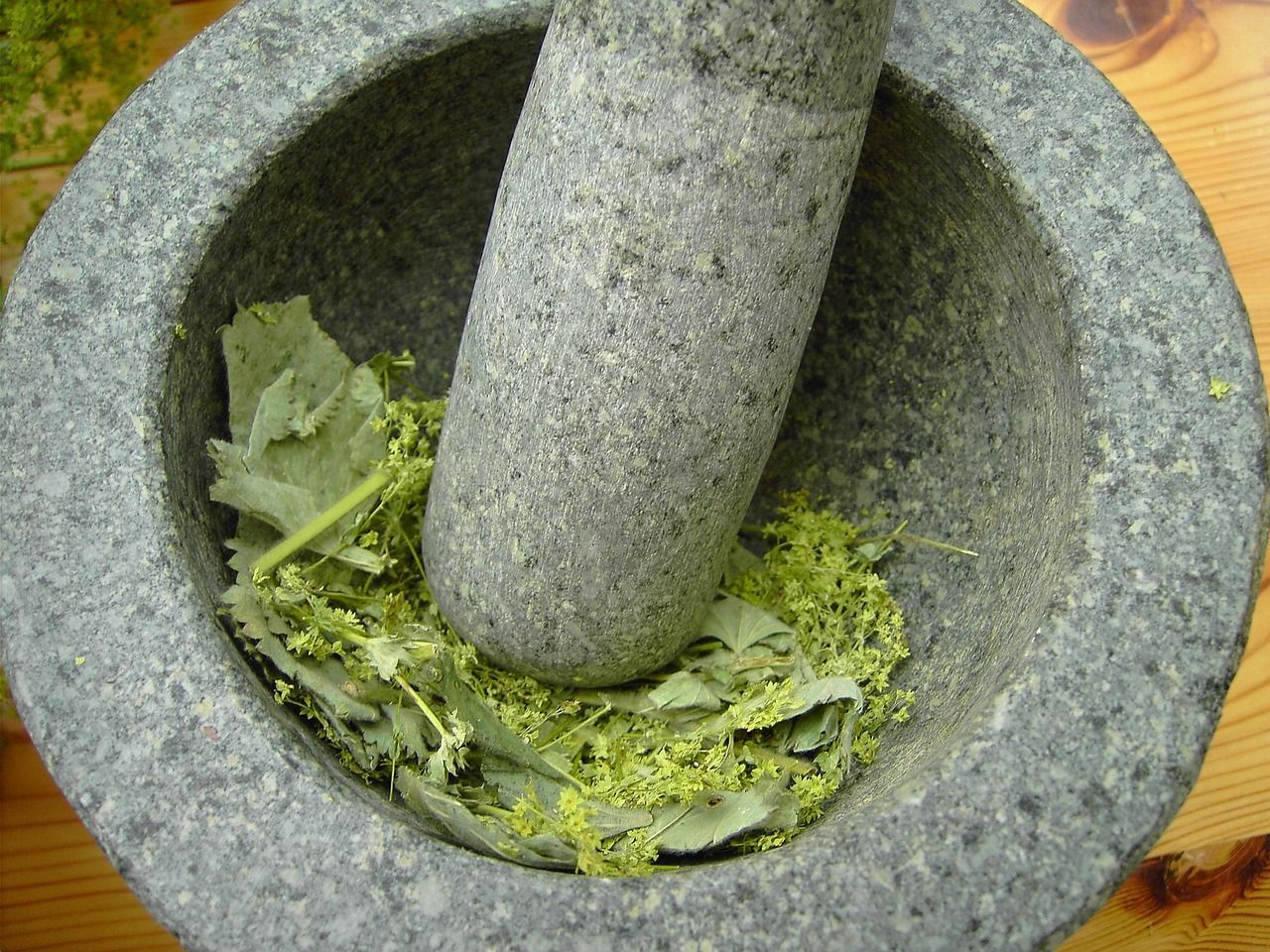
Representative image: Edith_E_I / Pixabay
On 18 November 2026 Ayush minister Prataprao Jadhav proposed an MoU and a medicinal plants project to a Burkina Faso delegation visiting India.
India Burkina Faso traditional medicine: what happened
India has offered Burkina Faso a formal partnership in traditional medicine. On Wednesday, 18 November 2026, Union Minister of State for Ayush Prataprao Jadhav met a delegation from the West African country led by Roger Baro, a minister and special adviser to Burkina Faso's President. According to the Ayush ministry's account of the meeting, Jadhav suggested that the two sides explore a memorandum of understanding between India's Ministry of Ayush and Burkina Faso's Ministry of Health, and a flagship project on conserving and developing traditional medicinal plants with India's National Medicinal Plants Board.
India Burkina Faso traditional medicine: key facts
- The Burkina Faso delegation is in India from 17 to 25 November 2026, on a visit focused on traditional medicine and Ayush institutions.
- The delegation is led by Roger Baro; Prof. Mariam Sawadogo/Bagayan, Director of Traditional and Alternative Medicine at Burkina Faso's Ministry of Health, is the mission's rapporteur.
- Ayush Secretary Vaidya Rajesh Kotecha and senior ministry officials attended the meeting.
- The proposed memorandum of understanding is still an idea to be explored; no agreement has been signed.
- Burkina Faso's President, Captain Ibrahim Traore, had earlier expressed interest in India's help to conserve and sustainably develop the country's traditional medicinal plants.
- India also offered support for yoga and Ayush-based wellness programmes in Burkina Faso, and welcomed the country's participation in programmes of the WHO Global Traditional Medicine Centre in Jamnagar, Gujarat.
- More than 250 Burkinabe nationals have received training and scholarships under Indian programmes such as ITEC and ICCR in recent years, according to the ministry's account.
India Burkina Faso traditional medicine: why it matters
Burkina Faso, like much of West Africa, has a long tradition of healing with local plants, and many of those plants grow wild and are collected rather than farmed. That is why the request from its President was about conservation and sustainable development, not only about medicines. India's National Medicinal Plants Board works on exactly this question at home: how to stop over-harvesting, raise medicinal plants as a crop and keep a record of what grows where. A joint project would mean sharing that experience with a country whose plant knowledge is largely different from India's.
The meeting also shows how the Ayush ministry now works abroad. Instead of simply promoting Indian systems such as Ayurveda and Yoga, it is offering partnerships on standards, training and institutions, and pointing partner countries to the WHO Global Traditional Medicine Centre that India hosts in Jamnagar. The World Health Organization's own world conference on traditional medicine, held in late October 2026, listed a new Global Alliance for Traditional and Integrative Medicine among its outcomes, and countries are lining up partners for that wider effort.
It is worth keeping claims and evidence apart. The meeting was about cooperation, conservation, training and quality standards. Neither side announced any new medicine or claimed any cure, and the value of any traditional remedy still has to be shown through proper research. Standardising plant material, checking its quality and documenting its use are the first steps that make such research possible.
For Indian readers, a deal of this kind could open doors for Ayush institutions, teachers and researchers in Africa, and bring African students to Indian Ayush colleges. Whether it does depends on the agreement actually being signed and funded.
Peepals timeline: Late October 2026: a WHO world conference on traditional medicine closes with a new global alliance among its outcomes. 17 November: the Burkina Faso delegation arrives for a nine-day visit. 18 November: Jadhav meets the delegation and proposes an MoU and a medicinal plants project. 25 November: the visit is due to end. The sources do not give a date for signing any agreement.
India Burkina Faso traditional medicine: impact
Short-term: The delegation's visit to Ayush institutions over the coming week lets Burkinabe officials see India's training, research and regulatory set-up first-hand before any agreement is drafted.
Long-term: If an MoU is signed, it would set up a formal framework for cooperation between the two ministries, and a joint medicinal plants project with the National Medicinal Plants Board could become India's flagship traditional medicine programme in the Sahel region.
Who is affected: Traditional medicine practitioners and regulators in Burkina Faso; Ayush institutions, teachers and researchers in India; communities in Burkina Faso that collect and use medicinal plants; and students who may gain from future training places.
What to watch next: The end of the delegation's visit on 25 November 2026, and any announcement from the Ayush ministry on a memorandum of understanding.
India Burkina Faso traditional medicine: key takeaway
Watch for a signed agreement: until then, the medicinal plants project and the wider partnership remain proposals.
India Burkina Faso traditional medicine: questions and answers
Did India and Burkina Faso sign a traditional medicine agreement?
No. On 18 November 2026 the Ayush minister only suggested that the two ministries explore a memorandum of understanding. No signing has been announced.
What is the proposed medicinal plants project?
It is a suggested joint project on the conservation and sustainable development of Burkina Faso's traditional medicinal plants, to be run with India's National Medicinal Plants Board. Burkina Faso's President had asked for India's support in this area.
What is the WHO Global Traditional Medicine Centre mentioned in the talks?
It is the World Health Organization's centre for traditional medicine based in Jamnagar, Gujarat. India welcomed Burkina Faso's participation in its programmes.
Does this mean traditional remedies from either country have been proven to work?
No. The talks were about cooperation on conservation, quality standards, training and institutions. Any health claim for a remedy still needs proper scientific evidence.
Disclaimer: Prepared by the Peepals newsroom from publicly available sources with AI assistance. Information is accurate to the best of our knowledge at the time of publication and may change. Images may be representative. Not professional advice. Report an error via our contact page.
By Ananya Rao, Ayush & Wellness CorrespondentCovers Ayush and more for Peepals Sanskriti. All stories by Ananya Rao
IITF 2026: Chhattisgarh shows gold-lettered 16th-century Gita manuscript
Sanskriti AI search: Culture Ministry links 65 heritage portals, 22 languages
Your week ahead, every Sunday. Free.
Exam and result dates, IPOs opening, scheme deadlines, government holidays and the RBI decision for the next 7 days, plus the week's top stories. One email a week, unsubscribe in one click.
Ananya Rao is a pen name of the Peepals Global Editorial Team, which researches, fact-checks and publishes every story. The portrait is an illustration.
Responsible for this story: the Peepals Global Editorial Team, led by editor Prashant Sonar. How we report