
Acupoint thread embedding: 3 kg extra weight loss in women, trial finds
 By Ananya RaoAyush & Wellness Correspondent, Peepals Sanskriti
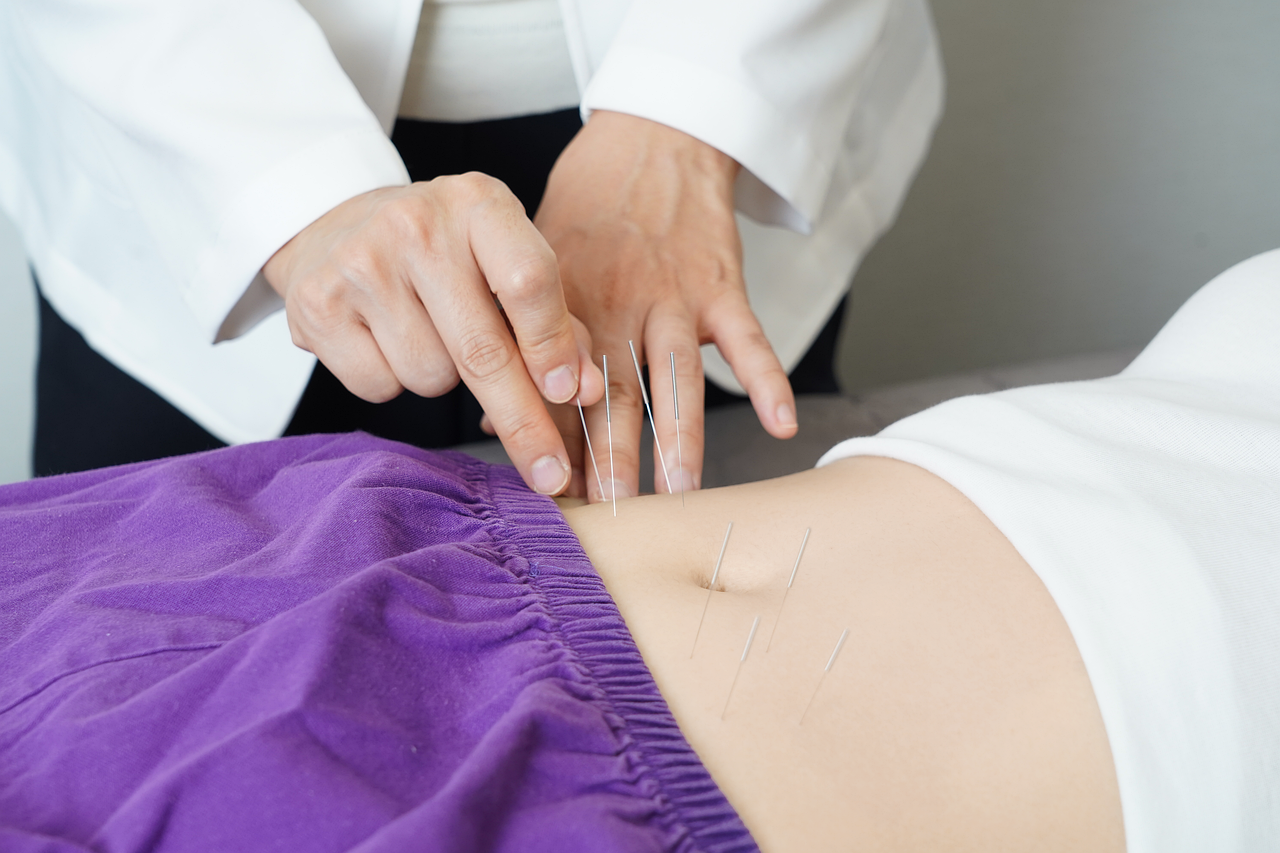
Representative image: KoreanMedicine / Pixabay
A Shanghai trial of 132 women, published on 17 November 2026, found acupoint thread embedding gave about 3 kg more weight loss than a sham at 24 weeks.
Acupoint Thread Embedding: what happened
Acupoint thread embedding, a technique from traditional Chinese medicine in which short absorbable threads are placed under the skin at acupuncture points, helped women with overweight or obesity lose a modest amount of extra weight in a randomised trial published online in Annals of Internal Medicine on Tuesday, 17 November 2026. The study, led by Dr Shifen Xu of the Shanghai University of Traditional Chinese Medicine and run at the acupuncture department of Shanghai Municipal Hospital of Traditional Chinese Medicine, enrolled 132 women aged 18 to 45. Those who received the real procedure lost about 1.8 kg more than a sham group after 12 weeks and about 3 kg more after 24 weeks, according to the paper. An independent expert has questioned whether the procedure itself caused the difference.
Acupoint Thread Embedding: key facts
- Journal: Annals of Internal Medicine, published online on 17 November 2026; trial registered as NCT06316310.
- Participants: 132 women aged 18 to 45 with a body mass index (BMI) of 24.0 or more, assigned in equal numbers to the real or the sham procedure.
- Treatment: six sessions over 12 weeks, followed by 12 weeks of follow-up without treatment.
- Result at 12 weeks: about 1.8 kg more weight loss and a 0.7 point greater drop in BMI than the sham group.
- Result at 24 weeks: about 3.0 kg more weight loss than the sham group.
- At least 5% of body weight lost: 25.8% against 9.1% at 12 weeks, and 31.8% against 10.6% at 24 weeks.
- Limits named by the authors: a single centre, generally healthy women of reproductive age, acupuncturists who knew which treatment they gave, and short follow-up.
Acupoint Thread Embedding: why it matters
Many people who want to lose weight look beyond diet, exercise and medicines. What sets this trial apart is its design: it compared the real procedure with a sham version and followed the women for three months after the last session. It appeared in a general medical journal, not a specialist one.
The results are mixed. The authors report that waist and hip measurements, body fat percentage and appetite scores improved more in the real-treatment group. But measures of heart and metabolic health, and the women's own reports of their wellbeing did not differ between the two groups, according to the paper's summary. The authors themselves describe the effect as "modest but sustained".
The strongest criticism concerns blinding. Edzard Ernst, emeritus professor of complementary medicine at the University of Exeter, said in a reaction collected by the UK's Science Media Centre that neither the therapists nor the women could have been unaware of which treatment was given. In his view, the women's expectations could have changed how closely they kept to their diets, which could explain the weight loss even if the procedure itself did nothing.
For the Ayush systems, the study shows the standard traditional practices are now asked to meet: a registered trial, a sham group and published limits. In the tradition, acupoints are described as points along channels of the body; the trial measured weight, body size and health markers, not those traditional ideas. India's Ministry of Ayush is marking National Naturopathy Day on 18 November with the theme "Prakrutik Chikitsa, Swasth Bharat" and a stated focus on preventing obesity and lifestyle disease, the same problem this trial set out to address.
Peepals calculation: with 132 women split equally, each group had 66. At 12 weeks, 25.8% of 66 is about 17 women in the real-treatment group who lost at least 5% of their weight, against about 6 in the sham group (9.1% of 66). At 24 weeks it was about 21 against 7. The gap of 16.7 percentage points at 12 weeks (25.8 − 9.1) means roughly one extra woman reached the 5% mark for every six treated (100 ÷ 16.7 ≈ 6). Our calculation from the reported figures.
| Measure | Real procedure | Sham procedure |
|---|---|---|
| Women in each group | 66 | 66 |
| Lost 5% or more by week 12 | 25.8% (about 17) | 9.1% (about 6) |
| Lost 5% or more by week 24 | 31.8% (about 21) | 10.6% (about 7) |
| Extra weight loss vs sham, week 12 | about 1.8 kg | - |
| Extra weight loss vs sham, week 24 | about 3.0 kg | - |
Acupoint Thread Embedding: impact
Short-term: Clinics offering thread embedding now have a published trial to cite, and critics have the small effect and the blinding problem. Nothing in it covers people outside the group studied.
Long-term: Firm conclusions would need larger trials at several centres, with longer follow-up, men and older women, and better ways to hide which treatment is given.
Who is affected: Women looking at non-drug weight-loss options, traditional-medicine practitioners and trial designers.
Acupoint Thread Embedding: key takeaway
Treat this as an early, single-centre result with a disputed explanation, and speak to a qualified doctor before trying any weight-loss procedure.
Acupoint Thread Embedding: questions and answers
What is acupoint thread embedding?
A practitioner uses a needle to leave short absorbable threads under the skin at chosen acupuncture points, where they slowly dissolve. In this trial the women had six sessions over 12 weeks.
How was the fake procedure done in the study?
In the sham group, needles were only inserted superficially at the same points. They were not manipulated, no thread was left behind and the needles were not kept in place, so the women felt a similar procedure without the full treatment.
Did the women's heart and metabolic health improve?
According to the paper's summary, heart and metabolic measures and the women's own reports of wellbeing did not differ between the real and sham groups. The differences were in weight, BMI, body measurements and appetite scores.
Is this treatment available or approved in India?
The study does not address India. Thread embedding is not one of the Ayush systems (Ayurveda, Yoga, Unani, Siddha and Homeopathy), and the trial gives no basis for treatment claims; anyone considering it should consult a registered medical practitioner.
Disclaimer: Prepared by the Peepals newsroom from publicly available sources with AI assistance. Information is accurate to the best of our knowledge at the time of publication and may change. Images may be representative. Not professional advice. Report an error via our contact page.
By Ananya Rao, Ayush & Wellness CorrespondentCovers Ayush and more for Peepals Sanskriti. All stories by Ananya Rao
Rasabilasa 2026: Delhi marks Kelucharan Mohapatra centenary on November 19
IITF 2026: Chhattisgarh shows gold-lettered 16th-century Gita manuscript
Your week ahead, every Sunday. Free.
Exam and result dates, IPOs opening, scheme deadlines, government holidays and the RBI decision for the next 7 days, plus the week's top stories. One email a week, unsubscribe in one click.
Ananya Rao is a pen name of the Peepals Global Editorial Team, which researches, fact-checks and publishes every story. The portrait is an illustration.
Responsible for this story: the Peepals Global Editorial Team, led by editor Prashant Sonar. How we report