World Education Congress of Chinese Medicine in Cairo issues Arabic glossary
 By Ananya RaoAyush & Wellness Correspondent, Peepals Sanskriti
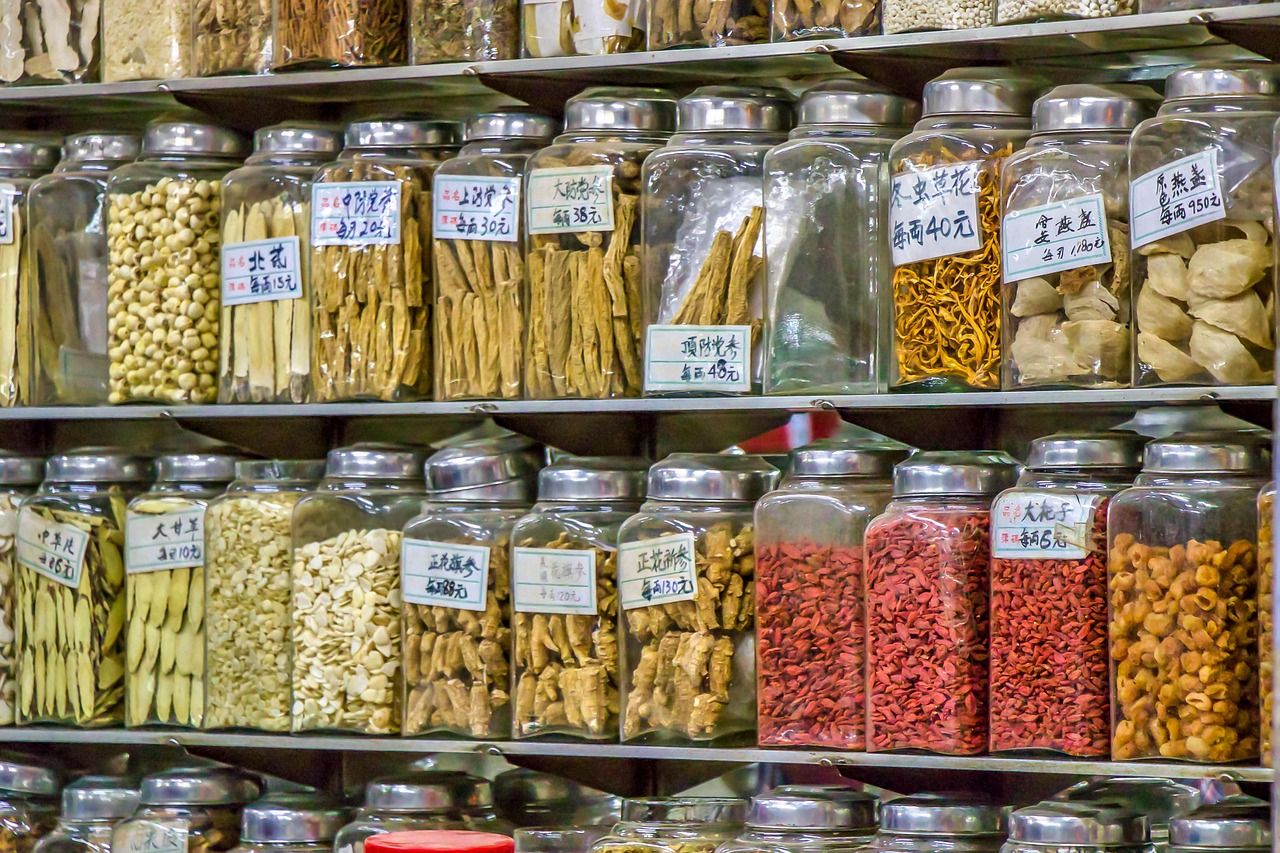
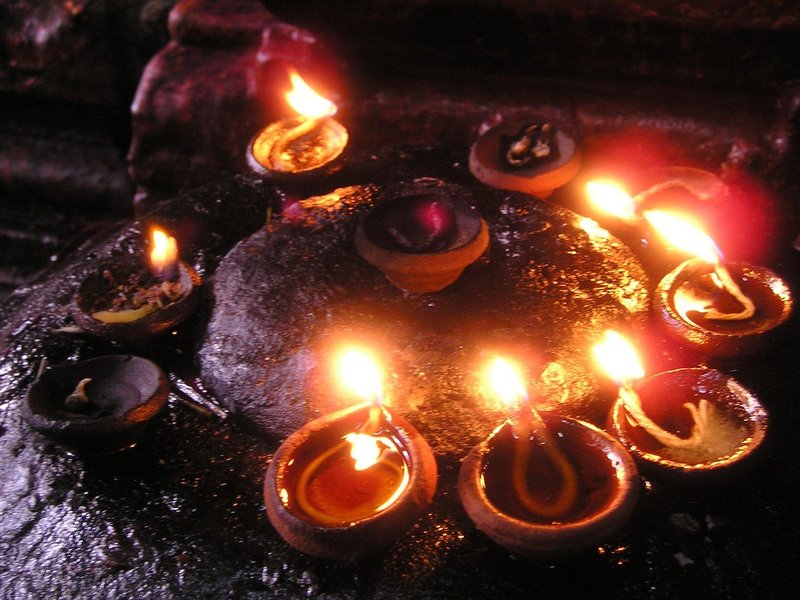
Representative image: nextvoyage / Pixabay
The 8th World Education Congress of Traditional Chinese Medicine met in Cairo on 13-15 November 2026, releasing an education declaration and a Chinese-Arabic glossary.
What Happened
The 8th World Education Congress of Traditional Chinese Medicine opened in Cairo on Saturday, 14 November 2026, the first time the meeting has been held in the Arab region. According to the circular of the World Federation of Chinese Medicine Societies, the congress ran from 13 to 15 November in Cairo. It was organised jointly by the federation and Egypt's Ministry of Health and Population and drew more than 400 government officials, experts, scholars and representatives of universities and companies. Two documents came out of it: the Cairo Declaration on Traditional Chinese Medicine Education, and an International Standard Chinese-Arabic Basic Nomenclature of Chinese Medicine, a shared list of basic terms in the two languages.
Key Facts
- Event: 8th World Education Congress of Traditional Chinese Medicine, Cairo, Egypt, 13 to 15 November 2026; opening on Saturday, 14 November.
- First edition in the Arab region; according to reports of the congress, the seven earlier editions since 2008 were held in Chinese cities, Switzerland and France.
- Organisers named: the World Federation of Chinese Medicine Societies with Egypt's Ministry of Health and Population; the federation's circular names the Egyptian Chinese University as joint host.
- Attendance: more than 400 officials, experts, scholars and representatives of educational institutions and enterprises, as reported.
- Outputs: the Cairo Declaration on Traditional Chinese Medicine Education and a Chinese-Arabic basic nomenclature of Chinese medicine.
- Egypt's Health Minister Khaled Abdel-Ghaffar took part; the Egyptian-Chinese University announced plans for a specialised research centre on traditional Chinese medicine.
Why It Matters
The congress is about teaching, not treatment. Its stated themes, according to the federation's circulars, were international standards for education in traditional Chinese medicine and what the organisers called its high-quality development. That focus is the reason the two documents matter. A declaration on education states what the participating bodies want from courses and training. A two-language nomenclature fixes how basic terms are translated, so that a word used in a lecture in China means the same thing in a textbook or a regulation in an Arabic-speaking country.
The choice of Egypt also has a diplomatic side. Reports from Cairo said the meeting coincided with the 70th anniversary of diplomatic relations between Egypt and China. Egypt's Health Minister Khaled Abdel-Ghaffar spoke of the medical heritage of the two civilisations and praised the Egyptian-Chinese University for its role in cooperation between the two countries, and said Egypt wants to deepen work with China on education, training and research in the field. Zhang Yaqiang, minister and charge d'affaires at the Chinese embassy, said the embassy would keep acting as a bridge for cooperation between China and Egypt, Africa and the Arab countries. Days earlier, on 10 November, a separate China-Arab Forum on Health Cooperation, its third edition, had adopted its own Cairo Declaration; the reports do not say whether the two documents are linked.
The planned research centre drew the boldest claim. Karima Abdel Karim, chair of the board of trustees of the Egyptian-Chinese University, said the university was preparing to set up a centre specialising in traditional Chinese medicine that would be the largest of its kind in Africa. No opening date, investment figure or research capacity was disclosed, and a proposed specialised academy that was discussed at the congress also came without funding or a timetable.
For readers who follow Ayush, the event is a useful comparison rather than a verdict. Traditional systems everywhere face two tasks: consistent teaching across borders, and claims tested by evidence. The Cairo documents address only the first. Nothing announced at the congress was a clinical result, and the meeting made no finding on whether any treatment works.
Peepals calculation: if the first congress was in 2008 and the eighth is in 2026, the eight editions span 18 years, which works out to one edition about every 2.6 years on average (18 years divided by 7 gaps = 2.57). The 70th anniversary also places the start of Egypt-China diplomatic relations in 1956 (2026 minus 70). Our calculation from the reported figures.
Impact
Short-term: Universities and training bodies in Arabic-speaking countries now have a reference list of basic Chinese medicine terms in Arabic, and the federation's members have a common statement to cite when planning courses.
Long-term: If the Egyptian-Chinese University builds the research centre it has announced, Egypt could become a base for teaching and research in this field across Africa and the Arab world. Until a date, budget and research programme are published, that remains a plan.
Who is affected: Students and teachers of traditional Chinese medicine, regulators and universities in Egypt and the Arab region, and, as a point of comparison, those shaping education standards for Ayurveda, Unani, Siddha and homeopathy in India.
Key Takeaway
The first World Education Congress of Traditional Chinese Medicine in the Arab region ended in Cairo with an education declaration and a Chinese-Arabic glossary of basic terms, while Egypt's planned research centre still has no date or budget.
Questions and Answers
What is the World Education Congress of Traditional Chinese Medicine in Cairo?
It is the World Federation of Chinese Medicine Societies' meeting on how the system is taught. The 8th edition ran in Cairo from 13 to 15 November 2026, with the opening on 14 November, and was the first held in the Arab region.
What did the Cairo congress produce?
Two documents: the Cairo Declaration on Traditional Chinese Medicine Education, and an International Standard Chinese-Arabic Basic Nomenclature of Chinese Medicine, which sets agreed Arabic terms for basic Chinese medicine vocabulary.
Is Egypt opening a traditional Chinese medicine research centre?
The Egyptian-Chinese University says it is preparing to set one up and describes it as the largest of its kind in Africa. No opening date, cost or research plan has been announced.
Does the congress show that traditional Chinese medicine treatments work?
No. The congress dealt with education standards and terminology. It announced no clinical trial or study result, so it says nothing new about whether any treatment is effective.
Disclaimer: Prepared by the Peepals newsroom from publicly available sources with AI assistance. Information is accurate to the best of our knowledge at the time of publication and may change. Images may be representative. Not professional advice. Report an error via our contact page.
By Ananya Rao, Ayush & Wellness CorrespondentCovers Ayush and more for Peepals Sanskriti. All stories by Ananya Rao
Get the day's stories in your inbox
Peepals Weekly: the week decoded, free. One email a week, unsubscribe in one click.
Ananya Rao is a pen name of the Peepals Global Editorial Team, which researches, fact-checks and publishes every story. The portrait is an illustration.
Responsible for this story: the Peepals Global Editorial Team, led by editor Prashant Sonar. How we report