WHO herbal medicine standards: 12 monographs advance at Hong Kong meeting
 By Ananya RaoAyush & Wellness Correspondent, Peepals Sanskriti
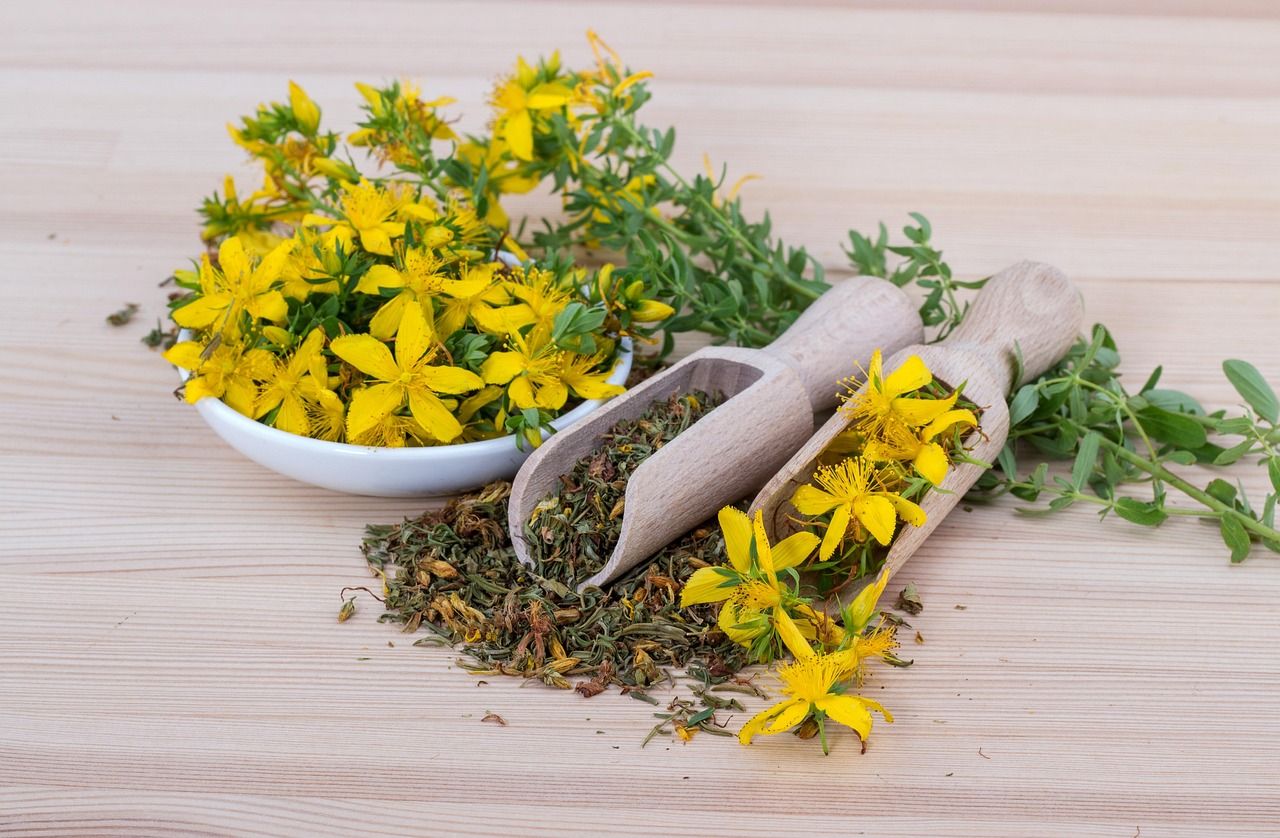
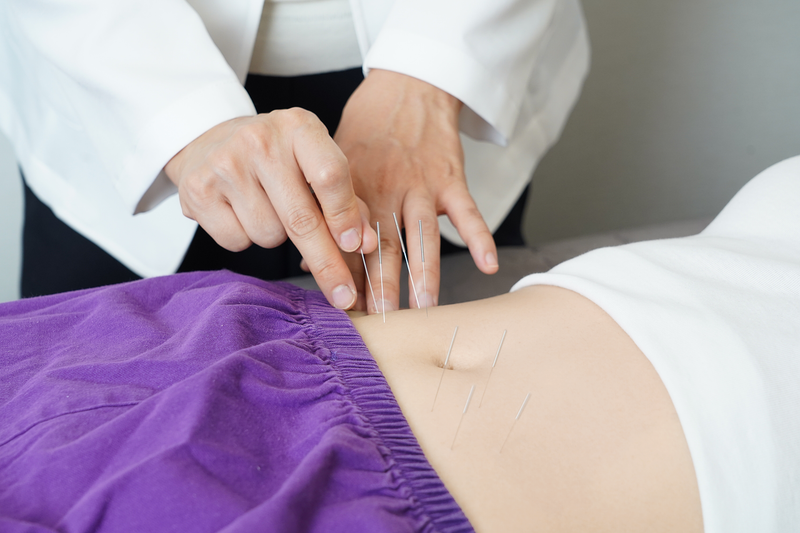
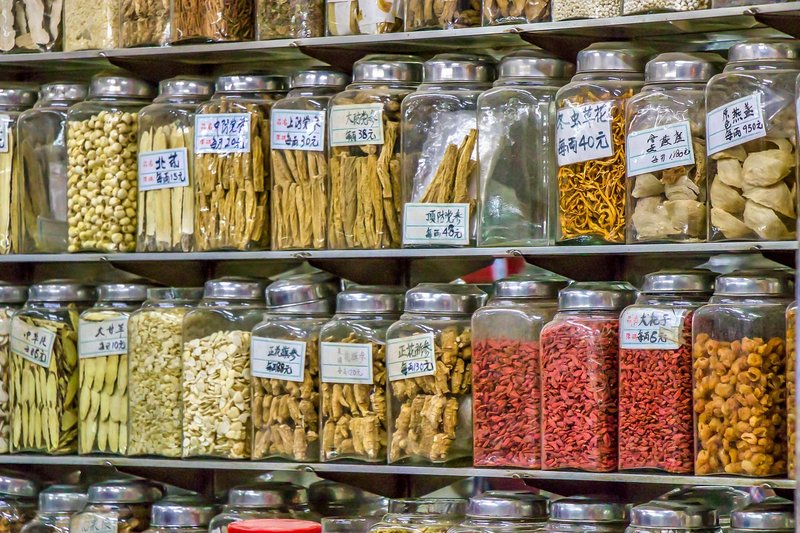
Representative image: FinjaM / Pixabay
WHO's Jamnagar-based traditional medicine centre met experts in Hong Kong on 16-18 November 2026 on the first 12 international herbal medicine standards.
WHO herbal medicine standards: what happened
The World Health Organization's Global Traditional Medicine Centre, the WHO department based in Jamnagar, Gujarat, held an expert meeting in Hong Kong from Monday, 16 November to Wednesday, 18 November 2026 to push ahead with the first internationally harmonised quality standards for herbal medicines. Experts from all six WHO regions met to work on the first volume of the International Herbal Pharmacopoeia, which will carry 12 monographs, or detailed standard entries, on priority herbal medicines. WHO thanked the Department of Health of the Hong Kong Special Administrative Region for hosting the third such meeting in the city.
WHO herbal medicine standards: key facts
- What: an expert meeting on international quality standards for herbal medicines, part of WHO's work on an International Herbal Pharmacopoeia.
- When and where: 16 to 18 November 2026, in Hong Kong.
- Convened by: the WHO Global Traditional Medicine Centre, a WHO headquarters department outposted to Jamnagar in India.
- First volume: 12 monographs on priority herbal medicines.
- New element: each monograph is to include a section on biodiversity, traditional knowledge and the sustainable use of the plant concerned.
- Process: the meeting is the latest in a series of online and in-person meetings WHO has held since November 2024; an earlier expert meeting in Hong Kong ran from 16 to 18 June 2026.
- Hong Kong's role: the WHO Collaborating Centre for Traditional Medicine at Hong Kong's Department of Health contributes technical work, including drafting selected monographs.
WHO herbal medicine standards: why it matters
A pharmacopoeia is a rulebook for medicines. For each substance it sets out how to identify it, how pure it must be, what it may contain and how it should be tested. Many places keep their own; Hong Kong, for example, has published its Chinese Materia Medica Standards in 12 volumes covering 357 standards since 2002. The problem for patients and traders is that these national rulebooks do not always match. The same herb can be judged acceptable in one country and fail tests in another, which makes it harder to trade herbal products across borders and harder for regulators to be sure of what is on the shelf.
WHO's plan is to set common standards that any country can use or adapt. Starting with 12 priority herbal medicines keeps the first volume small, but it is meant to show how harmonised testing could work. The new section on biodiversity, traditional knowledge and sustainable use is a notable addition. Putting sustainability into a quality standard, rather than leaving it to separate policy papers, links how a plant is sourced to how it is judged.
The work also matters for India in a direct way. The centre leading it is outposted to Jamnagar, where the Indian government provided land and a 10-year commitment to support its operations. For Indian makers of Ayurvedic and herbal products who export, a common international standard could in time simplify approvals abroad, though it will depend on whether regulators adopt it.
The meeting is not a decision on any medicine. Quality standards say how a herb should be tested and what it should contain; they do not say a remedy works or is safe for any particular illness. Readers should not treat this work as a judgment on the effectiveness of herbal treatments.
Peepals timeline: WHO's series of meetings on the herbal pharmacopoeia began in November 2024. An expert meeting in Hong Kong ran from 16 to 18 June 2026. In September 2026 WHO published its global research agenda for traditional, complementary and integrative medicine for 2025 to 2034. The World Conference on Traditional Medicine closed in Beijing on 18 October 2026 with the Beijing Initiative on medicinal plant resources and the creation of a Global Alliance for Traditional and Integrative Medicine. The November meeting in Hong Kong followed from 16 to 18 November, and WHO's next Global Summit on Traditional Medicine is due in Bangkok from 10 to 12 November 2027.
| Date | Step |
|---|---|
| November 2024 | WHO's series of meetings on the herbal pharmacopoeia begins |
| 16-18 June 2026 | Expert meeting in Hong Kong |
| September 2026 | WHO research agenda for traditional medicine, 2025-2034 |
| 18 October 2026 | World Conference on Traditional Medicine closes in Beijing |
| 16-18 November 2026 | Third Hong Kong meeting; work on first volume of 12 monographs |
WHO herbal medicine standards: impact
Short-term: Drafting continues on the first 12 monographs, with the added section on biodiversity and traditional knowledge.
Long-term: Once published, the standards could give regulators and manufacturers in many countries a shared way to test herbal medicines, which may ease trade and improve quality checks.
Who is affected: Regulators of traditional and herbal medicines, manufacturers and exporters of herbal products, including Indian Ayurveda companies, testing laboratories, and patients who use herbal remedies.
What to watch next: WHO's Third Global Summit on Traditional Medicine in Bangkok from 10 to 12 November 2027.
WHO herbal medicine standards: key takeaway
Watch for the publication of the first volume of WHO's International Herbal Pharmacopoeia, which will set common tests for 12 herbal medicines and could shape how Ayurvedic and other herbal products are checked worldwide.
WHO herbal medicine standards: questions and answers
What is the WHO International Herbal Pharmacopoeia?
It is WHO's planned set of internationally harmonised quality standards for herbal medicines. The first volume is to contain 12 monographs, each setting out how a priority herbal medicine should be identified and tested.
Where and when did the latest WHO herbal medicine meeting take place?
In Hong Kong, from 16 to 18 November 2026, with experts from all six WHO regions. It was the third such meeting hosted in the city.
How is India connected to this work?
The meeting was convened by the WHO Global Traditional Medicine Centre, a WHO department outposted to Jamnagar in Gujarat, for which the Indian government has provided land and long-term support.
Does a WHO quality standard mean a herbal medicine works?
No. A quality standard sets how a herb should be identified, tested and checked for purity. It is not evidence that a remedy treats any illness.
Disclaimer: Prepared by the Peepals newsroom from publicly available sources with AI assistance. Information is accurate to the best of our knowledge at the time of publication and may change. Images may be representative. Not professional advice. Report an error via our contact page.
By Ananya Rao, Ayush & Wellness CorrespondentCovers Ayush and more for Peepals Sanskriti. All stories by Ananya Rao
India Pavilion at Venice Biennale closes November 22 after 198 days
Bisleri FSSAI case: water sample failed bromate test, prosecution cleared
Your week ahead, every Sunday. Free.
Exam and result dates, IPOs opening, scheme deadlines, government holidays and the RBI decision for the next 7 days, plus the week's top stories. One email a week, unsubscribe in one click.
Ananya Rao is a pen name of the Peepals Global Editorial Team, which researches, fact-checks and publishes every story. The portrait is an illustration.
Responsible for this story: the Peepals Global Editorial Team, led by editor Prashant Sonar. How we report