
Haryana food tests: 170 of 861 sweet, paneer samples fail before Diwali
 By Devansh TiwariKnowledge Systems Writer, Peepals Sanskriti
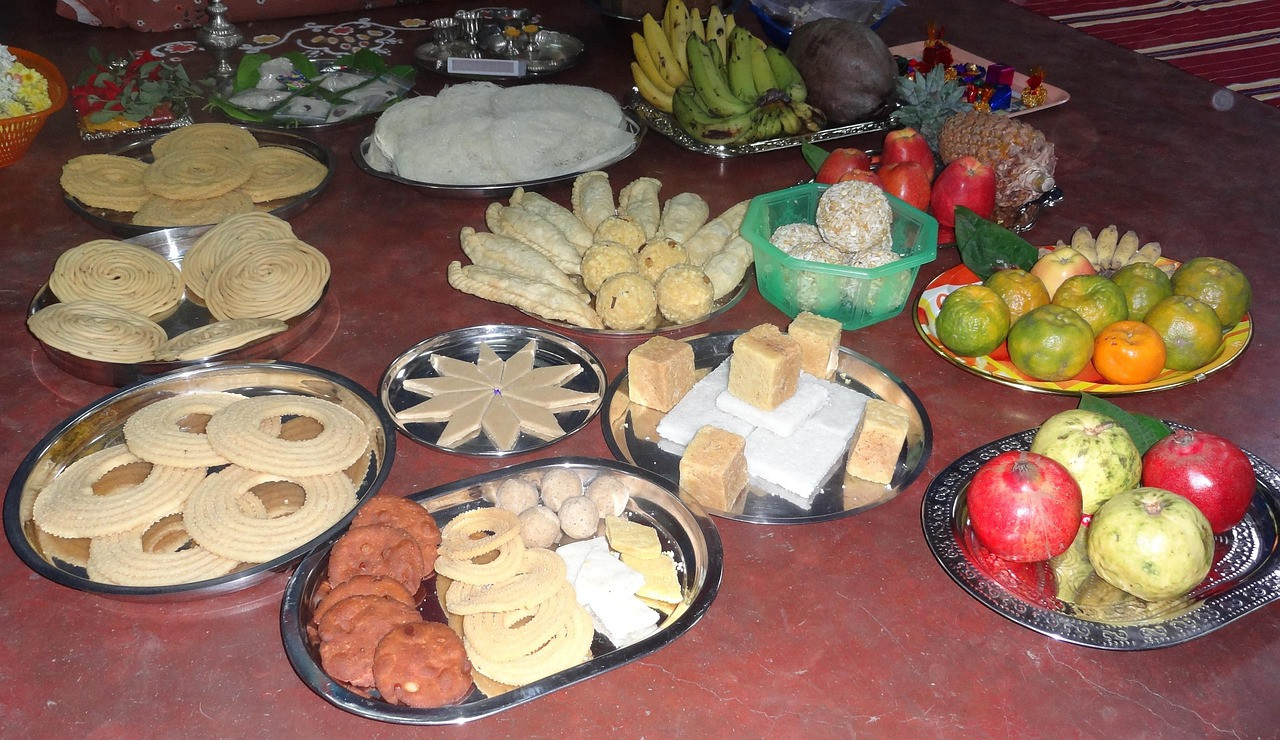
Representative image: prasadganapule69 / Pixabay
Haryana's FDA destroyed nearly 50,000 kg of adulterated sweets and fake paneer; 170 of 861 samples tested failed, and failed vendors are being named online (2-3 November 2026).
What Happened
Haryana's Food and Drug Administration (FDA) has destroyed nearly 50,000 kg of adulterated sweets and fake paneer in a statewide drive ahead of Diwali, and 170 of the 861 food samples it has tested so far have failed to meet the prescribed standards. Of those, 140 were found substandard and 30 were declared unsafe for human consumption. The figures were released on Monday, 2 November and Tuesday, 3 November 2026. Health Minister Arti Singh Rao said the department had collected 1,288 samples of sweets, khoya, milk, paneer and other food items since the special inspection drive began on 1 October 2026. The FDA has also begun putting the names and addresses of shopkeepers and vendors whose samples failed on its official portal, so that buyers can see them.
Key Facts
- Drive: a special statewide food inspection drive by Haryana's FDA, running since Thursday, 1 October 2026.
- Samples collected: 1,288 (sweets, khoya, milk, paneer and other items); 861 tested so far.
- Failed: 170 samples, of which 140 were substandard and 30 unsafe for human consumption.
- Destroyed: nearly 50,000 kg of adulterated sweets and fake paneer.
- New step: names and addresses of vendors whose samples failed are being posted on the FDA Haryana portal.
- Also in force: a one-year state ban on selling "analogue" or non-dairy paneer and on selling margarine as "butter" or "makhan".
- Diwali falls on Sunday, 8 November 2026, when demand for sweets peaks.
Why It Matters
Milk sweets, khoya and paneer sit at the centre of the Diwali table in north India, and demand for them jumps in the weeks before the festival. That is also when adulteration rises, because demand outruns the supply of real milk. A cheaper product made with vegetable fat or other substitutes can look and taste close enough to pass at a busy counter. Haryana's figures give a measure of how common the problem is in one state this season.
The two labels in the results carry different weight. The department reported 140 samples as substandard, meaning they fell short of the quality standard set for that food, and a separate 30 as unsafe for human consumption. The unsafe group is the more serious finding, while the substandard group points mainly to buyers not getting what they paid for.
The decision to publish vendors' names is the most unusual part of the drive. Most announcements of such drives give seizures and sample counts. Putting names and addresses on a public portal turns a lab result into information a family can use before choosing where to buy.
The drive runs alongside the state's one-year ban on analogue paneer, a product that looks like paneer but in which milk fat or milk solids are replaced, in whole or part, with vegetable oil or other non-milk ingredients. The state treats selling it as paneer as misleading and an unfair trade practice under the Act. According to a report on the ban, 200 of 285 paneer and analogue paneer samples tested in Haryana did not conform to standards.
Peepals calculation: 170 failures out of 861 samples tested is about 20%, roughly one in five (170 ÷ 861 = 0.197); the 30 unsafe samples are about 3.5% of those tested (30 ÷ 861 = 0.035); and 427 of the 1,288 samples collected, about a third, were still awaiting results (1,288 − 861 = 427). Our calculation from the reported figures.
| Measure | Number |
|---|---|
| Samples collected since 1 October | 1,288 |
| Samples tested so far | 861 |
| Substandard | 140 |
| Unsafe for human consumption | 30 |
| Adulterated sweets and fake paneer destroyed | nearly 50,000 kg |
Impact
Short-term: Shoppers in Haryana buying sweets, khoya and paneer for Diwali can check the FDA portal for vendors whose samples failed. Shops named there face lost business in the busiest week of the year, on top of any legal action.
Long-term: About a third of the samples collected are still to be tested, so the list of failed vendors on the portal may grow after the festival. Public naming, if it continues, adds a reputational cost for sellers on top of legal action.
Who is affected: Families in Haryana buying festival food, sweet shops and dairy vendors, and food safety officers who must finish testing the remaining samples.
Key Takeaway
One in five food samples tested in Haryana's pre-Diwali drive failed, and buyers can now see the names of the vendors on the state FDA's portal.
Questions and Answers
How many food samples failed in Haryana before Diwali 2026?
Of the 861 samples tested so far, 170 failed to meet the prescribed standards: 140 were substandard and 30 were declared unsafe for human consumption. In all, 1,288 samples have been collected since 1 October 2026.
How much adulterated food has Haryana destroyed?
The state Food and Drug Administration has destroyed nearly 50,000 kg of adulterated sweets and fake paneer during the drive.
Can buyers find out which shops failed the tests?
Yes. The FDA has started posting the names and addresses of shopkeepers and vendors whose samples failed on the official FDA Haryana portal.
Disclaimer: Prepared by the Peepals newsroom from publicly available sources with AI assistance. Information is accurate to the best of our knowledge at the time of publication and may change. Images may be representative. Not professional advice. Report an error via our contact page.
By Devansh Tiwari, Knowledge Systems WriterCovers Knowledge Systems and more for Peepals Sanskriti. All stories by Devansh Tiwari
Waree Leeba: first North East festival of Manipur's storytelling art opens in Imphal
Tawang conference studies how Buddhism spread across the Himalayas
Get the day's stories in your inbox
Peepals Weekly: the week decoded, free. One email a week, unsubscribe in one click.
Devansh Tiwari is a pen name of the Peepals Global Editorial Team, which researches, fact-checks and publishes every story. The portrait is an illustration.