India, France's national library sign pact to digitise Indic manuscripts in Paris
 By Devansh TiwariKnowledge Systems Writer, Peepals Sanskriti
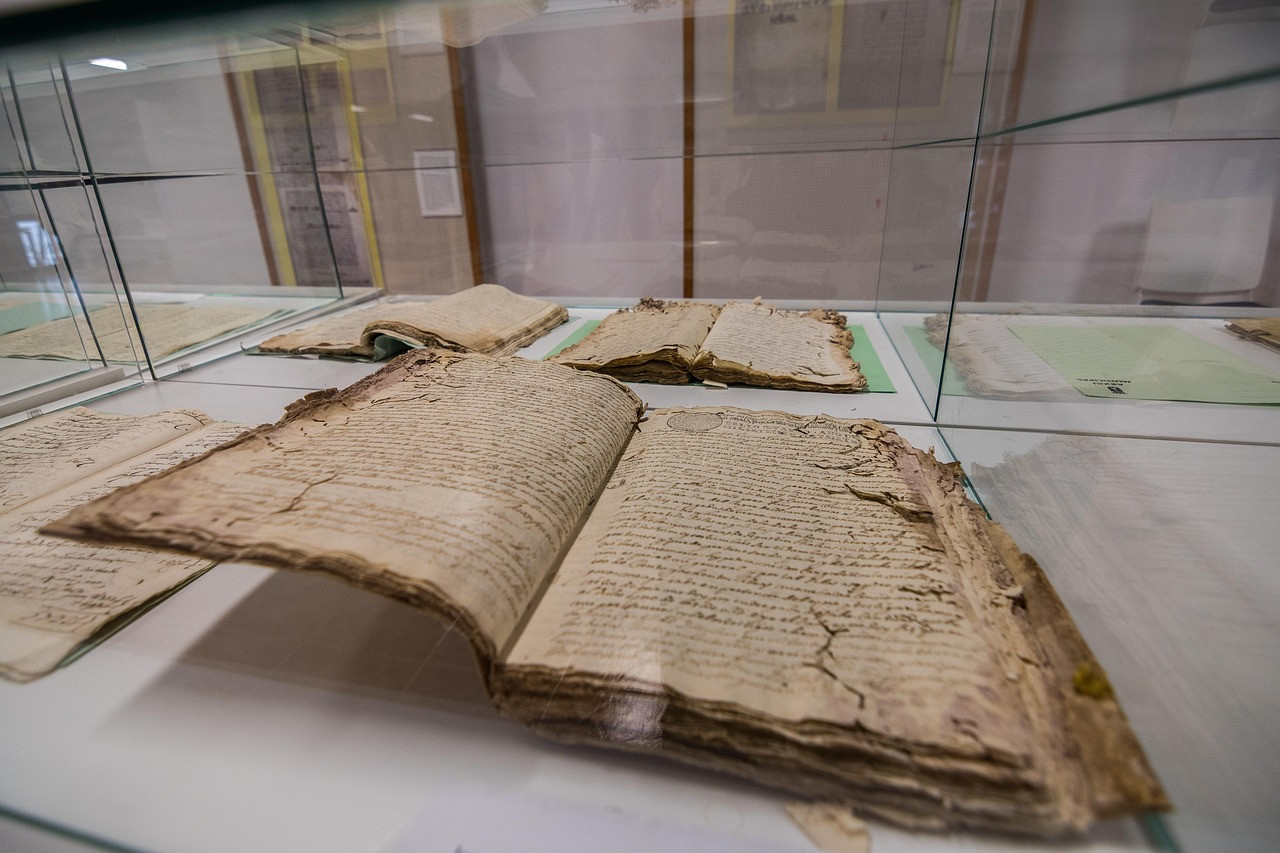
Representative image: JoanjoCastello / Pixabay
India's Culture Ministry and the Bibliothèque nationale de France signed an MoU in Paris on October 26, 2026 to digitise and conserve Indic manuscripts.
What Happened
India's Ministry of Culture and the Bibliothèque nationale de France (BnF), France's national library, signed a memorandum of understanding (MoU) in Paris on Monday, October 26, 2026, to work together on preserving India's manuscript heritage. The agreement was signed under the Gyan Bharatam Mission, the ministry's programme to document and digitise India's manuscripts. It was signed by Vivek Aggarwal, Secretary of the Ministry of Culture, and Gilles Pécout, President of the BnF. A key aim is to identify and digitise manuscripts and collections of Indian origin held in the French library.
Key Facts
- Signed: October 26, 2026, in Paris.
- Signatories: Vivek Aggarwal, Culture Secretary of India, and Gilles Pécout, President of the Bibliothèque nationale de France.
- Indian partners: the Ministry of Culture through Gyan Bharatam, the National Archives of India in New Delhi, and the National Library in Kolkata.
- Five areas of cooperation: digitisation, sharing on India's National Digital Repository, technology exchange, conservation, and research and development.
- The two sides will identify and digitise Indic-origin manuscripts and collections held by the BnF.
- Also planned: exchange of expertise on cataloguing standards, OCR and HTR tools for Indian scripts, digital humanities and manuscript conservation, plus joint workshops, exhibitions and scholar exchanges.
Why It Matters
Part of India's written heritage is not in India. Over past centuries, many manuscripts made their way to Europe, where they now sit in national libraries and universities; the MoU itself is built on the BnF holding Indian-origin collections. For Indian scholars, studying these works has usually meant travelling abroad or relying on old, partial copies.
Digitisation changes that. Once a manuscript is scanned at high quality and catalogued, a student in Varanasi or Thiruvananthapuram can study it on a screen, alongside other copies of the same text held in India. Comparing copies is the basic method of textual scholarship: scribes made errors and changes, and the oldest or most reliable reading can only be found by setting many copies side by side. Bringing foreign-held copies into India's National Digital Repository would give scholars far more material to compare.
The technical side of the agreement matters as much as the scans. OCR (optical character recognition) and HTR (handwritten text recognition) are software tools that turn an image of writing into searchable text. They work well for printed English, but handwritten manuscripts in Indian scripts, often old, faded and in varied styles, are far harder. Sharing tools and methods between the two institutions could speed up work on that problem, which affects millions of manuscripts in India itself.
Gyan Bharatam was announced in the Union Budget for 2025-26 with the goal of documenting and conserving about one crore manuscripts. Agreements with foreign libraries extend the mission's reach beyond India's borders.
| Area | What the MoU covers |
|---|---|
| Digitisation | Identify and digitise Indic-origin material held by the BnF |
| Repository | Share digitised material on India's National Digital Repository |
| Technology | Exchange on OCR and HTR tools for Indian scripts, cataloguing standards |
| Conservation | Share methods for caring for fragile manuscripts |
| Research | Joint workshops, exhibitions and scholar exchanges |
Impact
Short-term: The MoU sets up a framework; it does not by itself put any manuscript online. The two institutions will first need to list the Indic material at the BnF and agree on what to digitise first. Details such as the number of items, timelines and costs have not been made public.
Long-term: If the work proceeds, Indian researchers, students and teachers could gain free or easy access to texts that have been hard to reach for generations, and India's manuscript-reading software could improve through the shared research.
Who is affected: Scholars of Sanskrit, Indian philosophy, history and the sciences; universities and libraries; the National Archives and National Library; and anyone interested in India's textual traditions.
Key Takeaway
India and France's national library have agreed to work together to find, digitise and conserve Indian-origin manuscripts held in Paris, under the Gyan Bharatam Mission.
Questions and Answers
What did India and the Bibliothèque nationale de France agree?
On October 26, 2026, they signed an MoU to cooperate on digitising, conserving and researching manuscripts, including identifying and digitising Indian-origin manuscripts held at the BnF in Paris.
What is the Gyan Bharatam Mission?
It is the Ministry of Culture's programme, announced in the Union Budget for 2025-26, to document, conserve and digitise India's manuscripts, with a target of about one crore manuscripts and a National Digital Repository.
Will the Paris manuscripts be available online now?
Not yet. The MoU creates a framework. No list of manuscripts, timeline or launch date for access has been announced.
What are OCR and HTR, mentioned in the agreement?
OCR (optical character recognition) and HTR (handwritten text recognition) are software tools that convert images of writing into searchable text. The MoU includes sharing such tools for Indian scripts.
Disclaimer: Prepared by the Peepals newsroom from publicly available sources with AI assistance. Information is accurate to the best of our knowledge at the time of publication and may change. Images may be representative. Not professional advice. Report an error via our contact page.
By Devansh Tiwari, Knowledge Systems WriterCovers Knowledge Systems and more for Peepals Sanskriti. All stories by Devansh Tiwari
52nd All India Oriental Conference opens in Haridwar on October 29
India puts GI foods like Mithila makhana centre stage at SIAL Paris
Get the day's stories in your inbox
Peepals Weekly: the week decoded, free. One email a week, unsubscribe in one click.
Devansh Tiwari is a pen name of the Peepals Global Editorial Team, which researches, fact-checks and publishes every story. The portrait is an illustration.