
UNESCO intangible heritage 2026: 64 nominations go to Xiamen meeting
 By Ishita SenCulture & Heritage Editor, Peepals Sanskriti
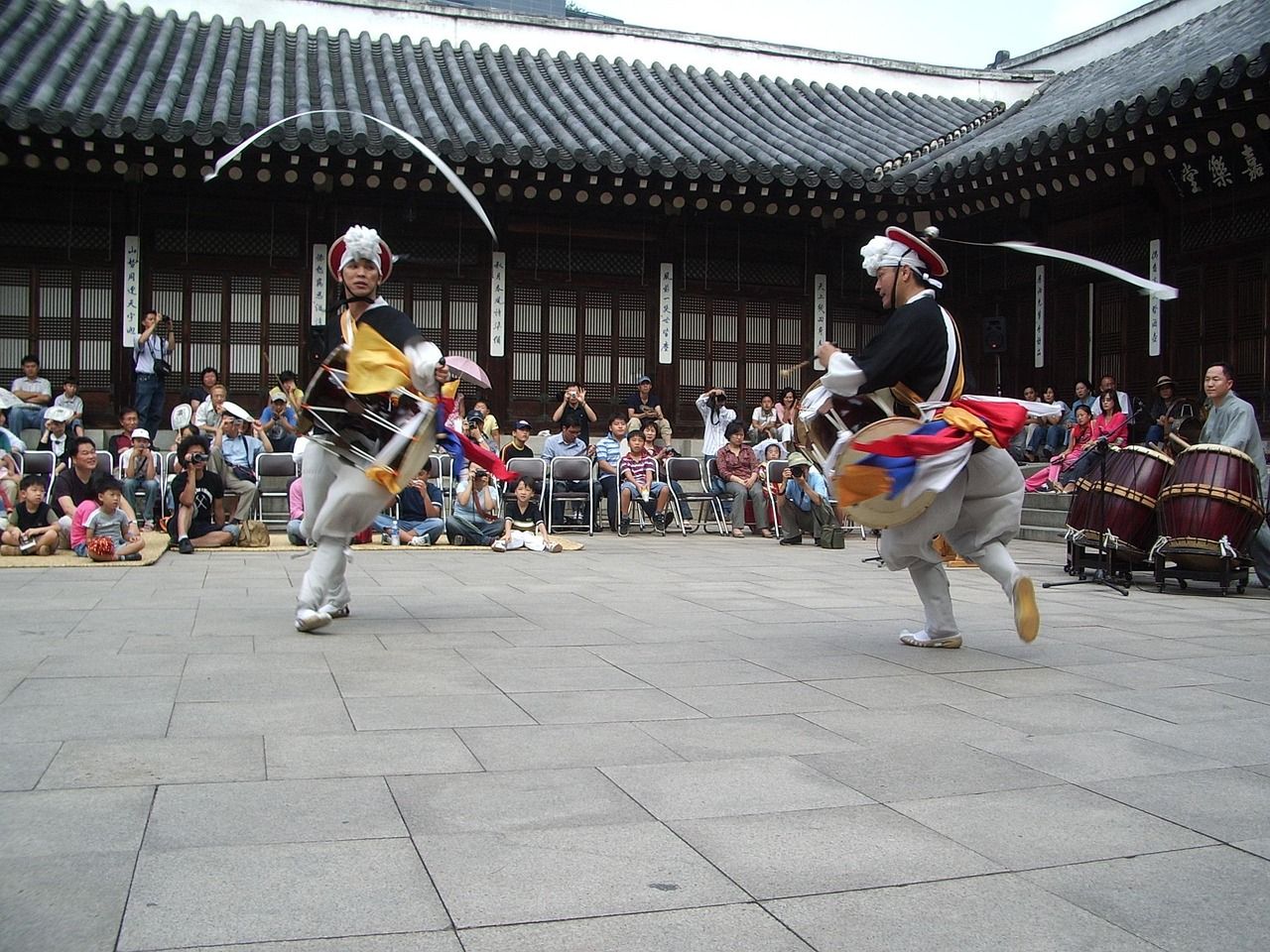
Representative image: Heechul / Pixabay
UNESCO's intangible heritage committee will examine 64 nominations from 82 countries in Xiamen, China, from 30 November to 5 December 2026, theme 'harmonious well-being'.
What Happened
UNESCO's Intergovernmental Committee for the Safeguarding of the Intangible Cultural Heritage will examine 64 nominations submitted by 82 countries when it meets in Xiamen, China, from Monday, 30 November to Saturday, 5 December 2026. UNESCO said the twenty-first session will be held under the overarching theme of "harmonious well-being". According to the UNESCO announcement, the files include 59 nominations for the Representative List of the Intangible Cultural Heritage of Humanity, five of them requests to extend existing entries, and four nominations for the List of Intangible Cultural Heritage in Need of Urgent Safeguarding. Reports on the session say four African countries, Eswatini, Lesotho, South Sudan and Tanzania, could see their first inscriptions.
UNESCO intangible cultural heritage 2026: key facts
- Meeting: twenty-first session of UNESCO's Intergovernmental Committee for the Safeguarding of the Intangible Cultural Heritage.
- Dates: Monday, 30 November to Saturday, 5 December 2026.
- Venue: Xiamen, China.
- Theme: "harmonious well-being", according to UNESCO.
- Files: 64 nominations from 82 countries.
- Representative List: 59 nominations, including five extension requests.
- Urgent Safeguarding List: four nominations.
- Possible first inscriptions: Eswatini, Lesotho, South Sudan and Tanzania, according to reports on the session.
UNESCO intangible cultural heritage 2026: why it matters
Intangible cultural heritage is the living side of culture: festivals, music, dance, crafts, rituals, food traditions and knowledge that communities pass from one generation to the next. Unlike World Heritage Sites, which are places, these are practices. Every year UNESCO's committee decides which practices to add to its lists, and an inscription brings international attention, pride for the community that keeps the tradition, and often support for teaching and recording it.
The two main lists serve different purposes. The Representative List showcases the variety of the world's living heritage. The Urgent Safeguarding List is for practices that are at risk of disappearing, for example because few people still know them or younger generations are not taking them up. Four files on that second list this year point to traditions whose keepers say they need help now.
This session is notable for who might be included for the first time. Eswatini, Lesotho, South Sudan and Tanzania could each see a first element inscribed. Other countries are bringing several files: Iran, for example, has said it will present three nominations, reported to include the Tirgan festival, traditional lullabies and felt-making.
For readers interested in India's living traditions, the session is the main annual moment when such practices are judged on the world stage. Decisions on each file are announced during the session itself, so the full list of new inscriptions will be known only in the first week of December.
Peepals calculation: The 64 files come from 82 countries, so there are 18 more countries than files (82 − 64 = 18), which means some nominations are joint files shared by two or more countries. The Representative List and Urgent Safeguarding List together account for 63 of the 64 files (59 + 4 = 63). Our calculation from the reported figures.
| List | Nominations |
|---|---|
| Representative List (including 5 extensions) | 59 |
| Urgent Safeguarding List | 4 |
| Total files examined | 64 |
| Countries submitting | 82 |
Impact
Short-term: Communities and governments behind the 64 files will wait for the committee's decisions, which are taken one by one during the six-day session in Xiamen.
Long-term: New inscriptions usually bring safeguarding plans, funding requests and tourism interest. For first-time countries, an inscription can also shape how they present their culture abroad.
Who is affected: Tradition-bearers and communities whose practices are nominated, the 82 submitting countries, cultural ministries, and travellers and researchers who follow living heritage.
What to watch next: The committee's decisions during the session in Xiamen from 30 November to 5 December 2026.
Key Takeaway
UNESCO's intangible heritage committee will decide on 64 nominations from 82 countries in Xiamen from 30 November to 5 December 2026, with four African nations in line for their first inscriptions.
Questions and Answers
When and where is the UNESCO intangible cultural heritage meeting in 2026?
The twenty-first session of the Intergovernmental Committee for the Safeguarding of the Intangible Cultural Heritage is in Xiamen, China, from Monday, 30 November to Saturday, 5 December 2026.
How many nominations will UNESCO examine in 2026?
The committee will examine 64 nominations from 82 countries, including 59 for the Representative List, five of which are extensions, and four for the Urgent Safeguarding List.
Which countries could get their first UNESCO intangible heritage listing?
Eswatini, Lesotho, South Sudan and Tanzania are in line for their first inscriptions, according to reports on the session.
What is the difference between the Representative List and the Urgent Safeguarding List?
The Representative List showcases the diversity of living heritage around the world. The Urgent Safeguarding List is for practices at risk of disappearing that need urgent help to survive.
Disclaimer: Prepared by the Peepals newsroom from publicly available sources with AI assistance. Information is accurate to the best of our knowledge at the time of publication and may change. Images may be representative. Not professional advice. Report an error via our contact page.
By Ishita Sen, Culture & Heritage EditorCovers Culture & Heritage and more for Peepals Sanskriti. All stories by Ishita Sen
Your week ahead, every Sunday. Free.
Exam and result dates, IPOs opening, scheme deadlines, government holidays and the RBI decision for the next 7 days, plus the week's top stories. One email a week, unsubscribe in one click.
Ishita Sen is a pen name of the Peepals Global Editorial Team, which researches, fact-checks and publishes every story. The portrait is an illustration.
Responsible for this story: the Peepals Global Editorial Team, led by editor Prashant Sonar. How we report