
70% of urban Indians eat too little protein, survey finds; fibre gap even wider
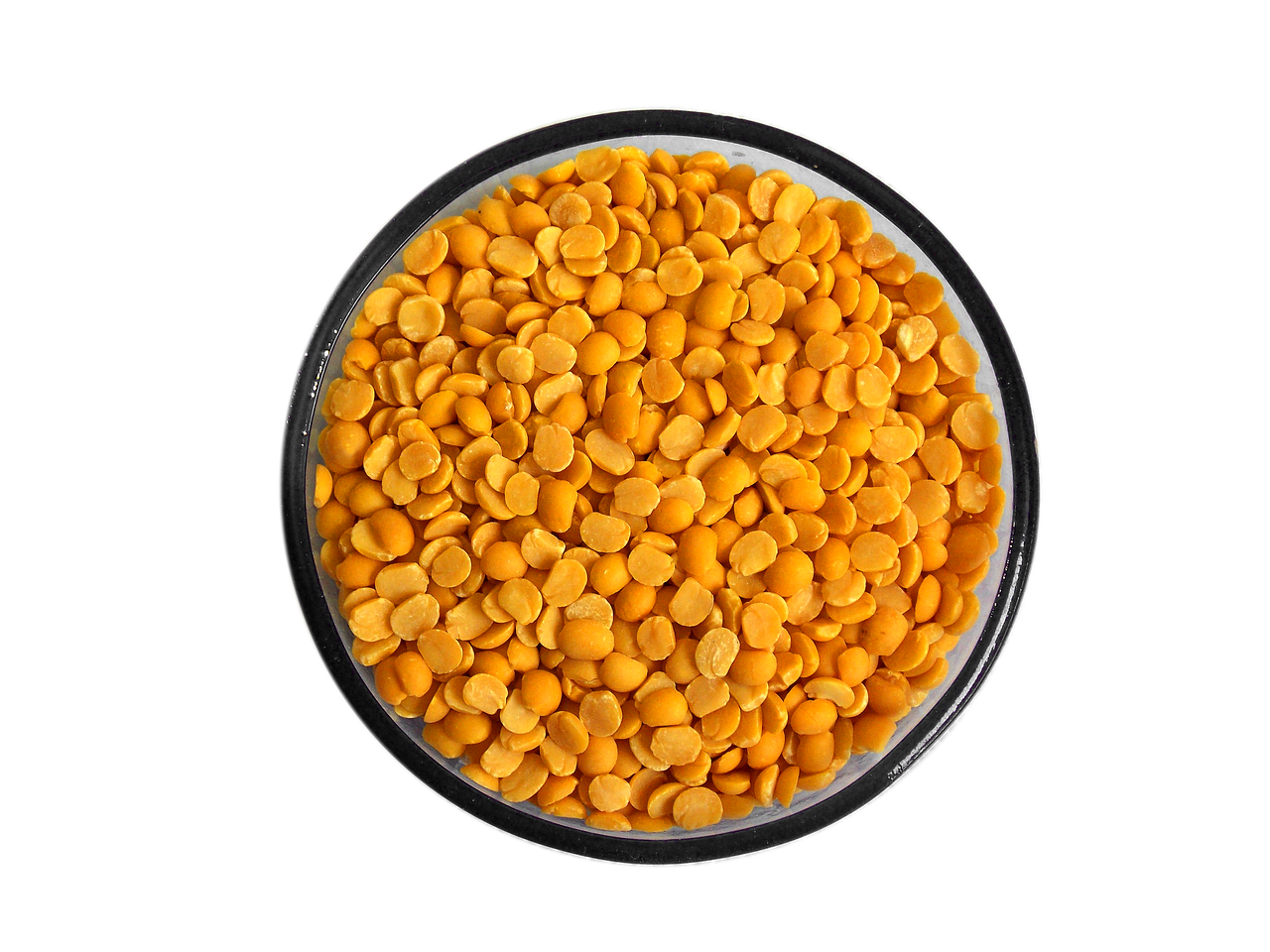
Representative image: 632240 / Pixabay
A survey released October 6, 2026 found 70% of urban Indians eat under 41 g of protein a day and 89% misjudge fibre needs; traditional foods can help close the gap.
What Happened
Seven in ten urban Indians eat less than 41 grams of protein a day, and almost nine in ten do not know how much fibre they need, according to a survey released on October 6, 2026. The study, "The State of Protein & Fibre in Urban India", was carried out by PepsiCo India with the market research firm Euromonitor International and the Indian Institute of Millet Research (IIMR). It questioned 1,250 people aged 18 to 50 in Delhi, Mumbai, Bengaluru, Kolkata and Kochi. Because it was commissioned by a food company that sells packaged products, its findings are best read alongside official dietary advice.
Key Facts
- Survey size: 1,250 adults aged 18 to 50 in five cities: Delhi, Mumbai, Bengaluru, Kolkata and Kochi.
- Released: October 6, 2026, by PepsiCo India with Euromonitor International and the Indian Institute of Millet Research.
- Protein: about 74 percent said they knew their daily protein requirement, but 56 percent of them were wrong.
- 70 percent of respondents consumed less than 41 grams of protein a day.
- Fibre: 59 percent said they knew their fibre requirement, but 89 percent were misinformed; only 11 percent identified the recommended intake correctly.
- 61 percent ate less fibre than recommended, with the shortfall greatest among Generation X respondents.
- About nine in ten said they wished adding protein to meals felt easier, and 89 percent wanted it in familiar, everyday foods.
Why It Matters
Protein and fibre are two parts of the Indian plate that often fall short. A typical urban meal can lean heavily on refined cereals, with smaller portions of dal, pulses, curd, vegetables and whole grains. The survey's message is that people now talk about protein more, especially with the rise of gym culture and supplements, but many still misjudge how much they need and how much they actually eat.
The heritage angle is useful here. Many traditional Indian foods are naturally rich in protein or fibre: dals and other pulses, chana and rajma, curd and paneer, sprouts, and whole grains and millets such as ragi, jowar and bajra. The involvement of the millet research institute in the study reflects growing interest in bringing these grains back into everyday meals. The national Dietary Guidelines for Indians, issued by ICMR's National Institute of Nutrition in 2024, advise that cereals and millets provide no more than 45 percent of daily calories, with pulses, beans and meat providing up to 15 percent. They also advise limiting added salt to 5 grams a day.
Readers should keep the source in mind. A survey commissioned by a company that sells packaged foods may frame its results in a way that suits new products. The safest way to close a protein or fibre gap is through whole, familiar foods rather than expensive powders or bars, and anyone with a medical condition should take advice from a doctor or dietitian before making big changes.
| Finding | Share of respondents |
|---|---|
| Said they knew protein needs | about 74% |
| Of those, misinformed | 56% |
| Eat under 41 g protein a day | 70% |
| Misinformed about fibre needs | 89% |
| Eat less fibre than recommended | 61% |
Impact
Short-term: Expect more food brands to market "high-protein" and "high-fibre" versions of everyday products. Consumers can check labels, but simple swaps such as adding a bowl of dal, a serving of curd or a millet roti can raise intake without extra cost.
Long-term: If awareness turns into better daily habits, it could help urban Indians manage weight, blood sugar and digestion. Wider use of millets and pulses would also support farmers who grow them.
Who is affected: Urban adults, especially office workers with busy routines, families planning daily meals, and food companies and farmers in the pulses and millets value chain.
Key Takeaway
A PepsiCo-commissioned survey released on October 6, 2026 found that 70 percent of urban Indians eat under 41 grams of protein a day and 89 percent misjudge their fibre needs, a gap that traditional foods such as dal, curd and millets can help close.
Questions and Answers
What did the survey find about protein?
About 74 percent of the 1,250 urban adults surveyed said they knew their daily protein need, but 56 percent of them were wrong, and 70 percent ate less than 41 grams of protein a day.
Who carried out the study?
PepsiCo India, with Euromonitor International and the Indian Institute of Millet Research. It was released on October 6, 2026.
Which traditional foods are good sources of protein and fibre?
Dals and other pulses, chana, rajma, sprouts, curd and paneer for protein, and whole grains, millets such as ragi, jowar and bajra, vegetables and fruit for fibre.
What do official guidelines say about cereals and pulses?
ICMR-NIN's 2024 Dietary Guidelines for Indians advise that cereals and millets provide no more than 45 percent of daily calories, and pulses, beans and meat up to 15 percent.
Disclaimer: Prepared by the Peepals newsroom from publicly available sources with AI assistance. Information is accurate to the best of our knowledge at the time of publication and may change. Images may be representative. Not professional advice. Report an error via our contact page.
Sourced and fact-checked by the Peepals Global Editorial Team
Reported, fact-checked and published by the Peepals Global Editorial Team.