
Less ultra-processed food tied to fewer depression symptoms after 70, study finds
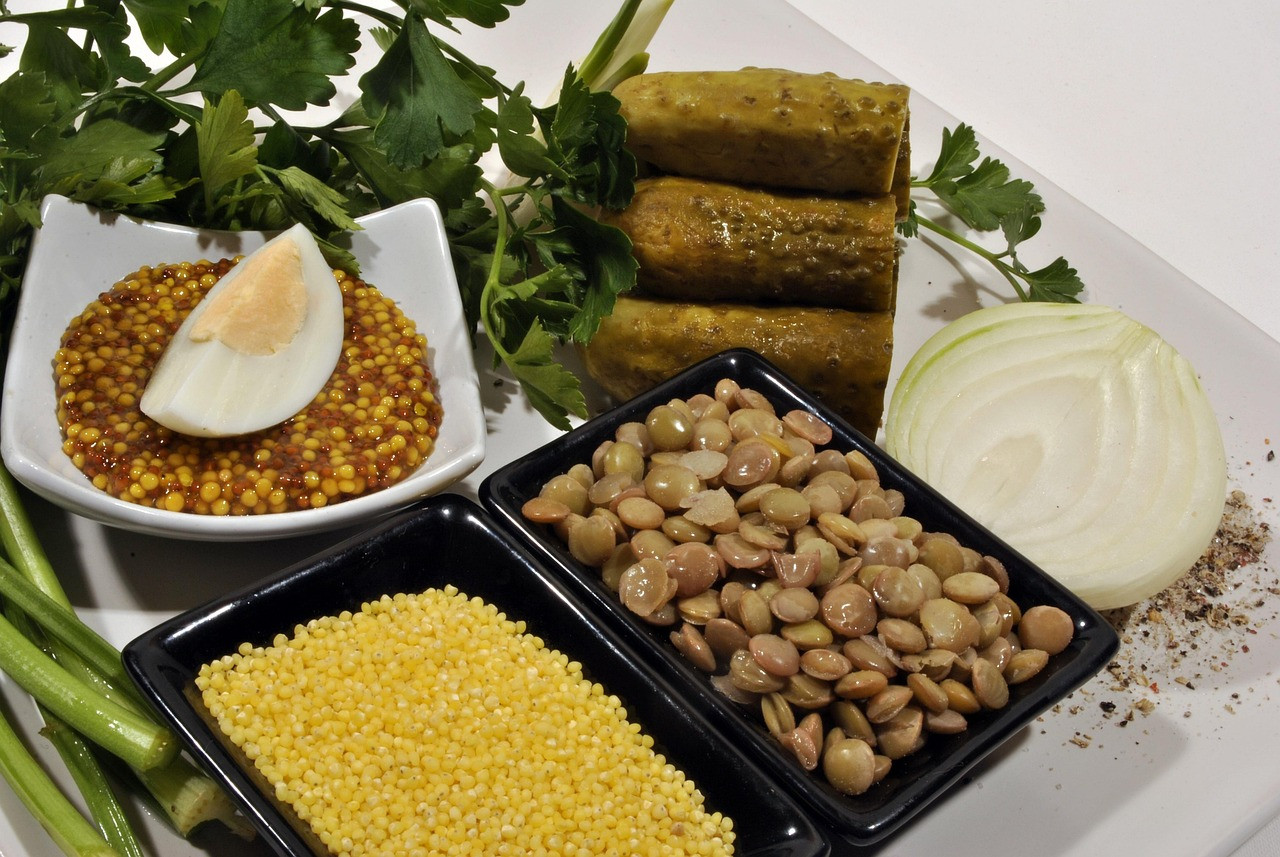
Representative image: turkus / Pixabay
A Deakin University study of 7,200-plus adults aged 70 and over, reported October 21, 2026, links less ultra-processed food to fewer depressive symptoms, regardless of genes.
What Happened
Older adults who ate fewer ultra-processed foods and more anti-inflammatory foods had lower rates of depressive symptoms, and the link held whatever their genetic risk of depression, according to a study by researchers at Deakin University in Australia published in the journal Molecular Psychiatry and reported on October 21, 2026. The team analysed more than 7,200 adults aged 70 and older. Those who ate four or more servings of ultra-processed food a day had a 12% higher rate of depressive symptoms than those who ate fewer, while those whose diets were more anti-inflammatory had a 7% lower rate than those with more pro-inflammatory diets.
Key Facts
- The study followed more than 7,200 adults aged 70 or older.
- Four or more daily servings of ultra-processed food were linked to a 12% higher rate of depressive symptoms, compared with fewer than four servings.
- A more anti-inflammatory diet was linked to a 7% lower rate of depressive symptoms than a more pro-inflammatory one.
- The associations were not changed by participants' genetic predisposition to depression or by existing low-grade inflammation, according to the paper's abstract.
- The research used a method called target trial emulation, which analyses observational data in a way designed to mimic a clinical trial.
- Because the data are observational, the study shows an association, not proof that diet causes or prevents depression.
- An earlier study by the same research group, published in 2025, also linked higher ultra-processed food intake with more depressive symptoms in older adults.
Why It Matters
Depression in later life is common and often missed. It can be mistaken for the ordinary slowing-down of age, and older people are less likely to seek help. Anything that might lower the risk through everyday choices, such as what people eat, is therefore of wide interest to families and health workers.
The finding about genes is the most useful part for readers. Many people assume that if depression runs in their family, there is little they can do about it. In this study, the link between a healthier diet and fewer depressive symptoms appeared just as strongly in people with a higher genetic risk as in those with a lower one. If that holds up in further research, it suggests that diet is something worth paying attention to whatever a person's family history.
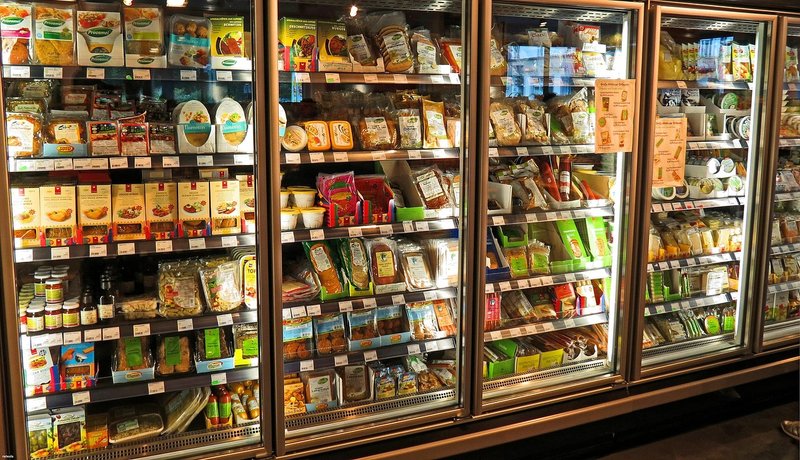
It helps to be clear about the terms. Ultra-processed foods are industrially made products that typically contain ingredients not used in home cooking, such as flavour enhancers, emulsifiers and certain additives; packaged snacks, sugary drinks, instant noodles and many ready meals fall into this group. An anti-inflammatory diet leans towards vegetables, fruit, whole grains, pulses, nuts and healthy oils, and away from refined and heavily processed foods. Researchers think that long-term, low-level inflammation in the body may play a part in depression, which is one reason the study looked at both diet and inflammation.
Traditional Indian home cooking, built around dals, vegetables, whole grains and spices, has much in common with what researchers describe as anti-inflammatory eating, while packaged snacks and ready-to-eat foods are a growing part of diets in Indian cities. The study did not look at Indian diets, and it does not show that any particular food treats depression. But it adds to a large body of research suggesting that eating patterns based on minimally processed foods are associated with better health in older age.
| Measure | Finding |
|---|---|
| Participants | More than 7,200 adults aged 70+ |
| Ultra-processed food, 4+ servings a day | 12% higher rate of depressive symptoms |
| More anti-inflammatory diet | 7% lower rate of depressive symptoms |
| Effect of genetic risk | Did not change the associations |
Impact
Short-term: The findings give doctors and families another reason to discuss diet with older relatives, while making clear that food is not a substitute for medical care for anyone experiencing depression.
Long-term: If confirmed by trials, the results could support public health advice that includes mental health among the benefits of limiting ultra-processed foods in later life.
Who is affected: Older adults and their families; doctors, dietitians and mental health workers who care for older people; and policymakers working on healthy ageing.
Key Takeaway
A Deakin University study of more than 7,200 people aged 70 and over links less ultra-processed food and a more anti-inflammatory diet with fewer depressive symptoms, regardless of genetic risk, though it shows association rather than cause.
Questions and Answers
What did the Deakin study on diet and depression find?
Among more than 7,200 adults aged 70 and older, eating four or more servings of ultra-processed food a day was linked to a 12% higher rate of depressive symptoms, and a more anti-inflammatory diet to a 7% lower rate. The links held regardless of genetic risk.
Does this mean diet can cure depression?
No. The study is observational and shows an association, not cause and effect. Anyone with symptoms of depression should seek help from a doctor or mental health professional; in India, the Tele-MANAS helpline is on 14416.
What are ultra-processed foods?
They are industrially made foods that usually contain ingredients not used in home cooking, such as flavour enhancers and emulsifiers. Examples include packaged snacks, sugary drinks, instant noodles and many ready meals.
Does family history of depression change the result?
According to the study, genetic predisposition to depression did not change the link between diet and depressive symptoms, which suggests diet may matter whatever a person's family history.
Disclaimer: Prepared by the Peepals newsroom from publicly available sources with AI assistance. Information is accurate to the best of our knowledge at the time of publication and may change. Images may be representative. Not professional advice. Report an error via our contact page.
Sourced and fact-checked by the Peepals Global Editorial Team
Ghana recalls Franko Herbal Mixture after tests find hidden diazepam
Vijayawada's Kanaka Durga Teppotsavam returns on Krishna after two flood years
Reported, fact-checked and published by the Peepals Global Editorial Team.