India-led traditional medicine group at WHO grows to 36, weighs global trust mark
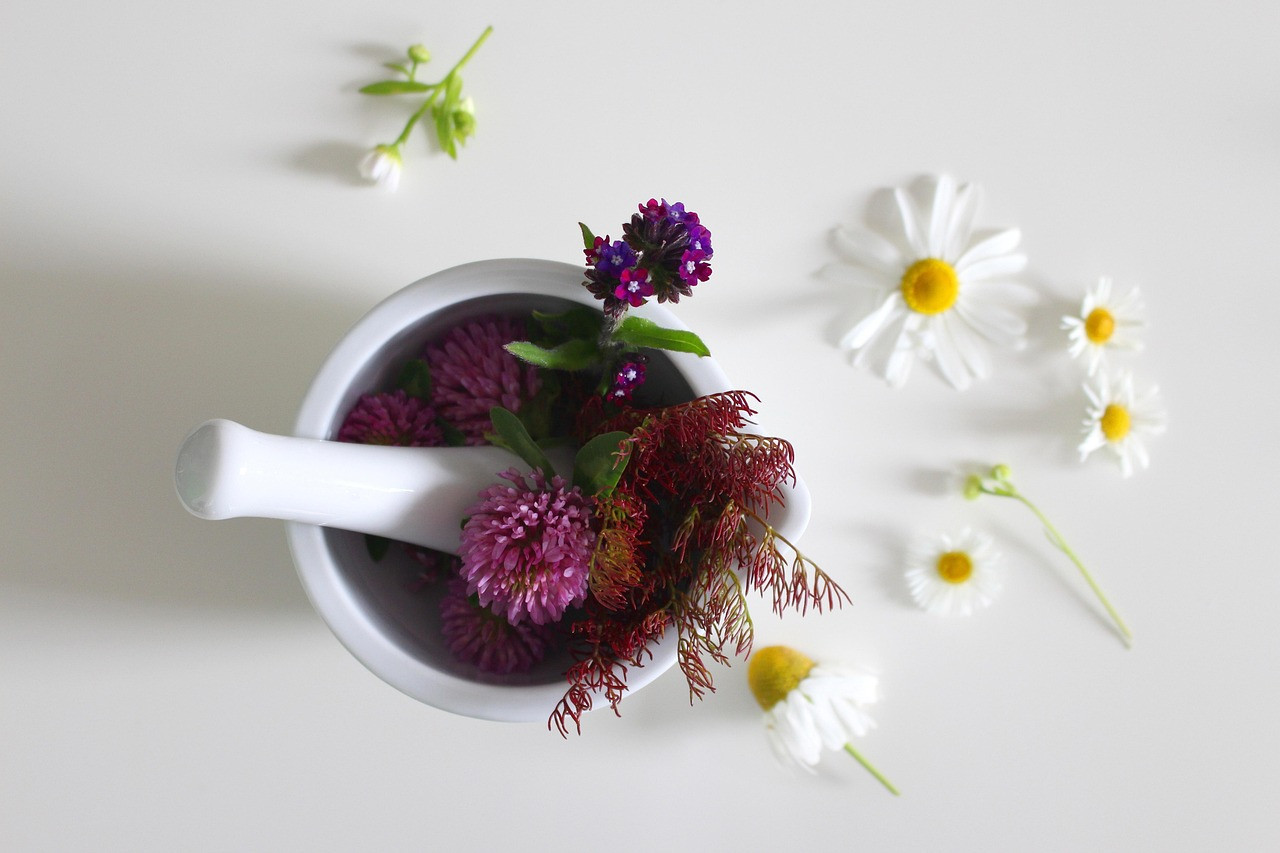
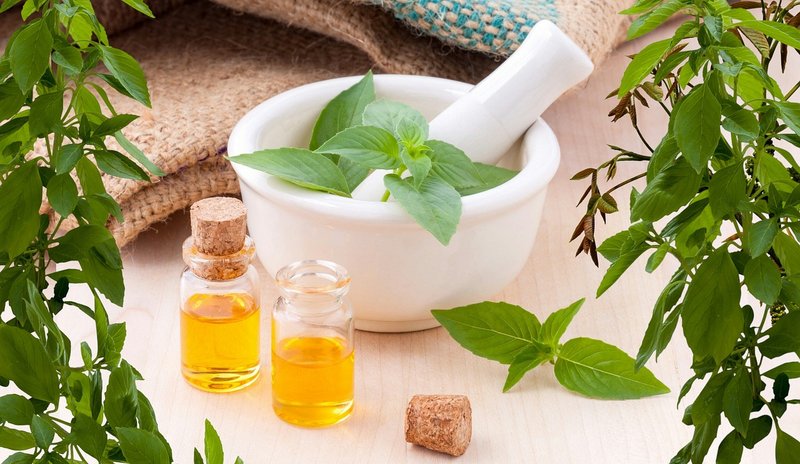
Representative image: Monfocus / Pixabay
WHO said on October 16, 2026 that the India-chaired Group of Friends of Traditional Medicine has 36 members and is discussing a global trust mark for products.
What Happened
The World Health Organization has reported that the Group of Friends of Traditional Medicine, an informal group of member states chaired by India, has grown to 36 countries and is discussing a possible global "trust mark" for traditional medicine and well-being products. In an update published on Friday, October 16, 2026, WHO said the group's eighth meeting, held in Geneva on September 23, welcomed Egypt, Kazakhstan, Nepal and Suriname as new members. The meeting, chaired by India's Ambassador Arindam Bagchi, focused on putting WHO's Global Traditional Medicine Strategy 2025-2034 into practice, and included a session on Ayurveda with officials from India, Mauritius, Nepal and Suriname.
Key Facts
- WHO published its account of the meeting on October 16, 2026; the meeting itself took place in Geneva on September 23, which is also Ayurveda Day.
- Egypt, Kazakhstan, Nepal and Suriname joined, alongside 32 existing member states, taking the group to 36.
- India created the group in May 2023 as an informal platform for discussion among member states, and its ambassador chaired the meeting.
- Discussions centred on implementing the Global Traditional Medicine Strategy 2025-2034, adopted by the World Health Assembly in 2025.
- A multistakeholder cooperation platform has been proposed, which could include a global trust mark for responsible sourcing, safety and sustainability.
- The trust mark is a proposal under discussion, not an adopted WHO programme.
Why It Matters
Traditional medicine is used by very large numbers of people around the world, but the products sold under its name vary enormously in quality. Herbal remedies can be contaminated, mislabelled or harvested in ways that damage plant populations. A trust mark, if it is ever created, would aim to give buyers a simple sign that a product meets agreed standards on where its ingredients come from, whether it is safe and whether it was produced sustainably. That is the kind of assurance Ayurveda and other systems need if they are to win acceptance in markets with strict health regulators.
For India, the group is an important diplomatic tool. India set it up in 2023 and chairs it, and has used it to push traditional medicine, including Ayurveda, Yoga, Siddha and Unani, onto the agenda at WHO in Geneva. Egypt and Kazakhstan widen the group's reach into north Africa and central Asia. The Ayurveda session, with Mauritius, Nepal and Suriname alongside India, shows the countries where the system already has a footing beyond India.
The WHO strategy the group is working on sets the framework for traditional medicine for the decade to 2034. The trust mark idea sits within that work as one possible way to turn principles into something consumers can see on a label.
| Point | Detail |
|---|---|
| Group | Group of Friends of Traditional Medicine |
| Founded | May 2023, by India |
| Members | 36 after four new joiners |
| New members | Egypt, Kazakhstan, Nepal, Suriname |
| Proposal | Global trust mark for sourcing, safety, sustainability |
There are good reasons for caution. A trust mark would need agreed standards, testing and a body to award and police it, none of which yet exists. Critics of traditional medicine also point out that evidence for many remedies remains limited; a mark on sourcing and safety would not by itself show that a product works. For now, the proposal is a signal of direction rather than a decision.
Impact
Short-term: The group will continue discussions on a cooperation platform and the possible trust mark. India's role as chair keeps traditional medicine on the agenda in Geneva.
Long-term: If a trust mark is created, Ayurvedic and other traditional products that qualify could find it easier to reach regulated markets abroad, and consumers could have a clearer guide to safety and sourcing. Exporters, growers of medicinal plants and manufacturers in India would be among those most affected.
Who is affected: Ayurveda and Ayush manufacturers and exporters; growers and collectors of medicinal plants; consumers of herbal and traditional products worldwide; health regulators; and the governments of member states, including India, Nepal, Mauritius and Suriname.
Key Takeaway
The India-chaired Group of Friends of Traditional Medicine has grown to 36 countries and is weighing a global trust mark for traditional medicine products, WHO said on October 16, 2026.
Questions and Answers
What is the Group of Friends of Traditional Medicine?
It is an informal group of WHO member states, created by India in May 2023 and chaired by India, that discusses how to advance traditional medicine at WHO. It has 36 members after Egypt, Kazakhstan, Nepal and Suriname joined in September 2026.
What is the proposed global trust mark?
It is an idea, under discussion as part of a proposed cooperation platform, for a mark that would show a traditional medicine or well-being product meets standards on responsible sourcing, safety and sustainability. It has not been adopted.
Did the meeting discuss Ayurveda?
Yes. The September 23, 2026 meeting in Geneva included a session on Ayurveda with officials from India, Mauritius, Nepal and Suriname, according to WHO.
What is the WHO Global Traditional Medicine Strategy?
It is WHO's plan for traditional medicine covering 2025 to 2034, adopted by the World Health Assembly in 2025. The Group of Friends is discussing how to put it into practice.
Disclaimer: Prepared by the Peepals newsroom from publicly available sources with AI assistance. Information is accurate to the best of our knowledge at the time of publication and may change. Images may be representative. Not professional advice. Report an error via our contact page.
Sourced and fact-checked by the Peepals Global Editorial Team
FSSAI tells sellers to keep khoa, paneer cold from source to sale as festivals begin
ITRA Jamnagar's Ayu-Tech Navonmesh 2026 puts AI on the Ayurveda agenda
Reported, fact-checked and published by the Peepals Global Editorial Team.