
FSSAI tells sellers to keep khoa, paneer cold from source to sale as festivals begin
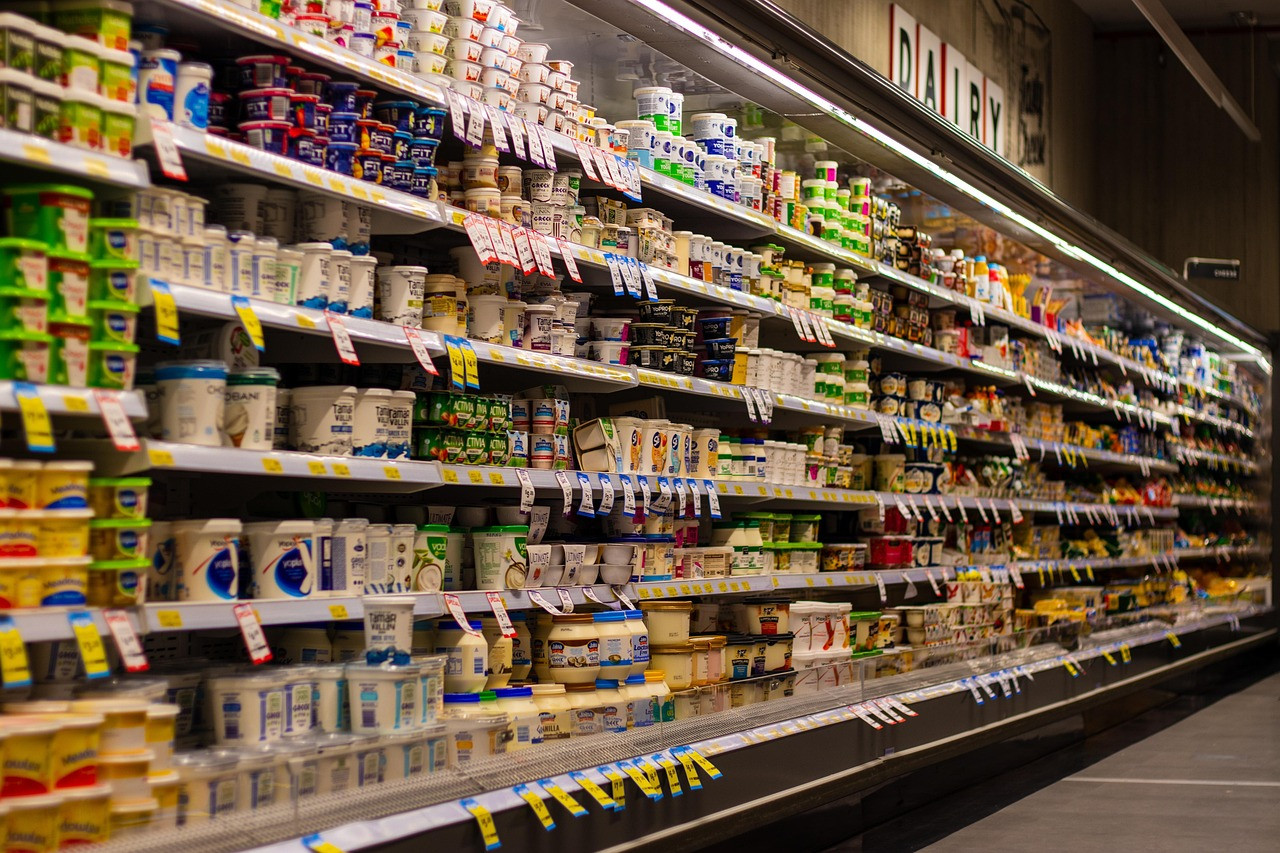
Representative image: Squirrel_photos / Pixabay
FSSAI said on October 18, 2026 that khoa, paneer, meat and fish must stay at prescribed temperatures through the supply chain, with checks in the festive season.
What Happened
India's food regulator, the Food Safety and Standards Authority of India (FSSAI), has told food businesses that khoa, paneer, meat and fish must be kept at their prescribed temperatures at every step from sourcing to the customer's hands, and that failing to do so is a breach of hygiene rules. The advisory, made public on Sunday, October 18, 2026, applies to manufacturers, storage operators, transporters, distributors and sellers. It comes as Navratri ends and Dussehra falls on Tuesday, October 20, the start of the busiest weeks of the year for sweet shops, caterers and households buying milk products in bulk.
Key Facts
- The advisory covers the handling, storage and transport of perishable foods such as khoa, paneer, meat and fish under controlled temperatures throughout the supply chain.
- FSSAI pointed to the Food Safety and Standards (Licensing and Registration of Food Businesses) Regulations, 2011, which already require prescribed temperatures during chilling, transport, storage and distribution.
- Letting the temperature slip is to be treated as non-compliance with the hygiene and sanitary requirements in Schedule 4 of those regulations.
- Vehicles must be clean, covered and suitable for carrying food, and packaging must be food-grade.
- Businesses must keep records and traceability of consignments and be able to produce invoices or other documents.
- State food safety commissioners, Indian Railways and FSSAI's regional directors have been asked to keep strict watch during inspections and transport checks; products that fail can be seized and destroyed.
Why It Matters
Khoa and paneer sit at the heart of Indian festive cooking. Khoa, made by slowly reducing milk, is the base of barfi, peda, gulab jamun and many other sweets that families buy and gift in large quantities through Dussehra and Diwali. Paneer is a daily protein for millions of vegetarian households and a fixture of wedding and festival menus. Both are moist, milk-rich foods, the kind in which bacteria grow quickly when they are left warm. A tray of khoa that travels for hours in an open, unrefrigerated van in October heat can spoil long before it looks or smells wrong.
The advisory does not create new law. The temperature rules already sat in the 2011 licensing regulations. What changes is the emphasis: the regulator is spelling out that a broken cold chain counts as a hygiene violation, and it is telling inspectors, including those at railways, to check how food is moved and stored, not only how it is made. That matters because much of the khoa sold in big cities is made in smaller towns and carried long distances to reach the market.
For readers who care about traditional food, the message cuts both ways. Heritage recipes depend on fresh dairy, and the safest version of a festive sweet is one made with milk products that have been kept cold and handled cleanly. The rush of the season is when shortcuts are most tempting for suppliers and when buyers are least likely to ask questions.
| What to look for | Why it helps |
|---|---|
| Licensed shop with a visible FSSAI number | Licensed sellers are bound by the temperature and hygiene rules |
| Khoa and paneer kept in a chiller | Shows the cold chain has not ended at the counter |
| Fresh smell and firm texture | Sour smell or slimy surface are signs of spoilage |
| Bill for the purchase | Supports traceability if something goes wrong |
Impact
Short-term: Sweet makers, dairy suppliers, meat and fish sellers and transport operators face closer checks during the festive weeks, with the risk of seizure and destruction of stock that has not been kept at the right temperature. Inspections at railway parcel points and on highways may increase.
Long-term: If enforced steadily, the push could raise investment in refrigerated vans, cold storage and better packaging among small dairy and sweet businesses, and give buyers more confidence in festive dairy products. Better records should also make it easier to trace the source of any contaminated batch.
Who is affected: Sweet shops, caterers, dairy units, khoa makers in smaller towns, meat and fish traders, transporters and railway parcel services, food safety officers, and the households that buy khoa, paneer, meat and fish during the festive season.
Key Takeaway
FSSAI has made clear that keeping khoa, paneer, meat and fish cold from source to sale is a legal hygiene duty, and inspectors will check transport and storage through the festive season.
Questions and Answers
What did the FSSAI advisory on khoa and paneer say?
Made public on October 18, 2026, it told food businesses to keep khoa, paneer, meat and fish at prescribed temperatures throughout the supply chain, use clean covered vehicles and food-grade packaging, and keep consignment records. A lapse in temperature is to be treated as a hygiene violation.
Is this a new law?
No. The temperature rules are already in the Food Safety and Standards (Licensing and Registration of Food Businesses) Regulations, 2011. The advisory reminds businesses of them and asks inspectors to enforce them strictly.
Who will check whether the rules are followed?
State food safety commissioners and their officers, Indian Railways and FSSAI's regional directors have been asked to keep strict watch during inspections and transport checks. Products that fail can be seized and destroyed.
How can I buy safer khoa and paneer for festivals?
Buy from licensed shops, check that the products are kept in a chiller, avoid any with a sour smell or slimy surface, and keep the bill. Store them in the fridge at home and use them quickly.
Disclaimer: Prepared by the Peepals newsroom from publicly available sources with AI assistance. Information is accurate to the best of our knowledge at the time of publication and may change. Images may be representative. Not professional advice. Report an error via our contact page.
Sourced and fact-checked by the Peepals Global Editorial Team
Jammu's Raghunath Temple trains young women as priests; 150 now on waiting list
India-led traditional medicine group at WHO grows to 36, weighs global trust mark
Reported, fact-checked and published by the Peepals Global Editorial Team.