Vietnam approves traditional medicine plan: hospital in every province by 2030
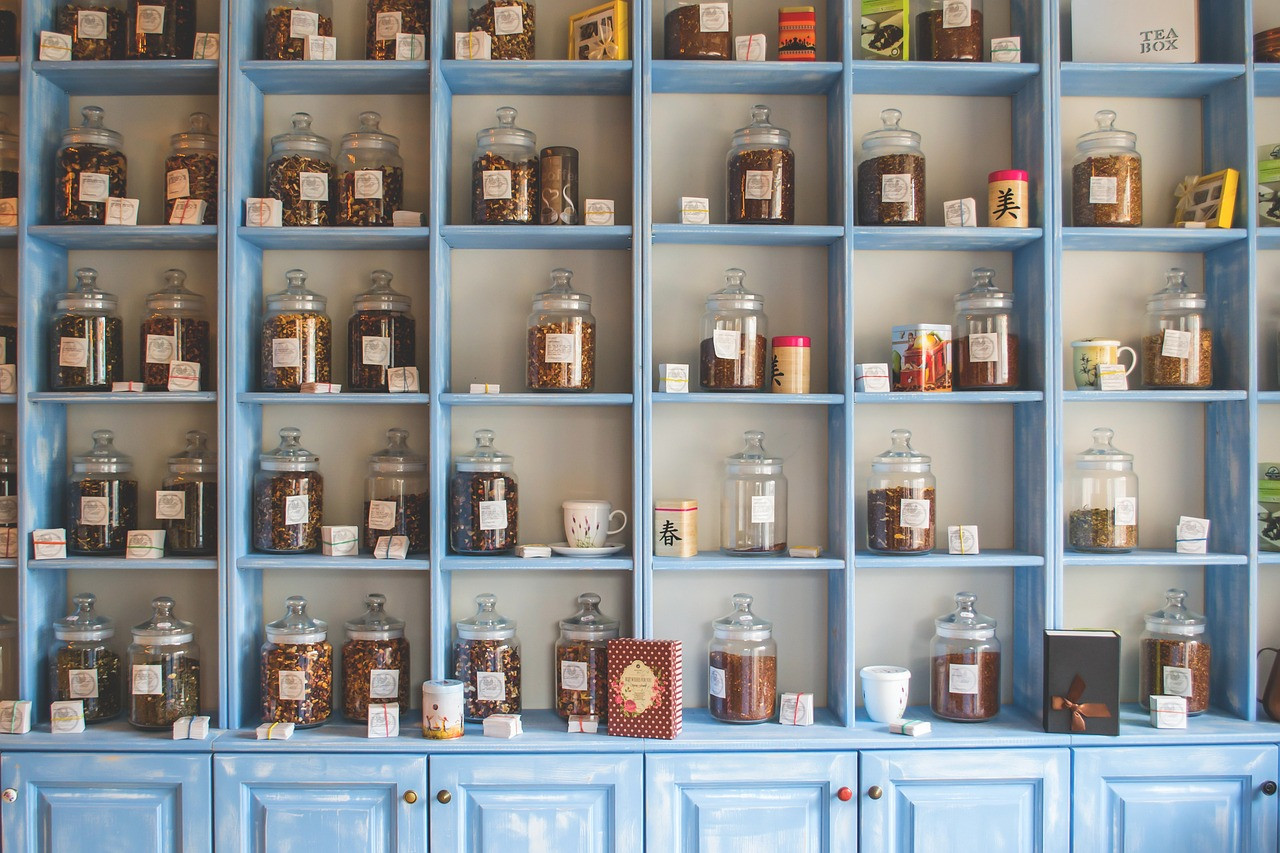
Representative image: Pexels / Pixabay
Vietnam on 13 October 2026 approved a traditional medicine strategy to 2030, with hospitals in every province, insurance cover and home-grown herbs.
What Happened
Vietnam approved a national strategy for traditional medicine on Tuesday, 13 October 2026, setting targets to 2030 with a longer vision to 2045. Deputy Prime Minister Pham Thi Thanh Tra signed Decision 1976/QD-TTg, according to Vietnam's state media. The plan aims to turn traditional medicine into a modern, science-based and internationally connected part of the country's health system by 2030, with goals for hospitals, village-level clinics, staff, research, health insurance and the domestic medicinal-herb industry.
Key Facts
- The strategy was approved on 13 October 2026 under Decision 1976/QD-TTg, signed by Deputy Prime Minister Pham Thi Thanh Tra.
- By 2030, every province and city is to have a traditional medicine hospital, and at least 70% of these are to have 300 or more beds; the 2035 goal for large hospitals rises to 90%.
- Every commune-level health station is to be able to offer traditional medicine services, and by 2030 at least 90% should have a staff member trained in it, with 20% having a traditional medicine doctor.
- Domestic production is to meet at least 20% of the country's demand for medicinal materials, with the industry's output value and exports each growing by at least 10% a year.
- Health insurance spending on traditional medicine care is to at least double from its 2025 level, and research funding is to rise by at least 15% a year.
- National brands are to be built for 30 products made from medicinal materials, traditional medicines and herbal medicines.
Why It Matters
Vietnam is treating its traditional medicine not just as heritage but as an economic and diplomatic asset. Officials have described the strategy as a way to build a high-value traditional medicine economy, support health tourism, strengthen the country's soft power and create a national brand for the field. That is close to how India has framed Ayush over the past decade: as a health system, an industry and a calling card abroad.
The targets also show where Vietnam sees its weak points. The herb goal is modest on purpose. Aiming for local farms to cover only a fifth of domestic demand shows how far the country still relies on imported medicinal herbs, and the plan pairs that target with a push on quality and branding. India's Ayush makers face a similar test: growth in demand means little if the supply of reliable, standardised raw herbs does not keep pace.
The insurance target matters most for patients. Traditional care is often paid for out of pocket. A promise to at least double insurance spending on it, and to put trained staff in nearly every commune clinic, is an attempt to make it a routine, covered part of primary care rather than a private extra.
For Indian readers the comparison is direct. On the same day, 13 October, India's Ministry of Ayush released Standard Treatment Guidelines for skin conditions such as psoriasis, dermatitis and vitiligo across Ayurveda, Siddha, Unani and Homoeopathy, with Yoga included, to make clinical practice more uniform. Both countries are moving traditional systems towards written standards, measured results and hospital-based care. Traditional medicine is also on the world agenda: the World Health Organization has said Thailand will host its third Global Summit on Traditional Medicine in 2027.
| Target | Vietnam's goal |
|---|---|
| Provincial traditional medicine hospitals | In every province and city by 2030 |
| Hospitals with 300 or more beds | At least 70% by 2030, 90% by 2035 |
| Commune health stations offering the service | 100% |
| Self-sufficiency in medicinal materials | At least 20% of domestic demand |
| Health insurance spending on traditional care | At least double the 2025 level |
Impact
Short-term: Vietnam's ministries and provinces now have to turn the decision into budgets, building plans and staff training programmes. Herb growers and makers of traditional medicines can expect more official attention on quality and exports.
Long-term: If the targets are met, traditional medicine would be available in every province's hospital network and in village clinics, covered by insurance, and backed by a larger domestic herb industry. That would make Vietnam a stronger competitor in the regional market for herbal products and wellness travel, where India's Ayush sector also wants to grow.
Who is affected: Patients in Vietnam, especially in rural communes; traditional medicine doctors and students; herb farmers and manufacturers; and, more indirectly, Indian Ayush exporters and wellness-tourism businesses that compete for the same international customers.
Key Takeaway
Vietnam's 13 October strategy sets hard numbers for hospitals, clinics, insurance and home-grown herbs, showing how another Asian country is building traditional medicine into its mainstream health system, much as India is trying to do with Ayush.
Questions and Answers
What did Vietnam approve on 13 October 2026?
Vietnam approved a national strategy for traditional medicine to 2030, with a vision to 2045, under Decision 1976/QD-TTg signed by Deputy Prime Minister Pham Thi Thanh Tra.
What are the main hospital targets?
By 2030 every province and city is to have a traditional medicine hospital, with at least 70% of them having 300 or more beds, rising to 90% by 2035.
How will it change care in villages?
Every commune health station is to be able to provide traditional medicine, and by 2030 at least 90% should have a trained staff member and 20% a traditional medicine doctor.
Why should Indian readers follow this?
Vietnam is pursuing the same goals as India's Ayush policy, from standard treatment and insurance cover to herb supply, exports and health tourism, so it is both a model to compare against and a competitor in the same markets.
Disclaimer: Prepared by the Peepals newsroom from publicly available sources with AI assistance. Information is accurate to the best of our knowledge at the time of publication and may change. Images may be representative. Not professional advice. Report an error via our contact page.
Sourced and fact-checked by the Peepals Global Editorial Team
Varanasi to host sixth Sanskriti Sansad on knowledge traditions, Nov 3-5
A daily handful of walnuts made older adults' diets less inflammatory: 2-year trial
Reported, fact-checked and published by the Peepals Global Editorial Team.