
Postpartum mental health care: a third of mothers in need miss out
 By Vikram JoshiLife Balance Correspondent, Peepals Shakti

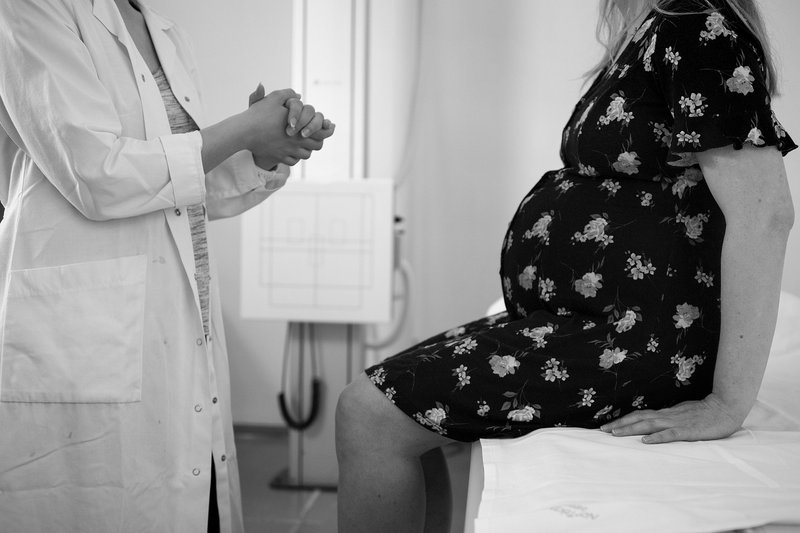
Representative image: StockSnap / Pixabay
A University of Maryland study released on 20 November 2026 finds 28.8% of new mothers need mental health care and about a third of them go without it.
Postpartum Mental Health: what happened
More than one in four new mothers say they need postpartum mental health care, and about a third of those who need it do not get it, according to a study by University of Maryland researchers published in the journal Women's Health Issues and announced on Friday, 20 November 2026. The study found that the biggest obstacles were practical ones, not stigma alone: not having time, being unable to get leave from work, the cost of childcare and not knowing where to go for help.
Postpartum Mental Health: key facts
- Data: the 2022 Pregnancy Risk Assessment Monitoring System (PRAMS), a US survey of women who recently gave birth, covering 13,432 respondents in 16 US states.
- Need: 28.8% of respondents said they needed mental health care after giving birth.
- Gap: about one-third of those who needed care did not receive it.
- Barriers among those in need: logistical problems such as lack of time (75.1%), concerns about treatment (37.9%) and financial concerns (34.8%).
- Lead author: Rebecca Gourevitch, assistant professor of health policy and management at the University of Maryland School of Public Health; senior author Marie E. Thoma.
- Recommendations from the authors: paid family leave, paid sick leave, affordable childcare and telemedicine options.
Postpartum Mental Health: why it matters
Most estimates of mental health problems after childbirth count women who have been screened or diagnosed. This study asked women directly whether they felt they needed help. "We found that the percent of women who say they need mental health care is higher than most estimates of mood and anxiety disorders in women after giving birth," Gourevitch said. The authors argue that asking women about their needs, rather than relying on screening or diagnosis alone, shows a larger group in need than earlier counts captured.
The most useful finding for families is about why care is missed. Three in four women who needed help cited logistical barriers, such as having no time. The authors link this to economic and structural issues such as getting time off work and paying for childcare. Concerns about the treatment itself and about cost came well behind. In other words, many women know they need help but cannot fit it into their lives.
For women balancing a new baby with work, the study supports a practical approach: telling a doctor, midwife or family member directly that you are struggling, and asking about options that fit around childcare, such as phone or video consultations. Partners and families can make a direct difference by covering childcare or time so that a new mother can attend appointments. The study was carried out in the United States, but the barriers it describes, time, money, childcare and information, are familiar in Indian households too. In India, anyone who needs help can call the government's Tele-MANAS mental health helpline on 14416.
Peepals calculation: Applied as a rough count to the 13,432 respondents, 28.8% is about 3,870 women reporting a need for care (13,432 × 0.288 ≈ 3,868), and a third of them, about 1,290, would have gone without it. Among those in need, logistical barriers (75.1%) were cited about twice as often as financial ones (34.8%), since 75.1 ÷ 34.8 ≈ 2.2. Our calculation from the reported figures; the survey's own estimates are weighted, so these counts are approximate.
| Barrier reported by women needing care | Share |
|---|---|
| Logistical, such as lack of time | 75.1% |
| Concerns about treatment | 37.9% |
| Financial | 34.8% |
Postpartum Mental Health: impact
Short-term: The study gives health services a simple tool, asking new mothers directly about their needs, that can find women missed by standard screening.
Long-term: If policymakers act on the findings, support such as paid leave, paid sick leave, affordable childcare and telemedicine could make postpartum mental health care easier to reach, as the authors argue.
Who is affected: New mothers and their families, obstetricians, midwives and primary-care doctors, employers who set leave policies, and health systems designing maternal care.
Postpartum Mental Health: key takeaway
If you are a new mother who feels you need help, say so directly to your doctor and ask for options such as phone or video visits that fit around childcare; in India, Tele-MANAS is on 14416.
Postpartum Mental Health: questions and answers
How many postpartum women need mental health care, according to the new study?
28.8% of 13,432 women surveyed in 16 US states in 2022 said they needed mental health care after giving birth, and about a third of them did not get it.
What stops new mothers from getting postpartum mental health care?
Mostly practical problems. Among women who needed care, 75.1% cited logistical barriers such as lack of time, 37.9% had concerns about treatment and 34.8% cited cost.
Who carried out the study?
Researchers at the University of Maryland School of Public Health, led by Rebecca Gourevitch with senior author Marie E. Thoma, published in Women's Health Issues.
What do the researchers recommend?
Paid family leave, paid sick leave, affordable childcare and telemedicine, so that mothers can fit mental health care around a newborn and work.
Disclaimer: Prepared by the Peepals newsroom from publicly available sources with AI assistance. Information is accurate to the best of our knowledge at the time of publication and may change. Images may be representative. Not professional advice. Report an error via our contact page.
By Vikram Joshi, Life Balance CorrespondentCovers Life Balance and more for Peepals Shakti. All stories by Vikram Joshi
Laxmi Singh: Noida's top cop is India's longest-serving woman commissioner
Australia home birth insurance rule: rallies at 26 sites as exemption ends
Your week ahead, every Sunday. Free.
Exam and result dates, IPOs opening, scheme deadlines, government holidays and the RBI decision for the next 7 days, plus the week's top stories. One email a week, unsubscribe in one click.
Vikram Joshi is a pen name of the Peepals Global Editorial Team, which researches, fact-checks and publishes every story. The portrait is an illustration.
Responsible for this story: the Peepals Global Editorial Team, led by editor Prashant Sonar. How we report