
Dowry harassment: inability to pay does not discredit women's complaints, SC says
 By Priya NairStaff Writer, Peepals Shakti
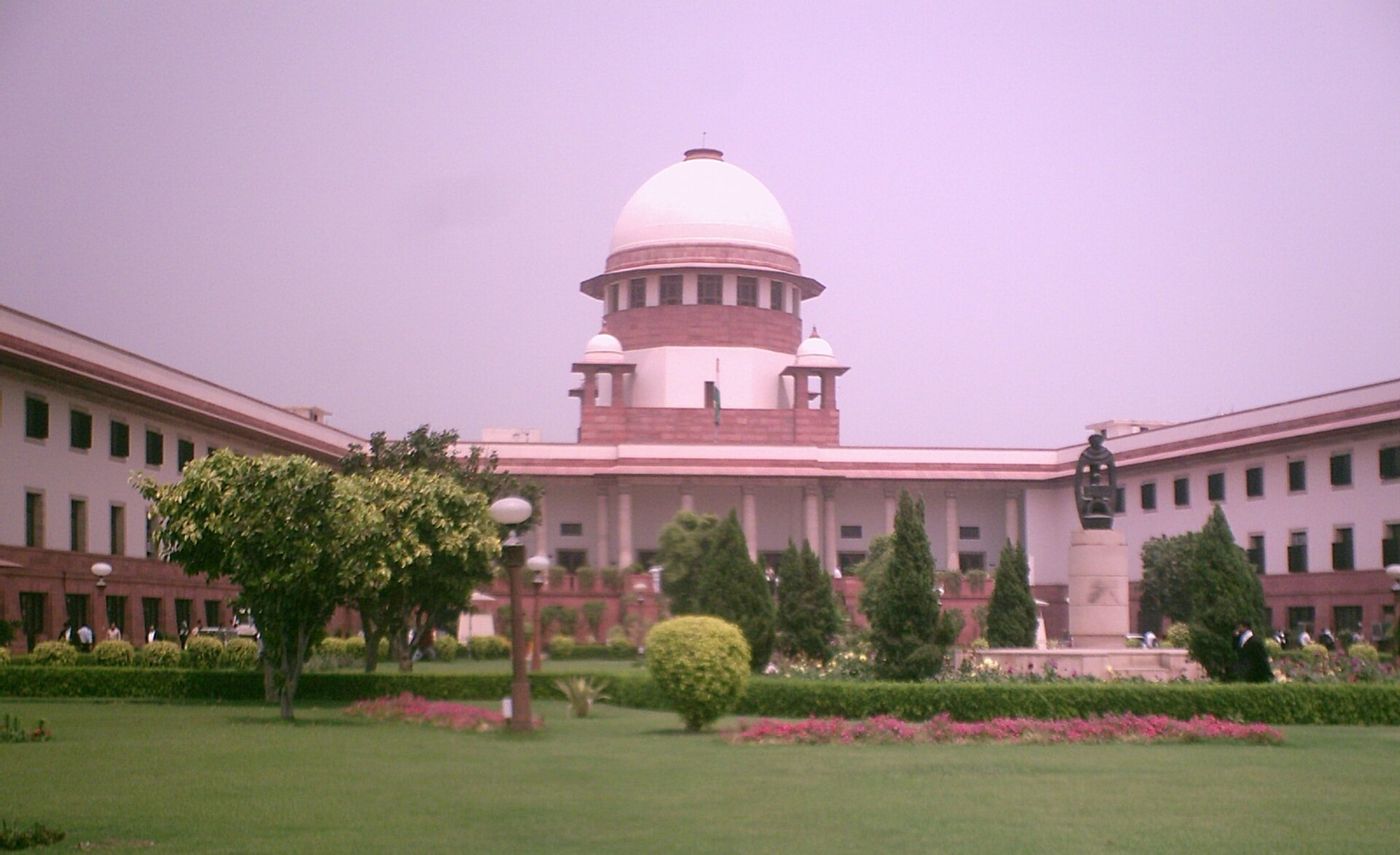
File photo: Legaleagle86 at English Wikipedia. (CC BY-SA 3.0), via Wikimedia Commons
The Supreme Court says a woman's family being unable to afford dowry does not by itself make a harassment complaint untrue, while upholding an acquittal.
Dowry Harassment: what happened
The Supreme Court has held that a bride's family being unable to afford a dowry does not, by itself, make their complaint of dowry harassment untrue. A bench of Justices Manoj Misra and Vijay Bishnoi said such a lack of means is only one circumstance to be weighed with the rest of the evidence, in a judgment made public in the last week of November 2026. In the same case, the court dismissed an appeal by the woman's family and left in place the acquittal of her husband and his relatives on charges of dowry death and cruelty.
Dowry Harassment: key facts
- The bench of Justices Manoj Misra and Vijay Bishnoi ruled that a family's financial inability to pay dowry does not on its own discredit allegations of dowry harassment.
- That inability can still be taken into account, together with other evidence, when a court decides whether a dowry demand and the harassment that followed have been proved.
- The case came from Delhi, where a trial court acquitted the husband and his family of dowry death and cruelty charges.
- The Delhi High Court later dismissed the complainant's revision petition against that acquittal.
- The Supreme Court found nothing perverse in the trial court's view that the evidence of a dowry demand was unreliable, and dismissed the appeal.
- It also agreed that the basic facts needed to raise the legal presumption of dowry death under Section 113B of the Indian Evidence Act had not been shown.
Dowry Harassment: why it matters
Dowry cases often turn on one question: did the husband's family actually demand money or goods? Defence lawyers sometimes argue that the bride's parents were too poor to pay any dowry, so a demand could never have been made or met, and the complaint must be invented. The Supreme Court's ruling closes off that shortcut. A court cannot throw out a harassment complaint simply because the woman's family had little money; a demand can be made whether or not the family is able to meet it.
At the same time, the judgment does not make lack of means irrelevant. The court said it is one fact among many. Judges can still consider whether a claimed payment or demand fits what the family could realistically have arranged, but only alongside witness accounts, documents and the conduct of the people involved.
The outcome of this particular case shows the other side of the law. The legal presumption of dowry death under Section 113B works only when the prosecution first proves certain basic facts, including cruelty or harassment linked to a dowry demand. Where those facts are not proved, the presumption does not arise, and the burden does not shift to the accused. Here, the trial court found the evidence of a demand unreliable, the higher courts saw nothing perverse in that view, and the acquittal stood.
For women and their families, the lesson is practical. The principle that poverty does not disprove a complaint helps them, but the case also shows that a dowry complaint is won or lost on evidence: who asked for what, when, in front of whom, and what records exist.
Peepals timeline: The case moved through three courts. A trial court in Delhi first acquitted the husband and his relatives of dowry death and cruelty. The woman's family then asked the Delhi High Court to revise that verdict, and the High Court dismissed the petition. The family's appeal to the Supreme Court was dismissed in the last week of November 2026, with the bench using the case to set out the rule that inability to pay dowry is relevant but not decisive.
| Court | What it decided |
|---|---|
| Trial court, Delhi | Acquitted the husband and his family of dowry death and cruelty |
| Delhi High Court | Dismissed the family's revision petition |
| Supreme Court | Dismissed the appeal; said inability to pay dowry does not by itself discredit a harassment complaint |
Dowry Harassment: impact
Short-term: Trial courts and High Courts hearing dowry harassment and dowry death cases now have a clear statement from the Supreme Court that a family's lack of money cannot be used, on its own, to reject a complaint.
Long-term: The ruling may shape how defence arguments are framed in dowry cases, moving the focus from the bride's family's finances to the actual evidence of demands and harassment.
Who is affected: Women facing dowry demands and their families, especially poorer families; police officers who record dowry complaints; prosecutors and defence lawyers; and trial judges deciding these cases.
Dowry Harassment: key takeaway
Families pursuing a dowry complaint should keep careful records of every demand, payment and witness, because courts will look at that evidence rather than at whether the family could afford to pay.
Dowry Harassment: questions and answers
Can a court reject a dowry harassment complaint because the woman's family was poor?
Not on that ground alone. The Supreme Court bench of Justices Manoj Misra and Vijay Bishnoi said a family's inability to pay dowry does not by itself discredit the complaint, though it can be considered with other evidence.
Did the woman's family win this case?
No. The Supreme Court dismissed their appeal and left in place the acquittal of the husband and his family, agreeing with the lower courts that the evidence of a dowry demand was unreliable.
What is the Section 113B presumption?
It is a rule in the Indian Evidence Act that lets a court presume dowry death once the prosecution has proved certain basic facts, including dowry-related cruelty or harassment. In this case the court held those basic facts were not established, so the presumption never applied.
Which courts heard the case before the Supreme Court?
A trial court in Delhi, which acquitted the accused, and the Delhi High Court, which dismissed the family's petition to revise that verdict.
Disclaimer: Prepared by the Peepals newsroom from publicly available sources with AI assistance. Information is accurate to the best of our knowledge at the time of publication and may change. Images may be representative. Not professional advice. Report an error via our contact page.
By Priya Nair, Staff WriterCovers Leadership & Growth and more for Peepals Shakti. All stories by Priya Nair
PCOS after menopause: experts say women's PMOS risks need lifelong checks
Indian Naval Academy: 69 women among 427 trainees pass out at Ezhimala
Your week ahead, every Sunday. Free.
Exam and result dates, IPOs opening, scheme deadlines, government holidays and the RBI decision for the next 7 days, plus the week's top stories. One email a week, unsubscribe in one click.
Priya Nair is a pen name of the Peepals Global Editorial Team, which researches, fact-checks and publishes every story. The portrait is an illustration.
Responsible for this story: the Peepals Global Editorial Team. How we report