
England's A&Es to use early warning scores to spot children getting sicker
 By Simran KaurFashion Writer, Peepals Shakti
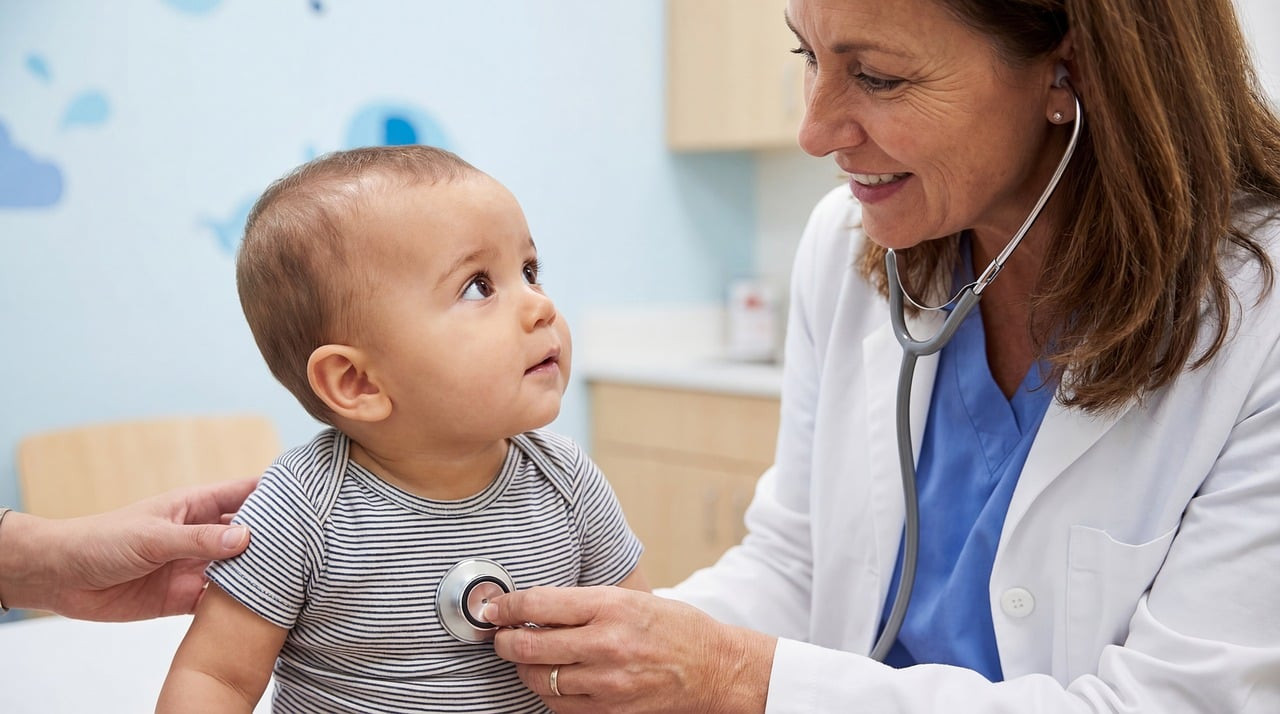
Representative image: TungArt7 / Pixabay
NHS England said on 2 November 2026 that a paediatric early warning system will be rolled out in A&E departments this winter, the world's largest standardised scheme of its kind.
What Happened
NHS England announced on Monday, 2 November 2026, that a paediatric early warning system, a standard way of scoring how ill a child is, will be rolled out in accident and emergency (A&E) departments across England this winter. The system asks staff to check, record and grade a child's vital signs, such as heart rate, blood pressure and oxygen levels, so that a child who is getting worse quickly is spotted and treated sooner. NHS England says it will be the largest standardised scoring system of its kind in the world.
Key Facts
- The system is known as PEWS, short for paediatric early warning system.
- It is aimed at the roughly six million children who attend A&E in England each year.
- It has been developed by NHS England with the Royal College of Paediatrics and Child Health and the Royal College of Nursing.
- PEWS is already used for children admitted to hospital wards; this is the first time it will be used in A&E.
- A similar national early warning score is already used for adults.
- The Royal College of Nursing said the system will only work if there are enough nurses with the time, training and support to use it.
Why It Matters
Every parent who has taken a feverish child to a crowded emergency department knows the fear: what if the child gets worse while waiting? Children can seem fairly well and then deteriorate fast, especially with infections such as sepsis, the body's extreme reaction to an infection. A scoring system gives staff a common way to read the warning signs, so that a rising score triggers a faster review rather than depending on one person's judgement at a busy moment.
When the system was introduced for hospital wards in 2023, NHS England built in an important role for families. Under that approach, if a parent or carer says their child is getting sicker than the score suggests, care is escalated immediately, whatever the observations show. At the time, NHS England's national medical director, Professor Sir Stephen Powis, said that "nobody can spot the signs of a child getting sicker better than their parents". Extending a standard system into A&E brings that structure to the place where many seriously ill children are first seen.
The nurses' warning is a reminder that tools are only as good as the people using them. Recording observations more often takes time, and emergency departments are under heavy pressure in winter. Without enough staff, scores may be recorded late or acted on slowly.
There is a lesson here for families everywhere, including in India. Parents know their children best. If a child's breathing, colour, alertness or behaviour seems to be getting worse, it is right to tell staff clearly and ask for a review.
| Item | Detail |
|---|---|
| System | Paediatric early warning system (PEWS) |
| Where | A&E departments across England |
| When | From this winter |
| Children covered | About six million A&E attendances a year |
| Partners | NHS England, RCPCH, Royal College of Nursing |
Impact
Short-term: Staff in A&E departments will begin recording and scoring children's vital signs in a standard way, with training needed before and during the winter rollout.
Long-term: A single national system should make it easier to compare care between hospitals and to learn from cases where children's illness was missed. Its real benefit will depend on staffing and on whether rising scores lead to faster action.
Who is affected: Children and their parents using emergency departments in England; A&E nurses and doctors; and health systems in other countries that may look at England's results.
Key Takeaway
England is bringing a standard early warning score for sick children into A&E this winter, but nurses say it will only save lives if departments have enough staff to use it properly.
Questions and Answers
What is the paediatric early warning system in A&E?
It is a standard scoring system in which staff check, record and grade a child's vital signs, such as heart rate, blood pressure and oxygen levels, to spot children whose health is getting worse quickly. NHS England announced on 2 November 2026 that it will be used in A&Es across England this winter.
How many children will it cover?
It is aimed at the roughly six million children who attend A&E in England each year.
Is this the first time PEWS is being used?
No. It is already used for children admitted to hospital wards, but this is the first time it will be used in A&E departments.
What role do parents have?
Under the approach NHS England set out when the ward system began in 2023, a parent's concern that their child is getting sicker triggers escalation of care even if the score looks normal.
Disclaimer: Prepared by the Peepals newsroom from publicly available sources with AI assistance. Information is accurate to the best of our knowledge at the time of publication and may change. Images may be representative. Not professional advice. Report an error via our contact page.
By Simran Kaur, Fashion WriterCovers Fashion and more for Peepals Shakti. All stories by Simran Kaur
Elena Rybakina secures year-end No. 1, a first for Kazakhstan
One in four parents misstate a child's symptoms to get antibiotics, study finds
Get the day's stories in your inbox
Peepals Weekly: the week decoded, free. One email a week, unsubscribe in one click.
Simran Kaur is a pen name of the Peepals Global Editorial Team, which researches, fact-checks and publishes every story. The portrait is an illustration.