
Married daughters get share in father's state-granted land: Karnataka HC
 By Priya NairLeadership & Growth Editor, Peepals Shakti

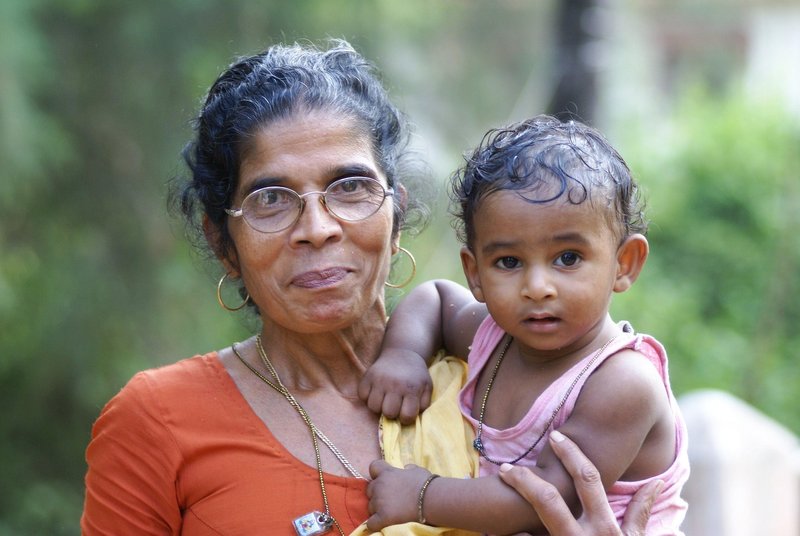
Representative image: sergeitokmakov / Pixabay
The Karnataka High Court has held that married daughters can inherit father's land granted under land reforms if it is joint property, dismissing brothers' appeal.
What Happened
The Karnataka High Court has ruled that married daughters are entitled to a share in land that the government granted to their father under the Karnataka Land Reforms Act, once the land is shown to be joint family property. Justice B. Muralidhara Pai, dismissed an appeal by the daughters' brothers, who had argued that land allotted to their father by the state could not pass to their married sisters, according to reports of the judgment published from 1 November 2026. The decision leaves in place the lower courts' award of a one-seventh share to each sister.
Key Facts
- Court: Karnataka High Court; judge: Justice B. Muralidhara Pai; reported from 1 November 2026.
- Dispute: brothers argued that land allotted to their father by the government could not be inherited by their married sisters.
- Outcome: the brothers' appeal was dismissed, and the sisters' right to a share was upheld.
- Shares: the trial court gave each sister a one-seventh share, which the first appellate court confirmed; the sisters had asked for one-fifth.
- Condition: according to the reports, a married daughter's claim depends on the land being proved to be joint family property.
- Legal basis: the court treated the Hindu Succession Act, 1956, as the law that decides who inherits, ahead of the Karnataka Land Reforms Act, 1961.
- Precedent relied on: an earlier ruling of the same court in 2025, which held that a married daughter also shares in land granted by a land tribunal.
Why It Matters
Under Karnataka's land reforms law, land tribunals granted land to tenants who cultivated it, and that land has since passed down within families. The brothers in this case argued that land coming from such a state grant could not go to their married sisters. The High Court's answer is that marriage does not end a daughter's right to inherit such land, as long as it is shown to be joint family property.
The legal question was which law decides inheritance. The Karnataka Land Reforms Act governs how land was granted to tenants. The Hindu Succession Act governs who inherits property in Hindu families, and it has given daughters equal rights with sons in joint family property. According to the reports, the court held that the land reforms law does not decide succession, and that the Hindu Succession Act does. That matters because an older decision of the same court, Nimbavva v. Channaveerayya, had taken a narrower view and held that married daughters were not counted as family members who could inherit tenanted land. The latest judgment instead follows the court's 2025 ruling that married daughters share in land granted by a land tribunal.
For families, the ruling fits the idea of family as a partnership of equal heirs. Under this judgment, brothers cannot rely on the source of the land, a grant from the state, to keep it within the male line. At the same time, the condition matters: the land must be proved to be joint family property, which is a question of evidence in each case.
Peepals calculation: a one-seventh share is about 14.3% of the land (1 ÷ 7 ≈ 0.143), while the one-fifth the sisters had asked for would have been 20% (1 ÷ 5 = 0.20), so each sister's awarded share is about 5.7 percentage points smaller than her claim. Our calculation from the reported figures.
| Point | Detail |
|---|---|
| Court | Karnataka High Court |
| Judge | Justice B. Muralidhara Pai |
| Land | Granted to the father under the Karnataka Land Reforms Act |
| Share per sister | One-seventh (claimed one-fifth) |
| Key condition | Land must be proved to be joint family property |
Impact
Short-term: The sisters in this case keep the one-seventh shares awarded by the lower courts, and the brothers' challenge ends at this stage in the High Court.
Long-term: The ruling adds to a line of Karnataka High Court decisions that treat married daughters as heirs to land granted under the land reforms law, which may guide trial courts hearing similar partition suits across the state.
Who is affected: Married daughters in families holding land granted under Karnataka's land reforms, their brothers and other heirs, and trial courts and lawyers handling partition cases in the state.
Key Takeaway
The Karnataka High Court has held that married daughters can inherit a share of land the government granted to their father under the land reforms law, provided it is proved to be joint family property.
Questions and Answers
Can married daughters claim a share in their father's government-granted land in Karnataka?
According to this Karnataka High Court ruling, yes, if the land is proved to be joint family property. The court held that the Hindu Succession Act decides inheritance, not the Karnataka Land Reforms Act.
What share did the sisters get in this case?
The trial court gave each sister a one-seventh share, which the first appellate court confirmed. The High Court dismissed the brothers' appeal against it. The sisters had asked for one-fifth.
Who decided the case?
Justice B. Muralidhara Pai of the Karnataka High Court. Reports of the judgment were published from 1 November 2026.
Does this ruling cover every piece of land granted under land reforms?
No. The reports say the daughter's claim depends on proving that the land is joint family property, which each court must decide on the evidence. This article is not legal advice.
Disclaimer: Prepared by the Peepals newsroom from publicly available sources with AI assistance. Information is accurate to the best of our knowledge at the time of publication and may change. Images may be representative. Not professional advice. Report an error via our contact page.
By Priya Nair, Leadership & Growth EditorCovers Leadership & Growth and more for Peepals Shakti. All stories by Priya Nair
Modern menopause hormone therapy not linked to heart risk, Israeli study finds
Women GPs report 65% burnout against 53% for men: Australian survey
Get the day's stories in your inbox
Peepals Weekly: the week decoded, free. One email a week, unsubscribe in one click.
Priya Nair is a pen name of the Peepals Global Editorial Team, which researches, fact-checks and publishes every story. The portrait is an illustration.