
Women GPs report 65% burnout against 53% for men: Australian survey
 By Vikram JoshiLife Balance Correspondent, Peepals Shakti

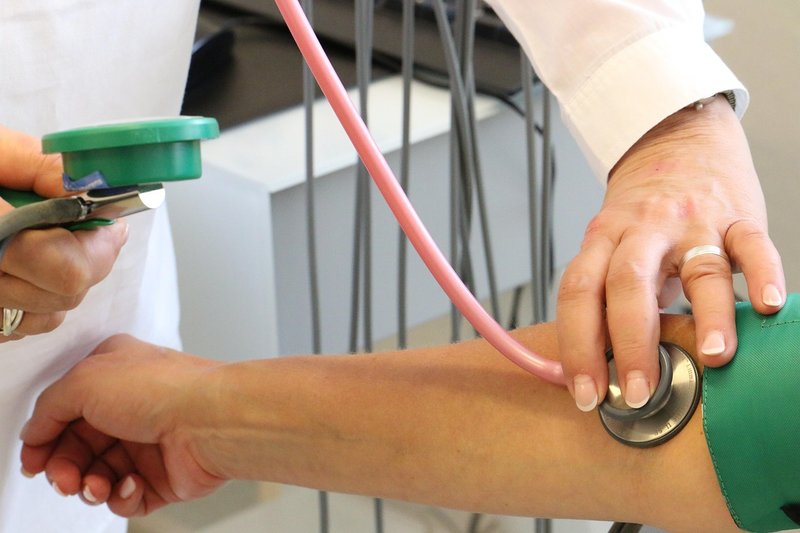
Representative image: Feygrace / Pixabay
Australia's RACGP Health of the Nation 2026 report, out in late October, finds 65% of women GPs felt burnout, against 53% of men.
What Happened
Women working as family doctors in Australia now report more burnout and a worse work-life balance than their male colleagues, according to the Royal Australian College of General Practitioners' 2026 Health of the Nation report, released in late October 2026 and reported on 31 October. The college's yearly survey found that 65% of female general practitioners (GPs) felt burnt out in the previous 12 months, against 53% of male GPs, and that for the first time since the survey began, women in general practice are less satisfied with their jobs than men.
Key Facts
- The report is the college's annual review of general practice, based on a nationwide survey that coverage puts at more than 2,700 GPs, the largest response to date.
- 65% of female GPs reported feelings of burnout in the past 12 months, compared with 53% of male GPs.
- Burnout across all GPs has been easing since it was first measured in 2022, but still affected 60% of GPs over the past year.
- 55% of female GPs reported a good work-life balance in 2026, against 57% of male GPs. A year earlier the order was reversed: 48% of women and 45% of men.
- Female GPs spend an average of 21 minutes per consultation, compared with 18 minutes for male GPs. The average across all GPs is 19.8 minutes, up from 17.7 minutes in 2022.
- The college cited a separate Ochre Health analysis finding that male GPs earn 6.5% more per consulting hour than female GPs.
- RACGP President Dr Michael Wright said Australia's public health insurance system, Medicare, "has not kept pace with the reality of modern general practice".
Why It Matters
When family doctors say they are more tired and less satisfied than colleagues, it is a warning about how long they can keep working at that pace. Burnout, as used in these surveys, is a self-reported state of emotional and physical exhaustion linked to work; it is not a medical diagnosis, and the report measures how many doctors say they felt it, not how severe it was.
The report links the gap to the way consultations are paid for. Australia's Medicare pays GPs largely per visit, with fees that rise in steps by the length of the appointment. The college's case is that female GPs tend to see patients with more complex needs and spend longer with them, while the payment system rewards a higher number of shorter visits. Dr Wright described the findings as evidence of ongoing gender bias in how primary health care is funded and delivered. The Ochre Health analysis, which looked at real billing records, attributed most of the earnings gap to male doctors fitting in slightly more appointments each hour. Both agree a gap exists.
For women balancing a demanding career with caring work at home, the numbers echo a familiar pattern. The 2026 figures show work-life balance improving for both men and women compared with 2025, but improving faster for men, so women have moved from slightly ahead to slightly behind. That shift matters because job satisfaction among female GPs has now fallen below that of male GPs for the first time in the survey's history.
Peepals calculation: Female GPs' burnout rate is about 23% higher than male GPs' in relative terms (65 ÷ 53 ≈ 1.23), a gap of 12 percentage points. On work-life balance, women gained 7 points in a year (48% to 55%) while men gained 12 points (45% to 57%), so the men's improvement was about 1.7 times larger (12 ÷ 7 ≈ 1.71). Women's average consultation is about 17% longer than men's (21 ÷ 18 ≈ 1.17). Our calculation from the reported figures.
| Measure | Female GPs | Male GPs |
|---|---|---|
| Felt burnout in past 12 months (2026) | 65% | 53% |
| Good work-life balance (2026) | 55% | 57% |
| Good work-life balance (2025) | 48% | 45% |
| Average consultation length | 21 minutes | 18 minutes |
Impact
Short-term: The figures add pressure on Australia's government and Medicare to look again at how longer consultations are paid for.
Long-term: If the gap persists, health systems risk losing experienced women doctors to reduced hours or early exit, at a time when patient needs are becoming more complex. Seventy-two per cent of GPs in the survey named rising patient complexity as a major issue.
Who is affected: Women working in general practice in Australia, their patients, especially those with long-term or complex conditions who tend to need longer appointments, and practices trying to keep doctors from leaving.
Key Takeaway
Australia's 2026 GP survey shows women doctors reporting 65% burnout against 53% for men, and falling behind men on work-life balance and job satisfaction for the first time.
Questions and Answers
What did the RACGP Health of the Nation 2026 report find about women GPs?
It found that 65% of female GPs in Australia felt burnt out in the past year, compared with 53% of male GPs, that women now report a slightly worse work-life balance than men (55% against 57%), and that their job satisfaction is lower than men's for the first time since the survey began.
Why does the report say women GPs are under more strain?
The college links the gap to workload and payment. Female GPs spend an average of 21 minutes per consultation against 18 for men, and the college argues that Medicare's per-visit fees reward shorter, more frequent visits rather than the longer, complex consultations women more often provide.
Is there a pay gap between male and female GPs in Australia?
Yes. The college cited an Ochre Health analysis of billing records that found male GPs earn 6.5% more per consulting hour than female GPs. That analysis put most of the difference down to men seeing slightly more patients each hour.
Is burnout getting worse for GPs overall?
No. Burnout across all GPs has been falling slowly since it was first measured in 2022, but it still affected 60% of GPs in the past 12 months, and women have consistently reported higher rates than men.
Disclaimer: Prepared by the Peepals newsroom from publicly available sources with AI assistance. Information is accurate to the best of our knowledge at the time of publication and may change. Images may be representative. Not professional advice. Report an error via our contact page.
By Vikram Joshi, Life Balance CorrespondentCovers Life Balance and more for Peepals Shakti. All stories by Vikram Joshi
Get the day's stories in your inbox
Peepals Weekly: the week decoded, free. One email a week, unsubscribe in one click.
Vikram Joshi is a pen name of the Peepals Global Editorial Team, which researches, fact-checks and publishes every story. The portrait is an illustration.